
Your Read is on the Way
Every Story Matters
Every Story Matters
The Hydropower Boom in Africa: A Green Energy Revolution Africa is tapping into its immense hydropower potential, ushering in an era of renewable energy. With monumental projects like Ethiopia’s Grand Ethiopian Renaissance Dam (GERD) and the Inga Dams in the Democratic Republic of Congo, the continent is gearing up to address its energy demands sustainably while driving economic growth.
Northern Kenya is a region rich in resources, cultural diversity, and strategic trade potential, yet it remains underutilized in the national development agenda.

Can AI Help cure HIV AIDS in 2025

Why Ruiru is Almost Dominating Thika in 2025

Mathare Exposed! Discover Mathare-Nairobi through an immersive ground and aerial Tour- HD

Bullet Bras Evolution || Where did Bullet Bras go to?
Kenya has long been entangled in a complex housing crisis, one that reflects both a booming urban population and deep socio-economic inequality. Cities like Nairobi, Mombasa, and Kisumu continue to absorb thousands of new residents each month, driven by rural-to-urban migration in search of work and opportunity.
Yet, despite the visible growth of city skylines, the supply of affordable and dignified housing has remained disproportionately low. Most housing developments cater to middle- and high-income earners, while low-income Kenyans are left to grapple with informal settlements, often in poor living conditions and without access to basic infrastructure such as water, sanitation, and electricity.
The result has been a deeply stratified real estate market, where the concept of owning a home is beyond the reach of the average Kenyan. More than half of urban households are renters, and many of them spend over a third of their income on inadequate housing. This growing demand, coupled with minimal supply at affordable levels, presented an unsustainable trajectory. The country needed a bold, inclusive solution—one that would rethink how housing is developed, financed, and distributed. That solution came in the form of Boma Yangu.
Boma Yangu, which translates to “My Home” in Swahili, is a flagship platform under the Kenyan government’s Affordable Housing Programme (AHP), designed to deliver cost-effective housing solutions to citizens across socio-economic tiers, with a strong focus on the low-income bracket. Rather than simply building houses and hoping people can buy them, the initiative is designed as a comprehensive housing ecosystem—one that integrates citizen savings, public policy, urban planning, and private sector investment.
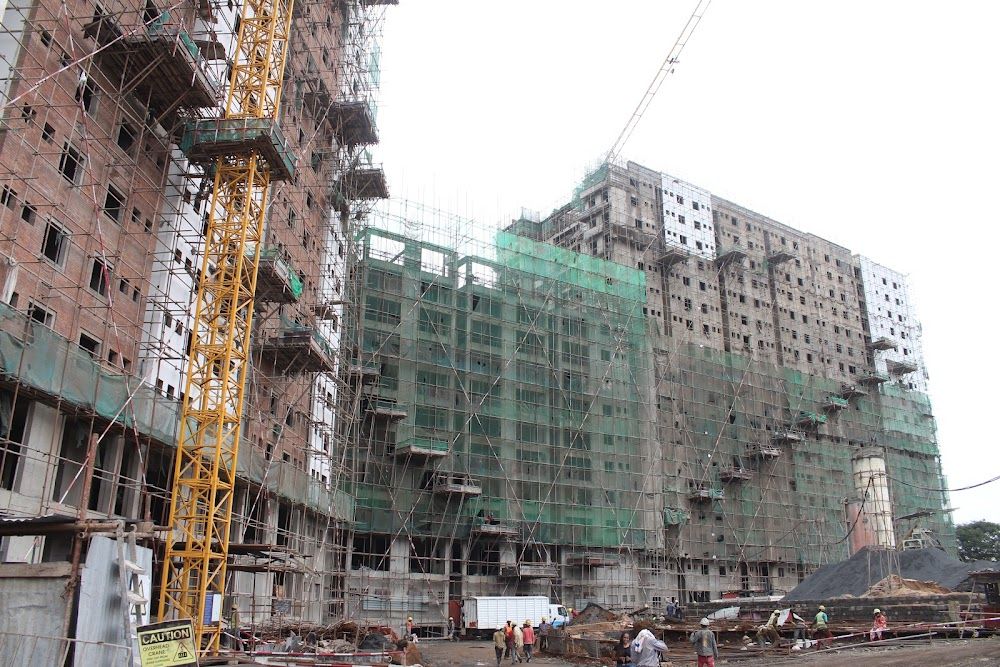
At its core, Boma Yangu is a digital savings and registration portal that allows Kenyans to enroll in the housing program by committing to monthly contributions. These contributions serve as a trackable record of interest, financial discipline, and eligibility for home allocation. More than just a portal, it symbolizes a long-overdue promise to the Kenyan people—that homeownership is no longer a luxury reserved for the wealthy or elite. Through this system, the government envisions transforming housing from a market commodity into a right of citizenship.
The entry requirements for Boma Yangu are deliberately simple, stripping away the barriers that typically shut out low-income earners from the formal housing market. Any Kenyan citizen aged 18 and above with a valid National ID card can sign up. The process is entirely digital, allowing users to create a personal profile on the Boma Yangu website or through designated mobile platforms. Once registered, contributors can choose how much to deposit on a monthly basis—ranging from as little as KES 200 up to KES 2,500—depending on their financial ability.
These contributions accumulate in the applicant’s account and serve two major purposes: first, they are proof of commitment to the program, and second, they count toward the mandatory 12.5% deposit required to secure a housing unit. The idea is to gradually build a deposit over time, instead of demanding lump-sum payments that most citizens simply cannot afford. Once this deposit threshold is reached, the applicant becomes eligible for home allocation—provided units are available in their preferred location and size.
The simplicity of the process is part of its strength. There’s no need for formal employment, bank collateral, or high credit ratings—factors that have historically locked out a majority of Kenyans from accessing mortgages. Boma Yangu reimagines the path to homeownership in a way that aligns with the lived realities of its people.
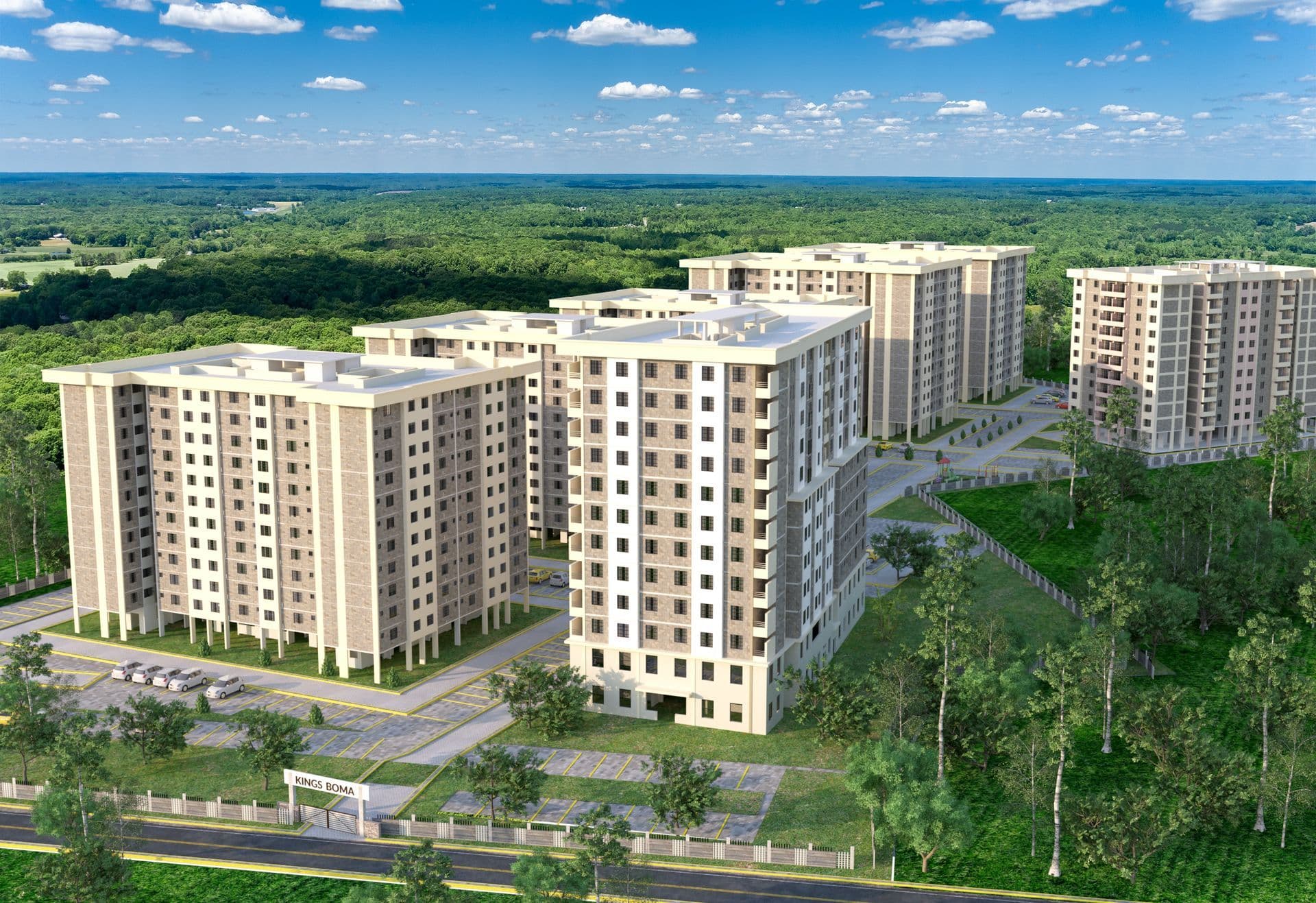
Unlike conventional housing projects that offer luxury apartments or expensive gated estates, Boma Yangu focuses on function, affordability, and scalability. The homes offered under this initiative are practical, structurally sound, and tailored to match the budgets of the target demographic. Prices start as low as KES 1 million for a studio apartment, with one-bedroom, two-bedroom, and three-bedroom options available depending on the project site and demand.
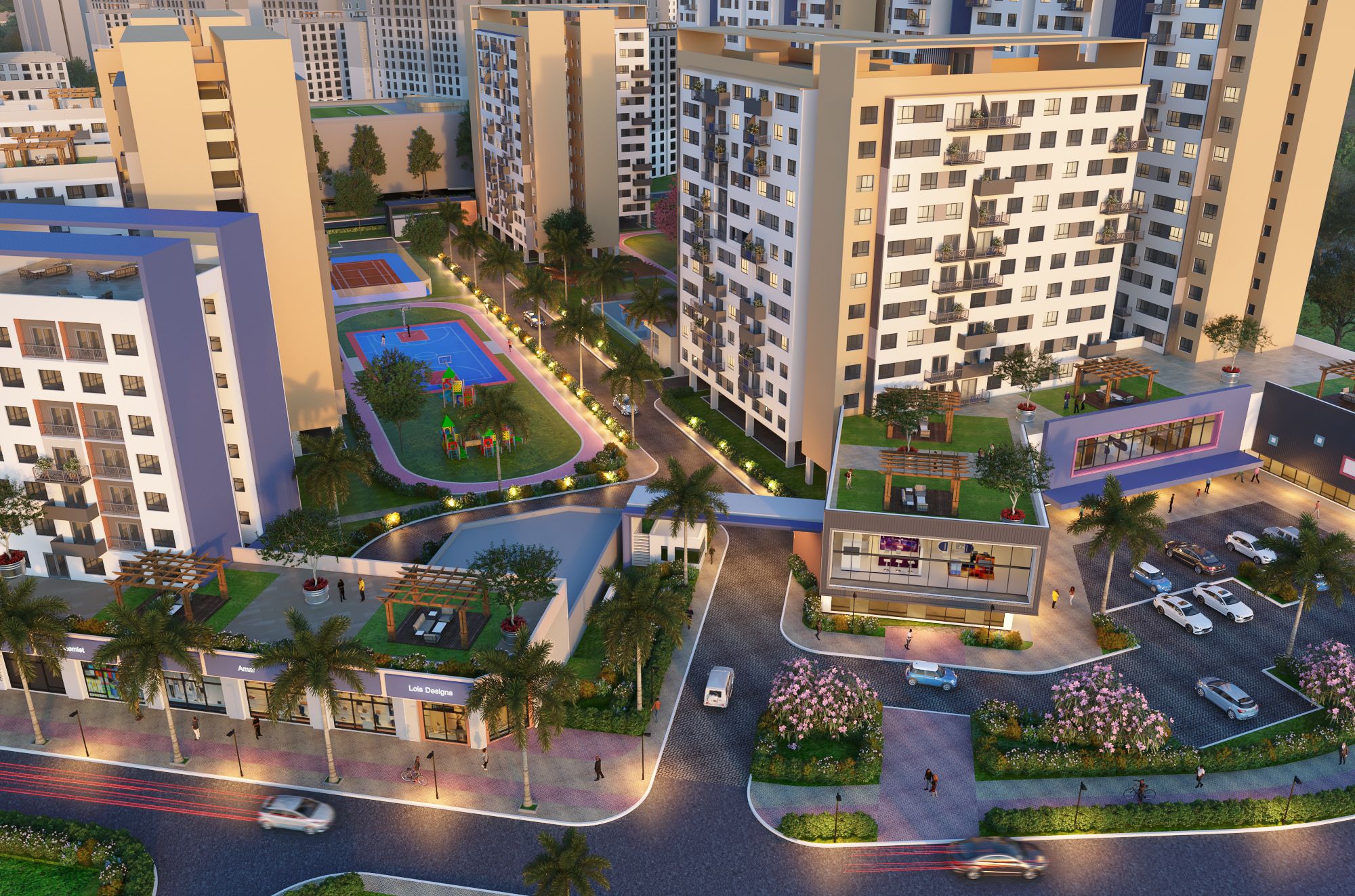
Each housing development is strategically located in areas with existing or upcoming infrastructure, including roads, schools, healthcare, and employment centers. Current and upcoming sites include Nairobi (Park Road, Pangani), Ruiru, Rongai, Athi River, Nakuru, and Mombasa, with more locations planned in the future. These aren’t isolated housing estates in the middle of nowhere—they are planned urban communities designed to integrate seamlessly with Kenya’s broader development vision.
Additionally, the homes are designed with sustainability in mind. Many of the projects incorporate green building principles such as energy-efficient lighting, rainwater harvesting, and waste management systems. This makes Boma Yangu not just a housing plan, but a long-term blueprint for smarter urban living.
One of the most groundbreaking aspects of Boma Yangu is its rent-to-own scheme—a model that replaces the traditional mortgage system, which many Kenyans either can’t access or don’t trust. After reaching the 12.5% deposit threshold, successful applicants are offered a unit and allowed to move in. They then pay monthly installments over a period of up to 25 years, effectively turning what would have been rent into ownership.
This approach breaks the cycle of perpetual renting. It provides stability, dignity, and a sense of long-term security that renting simply cannot offer. By turning regular rental payments into equity, the model creates financial empowerment and encourages generational wealth. It also reduces the risk of displacement or eviction, giving residents a real stake in the community.
Rent-to-own is particularly well-suited to Kenya’s labor market, where many workers operate in the informal sector without fixed salaries or credit history. It’s a system that respects the economic reality on the ground rather than trying to impose foreign lending models that don’t fit.
Funding for Boma Yangu is sourced from a hybrid of public and private capital streams. First, contributors’ monthly savings create a base pool of funds that signals demand and readiness. The government complements this with land grants, infrastructure development, and administrative oversight. Developers—both local and international—are then contracted through public-private partnerships (PPPs) to undertake construction.
The state also provides incentives to participating developers, such as tax breaks and access to government land, to ensure affordability and quality. The idea is to make housing construction commercially viable for developers while keeping end-user prices within reach for low-income earners. This multi-pronged funding mechanism allows the program to scale rapidly without overburdening any single entity.
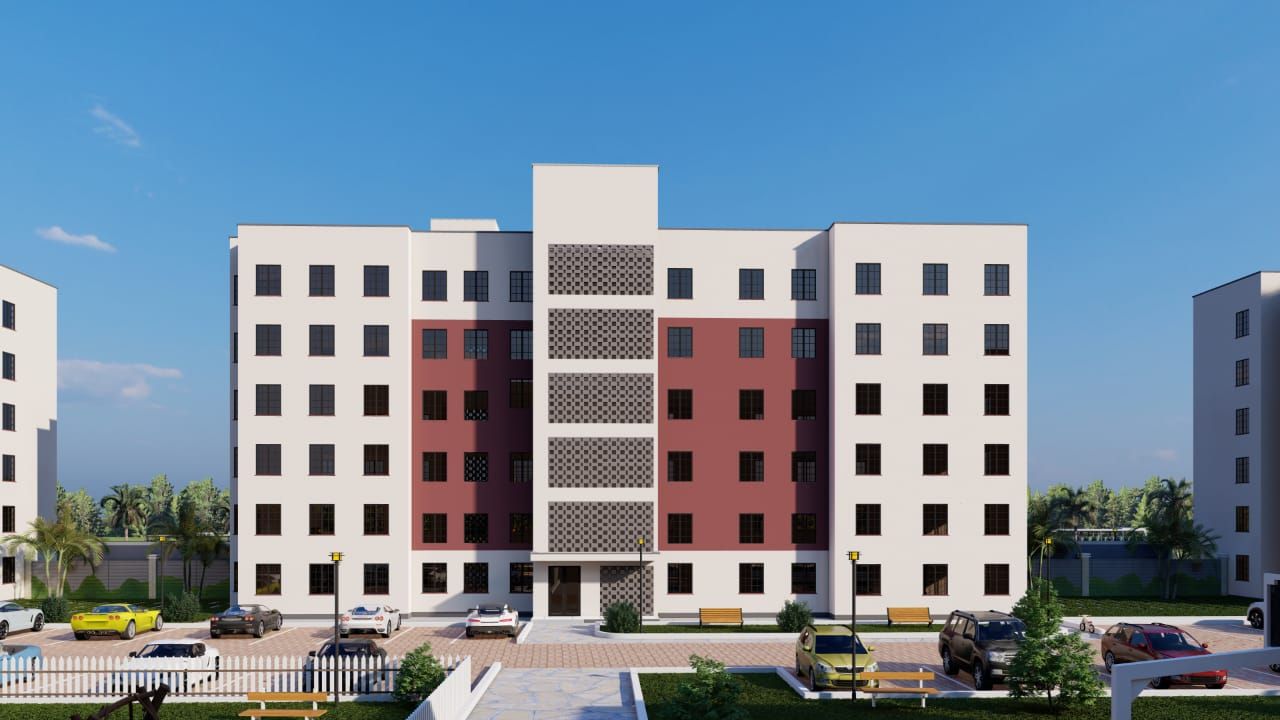
Despite its promise, Boma Yangu has not been immune to criticism. Some stakeholders have voiced concerns over delays in construction, lack of transparency in home allocation, and uncertainties about the timeline for project delivery. Others have questioned whether the initiative truly prioritizes the most vulnerable populations, especially given the first-come, first-served model.
Additionally, there have been challenges related to land disputes, bureaucratic red tape, and changing political winds—all of which can threaten the program’s long-term success. However, the government has made attempts to improve transparency through online dashboards, performance reports, and community engagement.
What’s clear is that while the idea is transformative, execution will determine its legacy.
Boma Yangu is arriving at a critical moment in Kenya’s demographic evolution. By 2050, it’s projected that more than 60 percent of Kenyans will live in urban areas. Without robust, affordable housing systems in place, cities risk becoming unlivable—choked by slums, traffic, and service failures.
This initiative is not just about building homes. It’s about dignity, stability, and opportunity. It’s about rewriting the rules of ownership in a country where owning a home has long been a marker of privilege rather than a basic right. For the first time, low-income earners are being given a stake in the urban future.
As of today, the Boma Yangu platform has registered hundreds of thousands of contributors, signaling massive demand for affordable homes. More projects are planned, and innovations such as digital savings tracking, e-allocation systems, and geotagged site updates are being rolled out.
The future of the program depends on transparency, stakeholder trust, and consistent delivery. If it succeeds, Boma Yangu could serve as a model for affordable housing across Africa and the Global South. If it falters, it risks becoming another stalled dream in a long list of public promises.
For now, though, it remains one of the most ambitious attempts to solve one of the country’s most stubborn problems.





0 comments