
Your Read is on the Way
Every Story Matters
Every Story Matters
The Hydropower Boom in Africa: A Green Energy Revolution Africa is tapping into its immense hydropower potential, ushering in an era of renewable energy. With monumental projects like Ethiopia’s Grand Ethiopian Renaissance Dam (GERD) and the Inga Dams in the Democratic Republic of Congo, the continent is gearing up to address its energy demands sustainably while driving economic growth.
Northern Kenya is a region rich in resources, cultural diversity, and strategic trade potential, yet it remains underutilized in the national development agenda.

Can AI Help cure HIV AIDS in 2025

Why Ruiru is Almost Dominating Thika in 2025

Mathare Exposed! Discover Mathare-Nairobi through an immersive ground and aerial Tour- HD

Bullet Bras Evolution || Where did Bullet Bras go to?
The Mwea Irrigation Scheme is located in Kirinyaga County, within Kenya’s central region. It was established in the 1950s by the colonial administration to settle African farmers and promote irrigated rice farming. Over the decades, it has expanded to cover more than 30,000 acres, making it the largest irrigation scheme in the country.
The scheme is managed by the National Irrigation Authority (NIA). It relies on water drawn from the Thiba and Nyamindi Rivers, distributed through a gravity-fed canal system. The water is used primarily for rice cultivation, with a structured rotational schedule ensuring equitable distribution to all participating farmers.
Rice is the main crop grown in the scheme, particularly the high-quality Pishori (Basmati) variety, which is in high demand locally. Mwea produces more than 80% of Kenya’s domestically grown rice, making it a crucial contributor to national food security. Other crops such as maize, vegetables, and horticultural products are cultivated on a smaller scale, usually outside the core irrigated zones.
Mwea supports the livelihoods of over 7,000 registered farmers, and indirectly benefits thousands more through employment in milling, transport, and retail. The rice economy in Mwea has led to the growth of vibrant market centers, creation of jobs, and investment in rural infrastructure such as schools, clinics, and roads. The income generated from rice farming has also improved household living standards across the region.
To increase efficiency and productivity, Mwea has undergone several modernization efforts. The construction of the Thiba Dam, completed in recent years, was a major milestone that provides reliable water supply and enables double cropping—harvesting rice twice a year. Mechanization, including the use of combine harvesters, planters, and dryers, has also improved post-harvest handling and reduced losses.
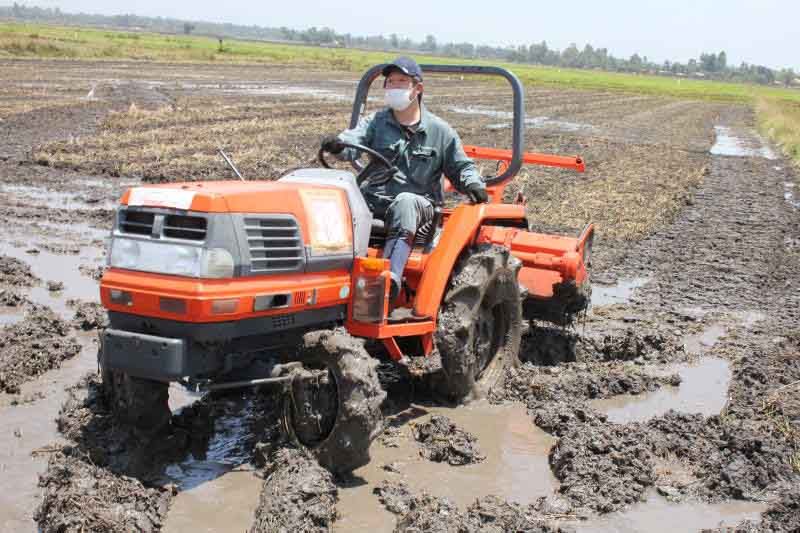
As climate change continues to affect water availability, the scheme is adopting climate-smart irrigation practices such as alternate wetting and drying (AWD) to conserve water while maintaining yields. Farmers are also being trained in sustainable farming techniques to protect soil health and reduce the impact of agrochemicals.
Despite its success, the Mwea scheme faces several obstacles. Water shortages occur during dry spells or due to competing upstream use. Land disputes and illegal encroachment have led to conflict and reduced efficiency.
In addition, parts of the infrastructure—especially older canals and drainage systems—are in need of repair. Market access and price instability remain concerns for smallholder farmers, especially in years of surplus production.
To maintain and expand its impact, Mwea will need continuous investment in water infrastructure, policy support to stabilize rice markets, and strong farmer cooperatives for better bargaining power. The government and private sector are also exploring ways to increase value addition through processing and branding of Kenyan rice for local and export markets.
The Mwea Irrigation Scheme stands as a model of agricultural success and resilience. It contributes significantly to Kenya’s food supply, boosts rural economies, and supports thousands of livelihoods. With further innovation and better management, it can help Kenya achieve its long-term food security goals and reduce reliance on rice imports.






0 comments