
Your Read is on the Way
Every Story Matters
Every Story Matters
The Hydropower Boom in Africa: A Green Energy Revolution Africa is tapping into its immense hydropower potential, ushering in an era of renewable energy. With monumental projects like Ethiopia’s Grand Ethiopian Renaissance Dam (GERD) and the Inga Dams in the Democratic Republic of Congo, the continent is gearing up to address its energy demands sustainably while driving economic growth.
Northern Kenya is a region rich in resources, cultural diversity, and strategic trade potential, yet it remains underutilized in the national development agenda.

Can AI Help cure HIV AIDS in 2025

Why Ruiru is Almost Dominating Thika in 2025

Mathare Exposed! Discover Mathare-Nairobi through an immersive ground and aerial Tour- HD

Bullet Bras Evolution || Where did Bullet Bras go to?
In recent years, marijuana has gone from an illicit drug to a mainstream recreational and medicinal substance. Its growing acceptance in many parts of the world has led to an explosion in its use, especially among younger generations. However, as cannabis continues to be viewed through a lens of harmlessness, an emerging body of research is casting a shadow over its seemingly benign nature. Despite its widespread cultural presence, there’s a creeping reality that needs attention: marijuana use may be linked to long-term cognitive decline, potentially escalating the risk of dementia.
While the risks of smoking marijuana — such as lung damage — have been acknowledged, the broader, more insidious implications for brain health are just beginning to come into focus. This complex relationship between cannabis use and mental health could be one of the most important public health issues of the coming decades. As marijuana becomes a normalized part of society, the question isn’t just about its legality — it’s about its impact on the most valuable asset we have: our minds.
A large-scale study analyzing the medical histories of over six million individuals has exposed a troubling trend: people who sought emergency treatment due to marijuana-related issues were more likely to develop dementia within a five-year period. In fact, the data revealed a startling 23% increase in dementia risk among those who were hospitalized for marijuana-related reasons compared to those admitted for other medical conditions. What’s even more concerning is the 72% higher risk of dementia when compared to the general population. This is not a minor correlation; it’s a glaring signal that marijuana use may have more significant, long-term consequences than previously thought.
The study doesn't definitively prove causality, but the evidence is strong enough to warrant serious concern. If marijuana use is indeed contributing to cognitive decline, this could reshape how we approach public health policies and medical treatment. As more people turn to cannabis for both medicinal and recreational purposes, health experts are beginning to sound the alarm on what might be an invisible health crisis.

Cannabis use disorder (CUD) is an emerging issue in the landscape of marijuana use. Defined as the inability to stop using marijuana despite its negative consequences, CUD is a psychological condition that is often overlooked. Marijuana is often perceived as a "soft" drug, less harmful than alcohol or tobacco, but for a significant portion of the population, it becomes an addictive substance that interferes with daily life. The potency of cannabis has only increased over the years, with modern strains containing significantly higher levels of THC — the primary psychoactive compound — leading to more pronounced psychological effects and a greater potential for addiction.
The increasing prevalence of CUD presents a multifaceted challenge. Not only does addiction itself contribute to deteriorating mental health, but the cognitive impairments associated with heavy use — such as memory lapses, impaired judgment, and difficulty focusing — could compound over time, accelerating cognitive decline and possibly leading to more severe conditions like dementia. It’s estimated that roughly 30% of regular cannabis users may develop some form of addiction, raising an urgent need for preventative strategies and intervention.
One of the most critical concerns about marijuana is its effect on brain health. While it’s true that some individuals use cannabis therapeutically, particularly for pain relief or anxiety, its effects on cognition are far less understood. Regular use of marijuana, especially at high doses or over extended periods, can lead to structural and functional changes in the brain. These changes may not always be immediately noticeable but could have long-term implications for memory, decision-making, and overall cognitive function.
Researchers suggest that marijuana might impair the brain’s ability to form new neural connections, potentially leading to long-term deficits in cognitive abilities. The primary concern is that marijuana affects areas of the brain responsible for learning, memory, and emotional regulation. Chronic use, particularly in younger individuals whose brains are still developing, could result in diminished executive function — the ability to plan, make decisions, and manage time effectively.
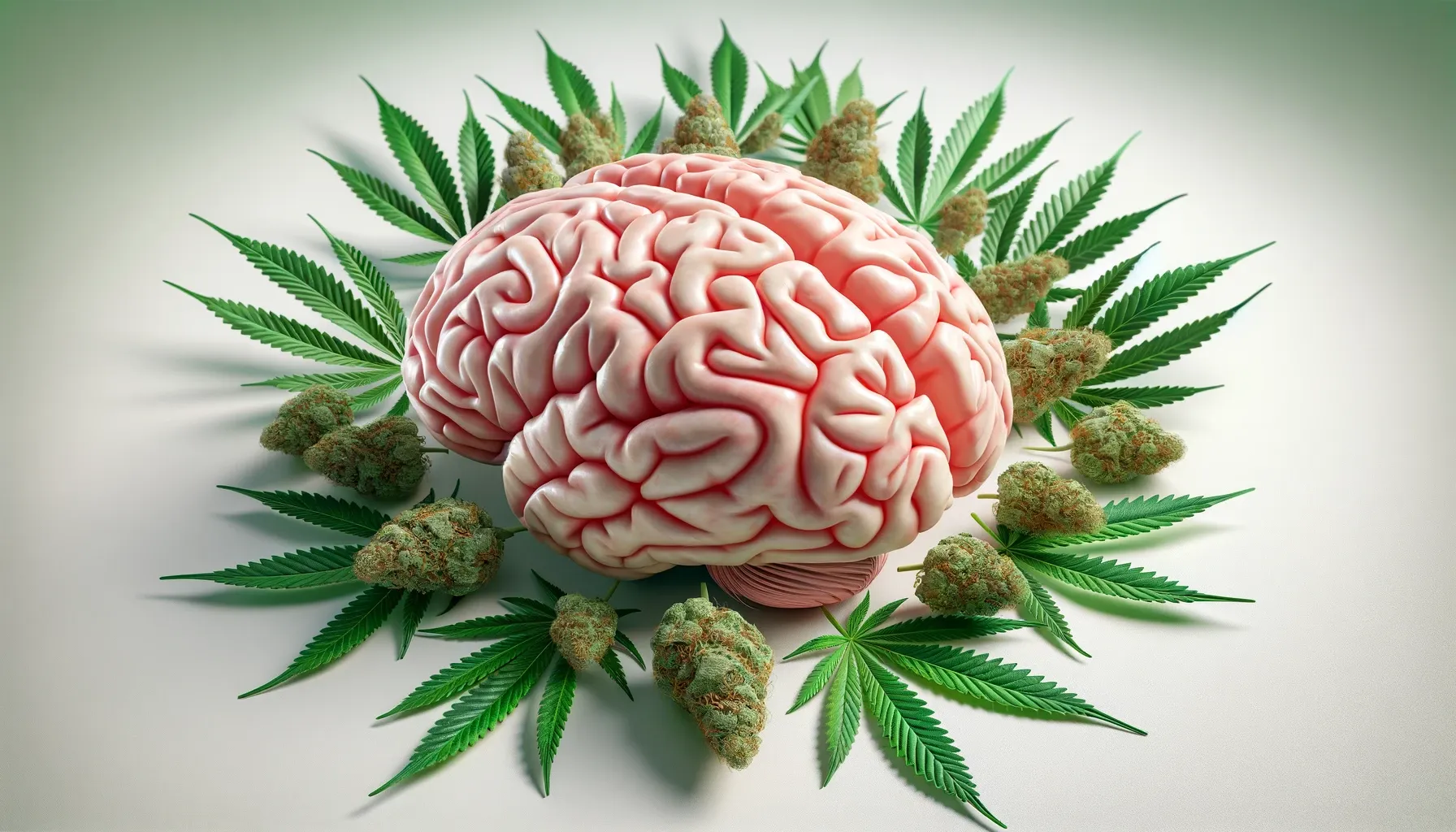
Another theory is that marijuana causes inflammation in the brain, a known factor in the development of cognitive diseases like dementia. Inflammation can interfere with the brain’s ability to function optimally, leading to deterioration over time. This risk is exacerbated by the frequent use of marijuana, which could contribute to a cumulative inflammatory effect on neural pathways.
It’s not just younger generations who are susceptible to marijuana’s cognitive risks. The most alarming statistic to emerge from the study is the sharp rise in marijuana-related hospital visits among older adults. Between 2008 and 2021, ER visits related to marijuana increased fivefold among adults aged 45 to 64, and a staggering 27-fold increase was observed in those aged 65 and older. These numbers are not only shocking but underscore a demographic that may be particularly vulnerable to the cognitive effects of cannabis.
Older individuals often have pre-existing conditions that make their brains more susceptible to cognitive decline, such as vascular damage or reduced neuroplasticity. The added stress of marijuana’s psychological effects could push an already fragile system into rapid decline. This trend highlights an underreported aspect of the marijuana conversation: older adults are not immune to the potential dangers of cannabis, and the impact on their brain health could be profound.
Despite the growing body of evidence suggesting that marijuana may pose cognitive risks, there’s a striking lack of awareness about these dangers. Many users — especially older adults — may not realize that the seemingly harmless use of marijuana could have profound implications for their long-term brain health. This knowledge gap is compounded by the stigma surrounding addiction and substance use disorders, which often prevents open discussions between patients and healthcare providers.
It’s crucial that medical professionals take a proactive approach to discussing marijuana use with their patients. Too often, users believe marijuana is “natural” and harmless, unaware of its potential to alter brain function. Physicians must be equipped to screen for cannabis use disorder and educate their patients about the potential cognitive risks. By fostering an environment of transparency, healthcare providers can better guide individuals toward safer and more informed choices.

The evidence from recent studies should not be ignored. While marijuana use continues to be seen as a cultural norm in many circles, the associated risks — particularly for cognitive decline and dementia — need more scrutiny. The link between marijuana use and brain health should be a priority for both researchers and healthcare providers. It's time for a shift in how we talk about cannabis: moving away from the image of harmless recreational use and towards a more nuanced conversation that includes its potential harms.
We must invest in further research to explore the true relationship between cannabis and brain health. Policymakers should allocate funding for studies focused on the long-term effects of marijuana, particularly on older populations. More importantly, educational campaigns are needed to raise awareness of the risks associated with marijuana use, especially among vulnerable groups.
While marijuana may continue to hold cultural and medicinal appeal, its implications for long-term health — particularly brain health — cannot be brushed aside. The correlation between marijuana use and dementia may still be a hypothesis, but the rising numbers of marijuana-related hospital visits and the growing evidence of its cognitive effects demand a serious reevaluation. As marijuana becomes increasingly embedded in society, it’s crucial to approach its use with a balanced perspective, one that acknowledges both its benefits and its potential costs. Only through education, research, and a willingness to confront uncomfortable truths can we ensure that marijuana use doesn’t come at the expense of our cognitive futures.






0 comments