
Your Read is on the Way
Every Story Matters
Every Story Matters
The Hydropower Boom in Africa: A Green Energy Revolution Africa is tapping into its immense hydropower potential, ushering in an era of renewable energy. With monumental projects like Ethiopia’s Grand Ethiopian Renaissance Dam (GERD) and the Inga Dams in the Democratic Republic of Congo, the continent is gearing up to address its energy demands sustainably while driving economic growth.
Northern Kenya is a region rich in resources, cultural diversity, and strategic trade potential, yet it remains underutilized in the national development agenda.
Can AI Help cure HIV AIDS in 2025

Why Ruiru is Almost Dominating Thika in 2025

Mathare Exposed! Discover Mathare-Nairobi through an immersive ground and aerial Tour- HD

Bullet Bras Evolution || Where did Bullet Bras go to?
In an unexpected turn of events, abrupt policy changes have sparked an unprecedented healthcare crisis, leaving millions vulnerable to life-threatening conditions. The sudden halt in international aid has created a ripple effect across multiple sectors, but the most alarming impact is being felt in healthcare. Critical medication shortages are intensifying, particularly in regions heavily dependent on foreign assistance. With supplies dwindling and no immediate solutions in sight, the crisis is threatening to reverse decades of medical progress and put millions of lives at risk. Without intervention, the consequences could be catastrophic, leading to unnecessary suffering and preventable deaths.
Across several continents, healthcare systems are on the brink of collapse as vital medical supplies dwindle. The sudden freeze of international assistance has paralyzed essential health programs, disrupting the distribution of life-saving treatments for chronic illnesses. The hardest-hit nations include those in Africa, Latin America, and Eastern Europe, where public health infrastructure heavily relies on external funding.
Hospitals and clinics, which once provided consistent care to thousands, are now facing unprecedented shortages of essential medicines, leaving countless patients without the treatment they desperately need. The loss of foreign aid has also crippled community outreach programs, which play a crucial role in early diagnosis and disease prevention. As resources become scarcer, healthcare workers are left to make impossible choices about who receives treatment and who does not.
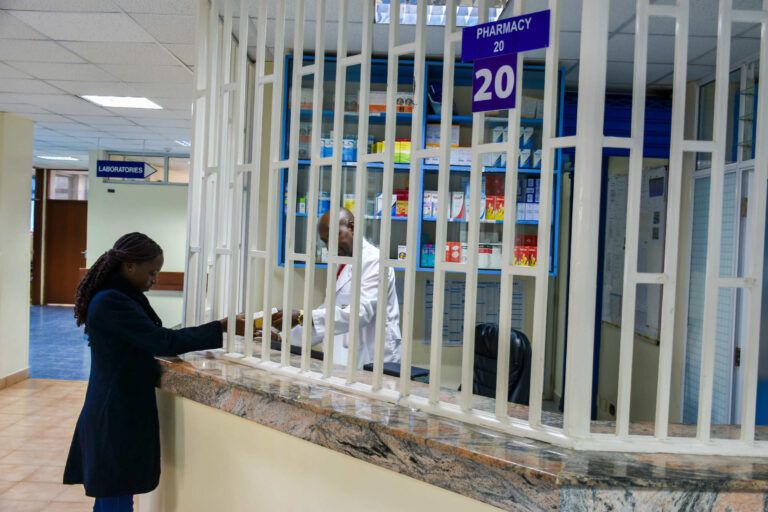
The crisis is not just about medication shortages. Hospitals are reporting increased patient mortality rates, while testing and prevention programs have ground to a halt. Without intervention, the situation threatens to reverse decades of progress in combating infectious diseases. Clinics that once served as pillars of hope for vulnerable communities are now closing their doors, forcing patients to travel long distances in search of care—often to no avail.
The fear of an outbreak looms large as the breakdown of healthcare systems creates conditions ripe for the resurgence of infectious diseases. In addition to the immediate health consequences, the economic impact is equally devastating. Families struggling with the burden of medical expenses are being pushed further into poverty, while overwhelmed hospitals are unable to accommodate the growing number of critically ill patients. Without decisive action, the domino effect of this crisis will continue to escalate.
For patients who rely on consistent access to medication, the uncertainty is terrifying. Many face a grim reality where missing even a few doses could mean the difference between life and death. Families are forced to watch their loved ones suffer due to bureaucratic decisions beyond their control.

Those living with chronic conditions, such as HIV and tuberculosis, are particularly vulnerable, as interrupted treatment can lead to drug resistance and more severe health complications. In rural communities, where healthcare access is already limited, the crisis is even more pronounced. Patients who once had reliable access to treatment are now resorting to desperate measures, including seeking care from unregulated sources, which could pose further health risks. The mental and emotional toll on these individuals is immense, as they grapple with the fear and uncertainty of what the future holds.
While governments have the right to determine their funding priorities, experts argue that an abrupt withdrawal from global health initiatives carries dire consequences. Health authorities stress that without a structured transition plan, millions will be left without alternatives, leading to a surge in preventable deaths. International health organizations warn that cutting off funding without a viable replacement strategy not only endangers lives but also undermines global health security.
Diseases do not recognize borders, and failing to support vulnerable populations abroad could ultimately pose risks to other nations. The importance of collaborative efforts in global health cannot be overstated, as they ensure that life-saving treatments and preventive measures remain accessible to those who need them most. Without a well-coordinated response, the world risks undoing years of progress in disease control and eradication.
International health agencies and nonprofit organizations are scrambling to fill the void. Some nations are exploring emergency partnerships and alternative funding sources to bridge the gap left by policy shifts. However, these efforts may not be enough to prevent a humanitarian disaster. While some governments are stepping up to provide temporary relief, the scale of the crisis demands a more comprehensive and sustainable solution.

Philanthropic organizations and private donors have also attempted to mitigate the impact, but their resources are limited in comparison to the extensive support that was previously available through global health initiatives. Policymakers must prioritize developing long-term strategies to ensure that essential health programs remain operational and that communities are not left without critical medical support.
Medical professionals and advocacy groups are urging world leaders to reconsider their stance on global health funding. Their argument is clear: protecting vulnerable populations is not just a moral obligation but also a safeguard against the global spread of infectious diseases. The humanitarian crisis unfolding due to funding cuts highlights the interconnected nature of global health and the importance of sustained international cooperation.
Governments must recognize that investing in healthcare is not just a charitable act but a strategic move to ensure stability and security on a global scale. The voices of those affected by these policies must be heard, and urgent measures must be taken to prevent further harm. International leaders must come together to develop actionable solutions that prioritize human lives over political agendas.
As medical supplies continue to run out, the world watches anxiously. Whether swift action will be taken or history will record this as a preventable catastrophe remains to be seen. One thing is certain—without urgent intervention, millions will pay the ultimate price. The coming weeks and months will be critical in determining the trajectory of this crisis. Will governments rise to the occasion and take the necessary steps to avert further devastation, or will inaction lead to irreversible consequences? The answer will shape the future of global health for generations to come. The time to act is now.






0 comments