
Your Read is on the Way
Every Story Matters
Every Story Matters
The Hydropower Boom in Africa: A Green Energy Revolution Africa is tapping into its immense hydropower potential, ushering in an era of renewable energy. With monumental projects like Ethiopia’s Grand Ethiopian Renaissance Dam (GERD) and the Inga Dams in the Democratic Republic of Congo, the continent is gearing up to address its energy demands sustainably while driving economic growth.
Northern Kenya is a region rich in resources, cultural diversity, and strategic trade potential, yet it remains underutilized in the national development agenda.
Can AI Help cure HIV AIDS in 2025

Why Ruiru is Almost Dominating Thika in 2025

Mathare Exposed! Discover Mathare-Nairobi through an immersive ground and aerial Tour- HD

Bullet Bras Evolution || Where did Bullet Bras go to?
On January 14, 2025, Kenya and the UAE signed a landmark trade agreement that has made headlines as the UAE’s first Comprehensive Economic Partnership Agreement (CEPA) with a mainland African country. While this deal is celebrated as a step toward strengthening economic ties, it carries potentially devastating consequences for Kenya’s healthcare system. Far from being just an economic pact, the CEPA could drive the prices of essential medicines skyward, adding more burden to a country already struggling with disease.
Trade agreements typically aim to boost economic growth through market access and reduced tariffs, but the Kenya-UAE CEPA defies these norms. Unlike most trade deals, this agreement doesn’t dismantle tariffs, raising questions about what Kenya gains in exchange for its concessions. A deal that doesn’t improve access to markets or reduce trade barriers might seem harmless at first glance, but it could mean that Kenyan citizens continue to face high prices on essential goods without seeing significant economic benefits.
What is even more concerning, however, is the impact the CEPA could have on Kenya’s public health. The country’s healthcare system is already under pressure, with high disease burdens from HIV/AIDS, tuberculosis, and cancer. These diseases place immense strain on both the national budget and the families affected. Without affordable medications and treatments, the situation will only worsen.
Kenya’s healthcare system is grappling with high costs, especially for the treatment of life-threatening diseases. HIV/AIDS affects 1.4 million people, with 18,000 annual deaths. Tuberculosis (TB) continues to affect tens of thousands, with over 12,000 deaths annually. Cancer, too, is an escalating concern, with 42,000 new cases and 27,000 deaths each year. Treatment costs are astronomical—chemotherapy drugs can cost between Ksh.5,000 to Ksh.500,000 per dose, depending on the type and brand.
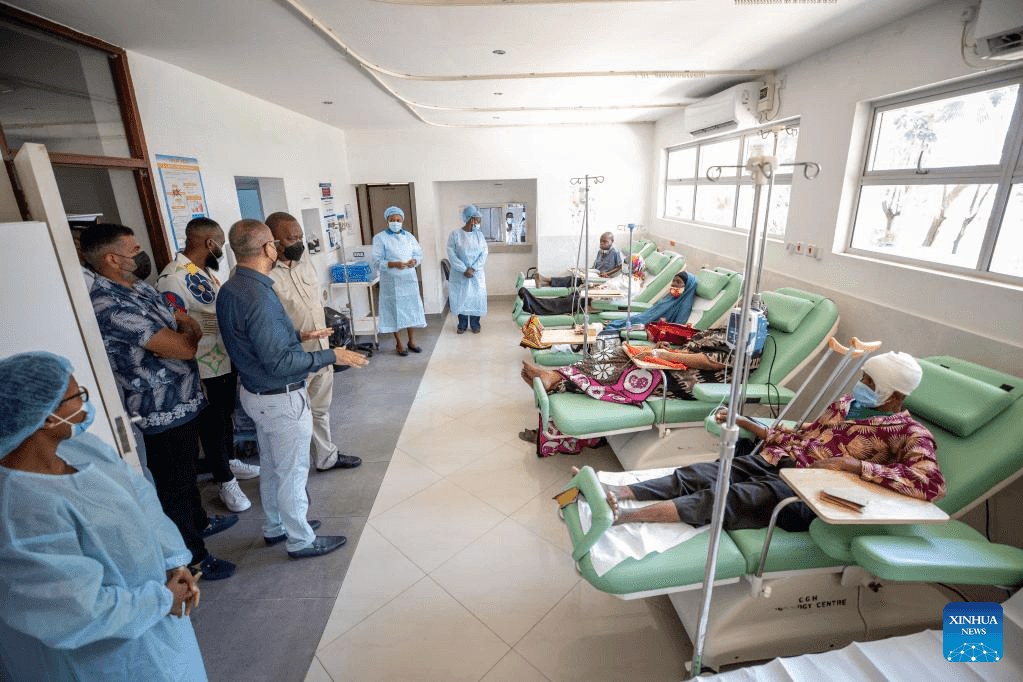
While the government has subsidized some medications to alleviate the burden on patients, these subsidies are increasingly under threat due to the country’s fiscal constraints. With an ongoing program of fiscal consolidation backed by the International Monetary Fund (IMF), these subsidies may soon become unsustainable, leaving patients to fend for themselves.
The Kenya-UAE CEPA contains provisions that could worsen the situation for the country’s healthcare system. Key among these is market exclusivity, which would allow pharmaceutical companies to monopolize certain drugs for five years, even if those drugs are not new inventions and are not protected by patents. This would block access to generic alternatives, keeping drug prices high for longer periods.
Additionally, the agreement includes “hard linkage” obligations, which prevent the Kenyan government from granting compulsory licenses. Compulsory licenses allow other manufacturers to produce generic versions of patented medicines, providing more affordable alternatives. This linkage would effectively tie the government’s hands when it comes to controlling drug costs and ensuring that essential medicines are accessible to all Kenyans.
Globally, countries have suffered from similar provisions in trade agreements. In Colombia, the introduction of data exclusivity in 2002 led to an additional $396 million in healthcare costs over two decades. In the United States, market exclusivity for an old gout medication caused prices to rise by more than 50 times, adding an estimated $50 million in costs annually to the healthcare system.
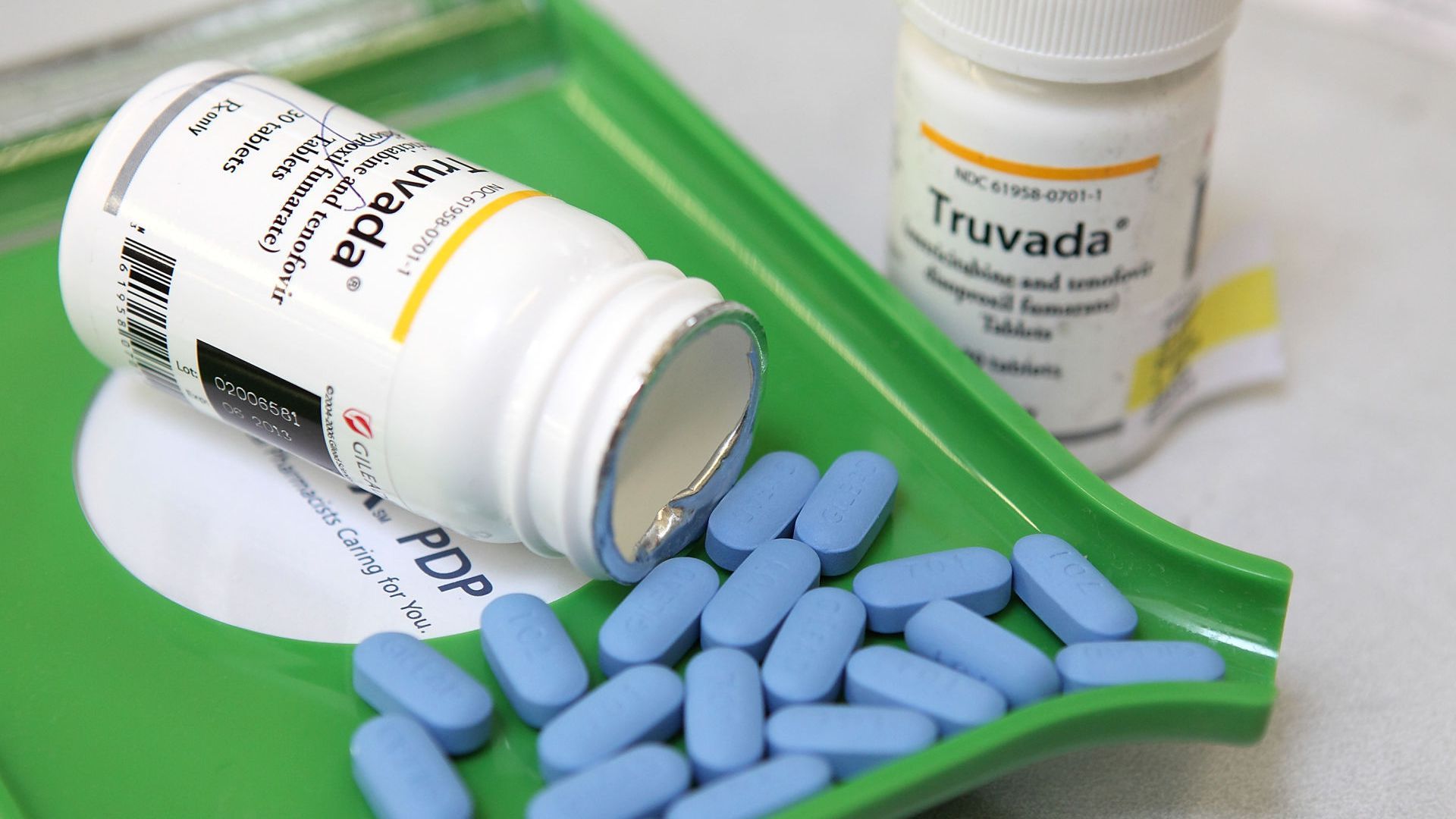
Kenya could face similar scenarios if these provisions in the CEPA are allowed to stand. Essential drugs like cancer treatments, HIV/AIDS medication, and TB therapies could become even more expensive, placing them out of reach for many who rely on them.
Kenya’s Constitution offers a potential safeguard against such harmful agreements. Article 21 of the Kenyan Constitution places a responsibility on the government to protect the right to health, ensuring that all citizens have access to the highest attainable standard of healthcare. This includes the provision of affordable medicines and treatments.
The agreement is still subject to ratification by Kenya’s Parliament, and this is where the real battle will be fought. Parliament has the power to reject, approve with reservations, or amend the CEPA. With growing concerns about the potential negative impact on public health, lawmakers must scrutinize the agreement closely and ensure that provisions harmful to public health are removed. The Parliamentary Caucus on Business and the Economy, which has previously championed public interests, should step up and push for amendments that protect Kenyans from these detrimental clauses.
In the face of such a high-stakes trade agreement, Parliament must act in the best interest of its citizens. The Kenya-UAE CEPA is not just a matter of trade; it’s a matter of life and death. The legislature must ensure that the deal does not come at the expense of the country’s most vulnerable populations. By proposing reservations or demanding the removal of harmful provisions, lawmakers can help protect the health and wellbeing of millions of Kenyans.






0 comments