
Your Read is on the Way
Every Story Matters
Every Story Matters
The Hydropower Boom in Africa: A Green Energy Revolution Africa is tapping into its immense hydropower potential, ushering in an era of renewable energy. With monumental projects like Ethiopia’s Grand Ethiopian Renaissance Dam (GERD) and the Inga Dams in the Democratic Republic of Congo, the continent is gearing up to address its energy demands sustainably while driving economic growth.
Northern Kenya is a region rich in resources, cultural diversity, and strategic trade potential, yet it remains underutilized in the national development agenda.

Can AI Help cure HIV AIDS in 2025

Why Ruiru is Almost Dominating Thika in 2025

Mathare Exposed! Discover Mathare-Nairobi through an immersive ground and aerial Tour- HD

Bullet Bras Evolution || Where did Bullet Bras go to?
Introduction to Clubfoot
Clubfoot, medically referred to as congenital talipes equinovarus (CTEV), is a structural deformity of the foot present at birth. It involves one or both feet appearing rotated internally at the ankle, causing the soles to point downward and inward. The condition is among the most common congenital deformities affecting newborns globally.
The precise cause of clubfoot is often unknown, but a combination of genetic and environmental factors is believed to contribute to its development.
A family history of clubfoot significantly raises the likelihood of a newborn being affected. Specific genetic mutations related to musculoskeletal development have been associated with the condition.
Maternal behaviors and health conditions during pregnancy, such as smoking, poor nutrition, or restricted space in the womb, have been identified as possible risk factors.
While many cases are isolated (idiopathic), clubfoot may also occur as part of a broader syndrome such as spina bifida or arthrogryposis, requiring more comprehensive medical evaluation.
Typical features of clubfoot include:
-Inward twisting of the foot
-Tightness of the Achilles tendon
-Underdevelopment of the calf muscles
-Elevation of the heel and curvature of the foot
-The sole of the foot facing inward or even upward
The condition is not painful at birth but can cause significant physical disability if not corrected.
Clubfoot can often be detected via routine prenatal ultrasound, usually around 18 to 22 weeks of gestation. Early detection allows parents to prepare for treatment immediately after birth.
Diagnosis is primarily clinical, based on the appearance and positioning of the foot. Imaging such as X-rays may be used for more complex or syndromic cases.
Prompt treatment, preferably within the first weeks of life, is essential for optimal outcomes.
This is the most widely accepted non-surgical method and includes:
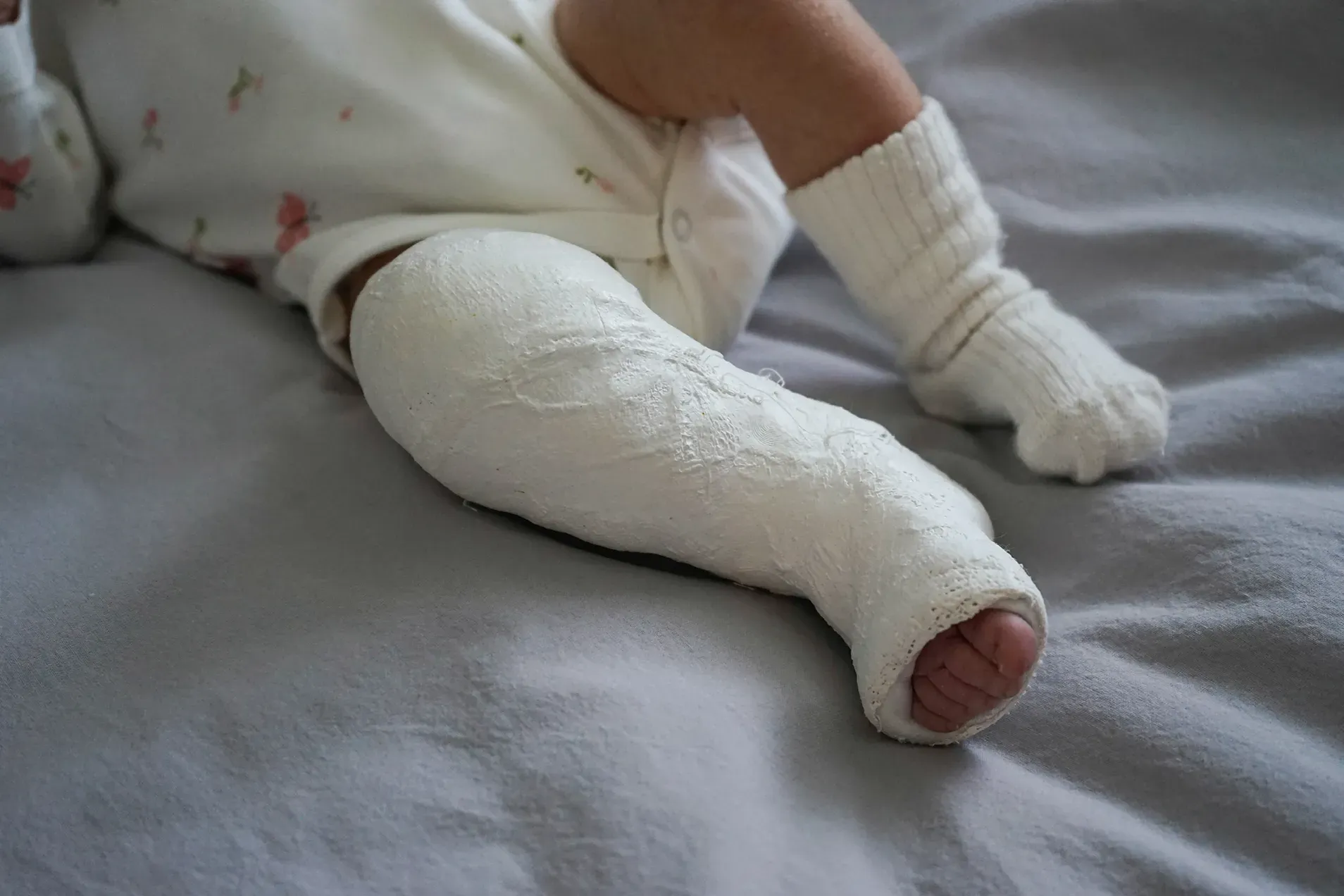
-Gentle weekly manipulation and casting
-Usually 5 to 7 cast changes
-A minor outpatient procedure called Achilles tenotomy (cutting the tight tendon)
-Use of a foot abduction brace for several years to prevent relapse
This method relies on daily physiotherapy and splinting. It requires strong commitment from caregivers and regular clinical supervision.
Surgery is reserved for severe, relapsed, or unresponsive cases. It may involve tendon lengthening, joint release, or bone alignment procedures.
With early and effective treatment, over 90 percent of children with clubfoot achieve normal or near-normal foot function. Potential long-term considerations include:
-Slight differences in foot size or calf muscle development
-Occasional stiffness or reduced flexibility
-Need for orthopedic monitoring into adolescence
Without treatment, individuals may experience significant physical limitations, including the inability to walk properly, chronic pain, and social stigma.
Children treated successfully for clubfoot generally participate in sports and lead fully active lives. Bracing compliance during early childhood is key to preventing recurrence. Family education and continued follow-up care are vital in ensuring long-term success.
Clubfoot, though visually alarming at birth, is highly treatable through modern orthopedic interventions, particularly if addressed early. The Ponseti method has transformed outcomes for thousands of children worldwide, providing an accessible, effective, and largely non-surgical solution. With appropriate care, individuals born with clubfoot can lead lives indistinguishable from their peers.






0 comments