
Your Read is on the Way
Every Story Matters
Every Story Matters
The Hydropower Boom in Africa: A Green Energy Revolution Africa is tapping into its immense hydropower potential, ushering in an era of renewable energy. With monumental projects like Ethiopia’s Grand Ethiopian Renaissance Dam (GERD) and the Inga Dams in the Democratic Republic of Congo, the continent is gearing up to address its energy demands sustainably while driving economic growth.
Northern Kenya is a region rich in resources, cultural diversity, and strategic trade potential, yet it remains underutilized in the national development agenda.
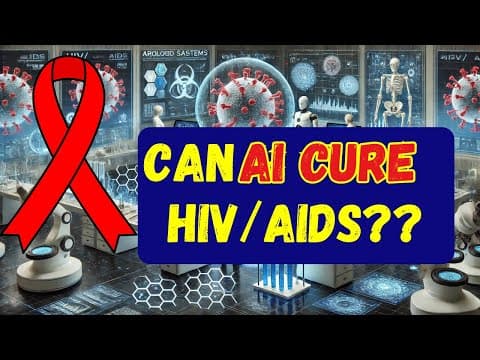
Can AI Help cure HIV AIDS in 2025

Why Ruiru is Almost Dominating Thika in 2025

Mathare Exposed! Discover Mathare-Nairobi through an immersive ground and aerial Tour- HD

Bullet Bras Evolution || Where did Bullet Bras go to?
In a significant advancement in the fight against HIV, the U.S. Food and Drug Administration has approved a long-acting injectable drug that prevents HIV transmission with just two doses per year. This revolutionary drug, designed as a form of pre-exposure prophylaxis (PrEP), represents a major evolution from traditional daily oral pills. The injectable is administered once every six months and is being positioned as a game-changing option, particularly for individuals who struggle with adherence to daily medication regimens.
The approval marks a strategic pivot in HIV prevention strategies—moving away from daily burdens and toward sustained, manageable interventions. It caters specifically to high-risk populations who require consistent protection but may face social, economic, or behavioral challenges that make daily pill-taking impractical.
The newly approved drug underwent extensive clinical trials across various demographics, including cisgender women, men who have sex with men, and transgender individuals. The trials showed a near-complete reduction in HIV transmission, with only isolated cases of infection reported among thousands of participants. These results have been hailed by medical professionals as nothing short of historic, offering prevention rates that border on total efficacy.
Its formulation provides continuous protection by maintaining active drug levels in the body over several months. This approach not only reduces the margin of error associated with missed doses but also ensures protection during high-risk periods without the need for daily medical attention.
For many individuals, daily PrEP pills come with challenges—whether due to forgetfulness, stigma, or logistical constraints. This injectable alternative circumvents those obstacles by reducing the number of doses from 365 to just two per year. For users, it offers discretion, convenience, and long-term peace of mind.
Additionally, the design of the drug suits those in underserved or resource-constrained settings, where regular access to clinics or pharmacies might not be guaranteed. Medical professionals believe that, with proper implementation, this injectable can significantly increase adherence rates and reduce new infections, especially in marginalized communities.
While the drug's approval has been celebrated, concerns remain around cost and accessibility. In the U.S., the injectable is priced comparably to existing branded PrEP options. However, healthcare providers and insurers are expected to offer widespread coverage, with assistance programs likely available for those who are uninsured or underinsured.
On a global scale, manufacturers have committed to licensing the formula to generic producers to ensure broader affordability. This move could accelerate uptake in low- and middle-income countries, where HIV remains a persistent health crisis. However, logistical and policy frameworks will need to align to ensure that the drug reaches the people who need it most.
The approval of this biannual injectable is more than a pharmaceutical milestone—it represents a strategic shift in how societies can approach disease prevention. If widely adopted, it could significantly alter the trajectory of HIV transmission across the world. Experts are hopeful that this innovation will spark a renewed global push toward reducing new infections and, eventually, ending the epidemic.
This drug will likely influence the development of similar long-acting interventions for other chronic and infectious diseases. Its success could pave the way for a new standard in preventive healthcare—one built on accessibility, innovation, and human-centered design.






0 comments