
Your Read is on the Way
Every Story Matters
Every Story Matters
The Hydropower Boom in Africa: A Green Energy Revolution Africa is tapping into its immense hydropower potential, ushering in an era of renewable energy. With monumental projects like Ethiopia’s Grand Ethiopian Renaissance Dam (GERD) and the Inga Dams in the Democratic Republic of Congo, the continent is gearing up to address its energy demands sustainably while driving economic growth.
Northern Kenya is a region rich in resources, cultural diversity, and strategic trade potential, yet it remains underutilized in the national development agenda.
Can AI Help cure HIV AIDS in 2025

Why Ruiru is Almost Dominating Thika in 2025
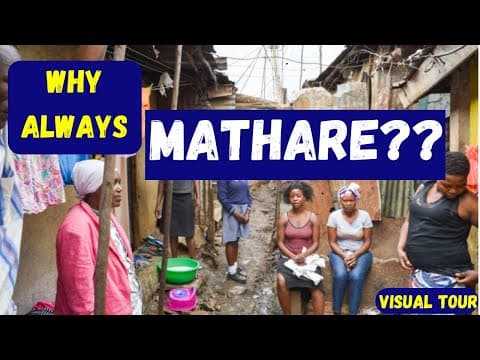
Mathare Exposed! Discover Mathare-Nairobi through an immersive ground and aerial Tour- HD

Bullet Bras Evolution || Where did Bullet Bras go to?
The International Day Against Drug Abuse and Illicit Trafficking, observed annually on June 26, is a global UN-backed event dedicated to raising awareness about the dangers of drug use, curbing the spread of narcotics, and strengthening efforts against drug trafficking.
But it’s not just about waving banners—it’s a moment when countries are expected to take stock, amplify public education, and renew commitments to prevention, rehabilitation, and enforcement.
Here's what typically unfolds around the world—and specifically in countries like Kenya:
In cities and towns, people hit the streets with placards, t-shirts, and chants calling for drug-free communities. These marches often involve students, youth groups, police units, and rehabilitation advocates.
Many schools hold assemblies, essay contests, art exhibitions, and workshops that educate students on the risks of drug use. This is crucial in countries where drug abuse is starting as early as age 10.
National authorities like Kenya’s NACADA use the day to release new data, warn about emerging drug trends, and announce fresh policy steps. It’s also a chance to showcase what’s being done—or not being done—on prevention, enforcement, and rehab.
Churches, mosques, youth centers, and NGOs organize open forums, counselling drives, and testimonies from recovering addicts. These community events are essential in rural and underserved areas.
Television, radio, and social media get flooded with messages, ads, survivor stories, and urgent statistics. These campaigns aim to shift perceptions—because many still don’t treat drug abuse as a public health emergency.
International bodies like the UNODC (UN Office on Drugs and Crime) release global drug trend reports, warning nations of rising use, trafficking patterns, and policy failures.
While the day creates powerful optics—marches, speeches, campaigns—it’s also criticized for being too symbolic. Experts argue that the real work must happen every day: through consistent funding, community rehab centers, crackdowns on dealers, and mental health integration.
Still, the day remains a crucial checkpoint. It forces governments to publicly account for their progress—or their failure.






0 comments