
Your Read is on the Way
Every Story Matters
Every Story Matters
The Hydropower Boom in Africa: A Green Energy Revolution Africa is tapping into its immense hydropower potential, ushering in an era of renewable energy. With monumental projects like Ethiopia’s Grand Ethiopian Renaissance Dam (GERD) and the Inga Dams in the Democratic Republic of Congo, the continent is gearing up to address its energy demands sustainably while driving economic growth.
Northern Kenya is a region rich in resources, cultural diversity, and strategic trade potential, yet it remains underutilized in the national development agenda.
Can AI Help cure HIV AIDS in 2025

Why Ruiru is Almost Dominating Thika in 2025

Mathare Exposed! Discover Mathare-Nairobi through an immersive ground and aerial Tour- HD

Bullet Bras Evolution || Where did Bullet Bras go to?
Menstrual health refers to a state of complete physical, mental, and social well-being in relation to the menstrual cycle. It is not merely about managing bleeding; it encompasses a woman’s right to understand, manage, and live through menstruation with dignity and without stigma. This includes access to clean and safe menstrual products, the ability to change them in privacy, proper knowledge about reproductive health, and the social freedom to speak about menstruation openly.
It also includes access to healthcare services when menstrual issues arise and freedom from harmful taboos and restrictions. When a society supports menstrual health, it lays a stronger foundation for gender equality, educational attainment, and overall human development.
Biologically, the menstrual cycle is a complex process governed by hormonal changes that prepare the female body for potential pregnancy. It typically occurs every 21 to 35 days, with menstruation (bleeding) lasting between three and seven days. Despite being a natural process, the symptoms experienced during menstruation can vary widely, from mild discomfort to debilitating pain.
Conditions such as dysmenorrhea (severe period pain), menorrhagia (heavy bleeding), amenorrhea (absence of menstruation), and disorders like endometriosis and PCOS often go undiagnosed due to a lack of awareness and open discussion. Addressing these issues early can significantly improve women’s quality of life, productivity, and psychological well-being. Education on recognizing abnormal symptoms and seeking medical attention is essential for long-term health.
Maintaining menstrual hygiene is central to menstrual health. Yet millions of women and girls lack access to basic facilities such as clean water, private toilets, and affordable sanitary products. In such situations, they are forced to resort to unhygienic practices—such as using old cloths or leaves—which increase the risk of infections and long-term reproductive complications.
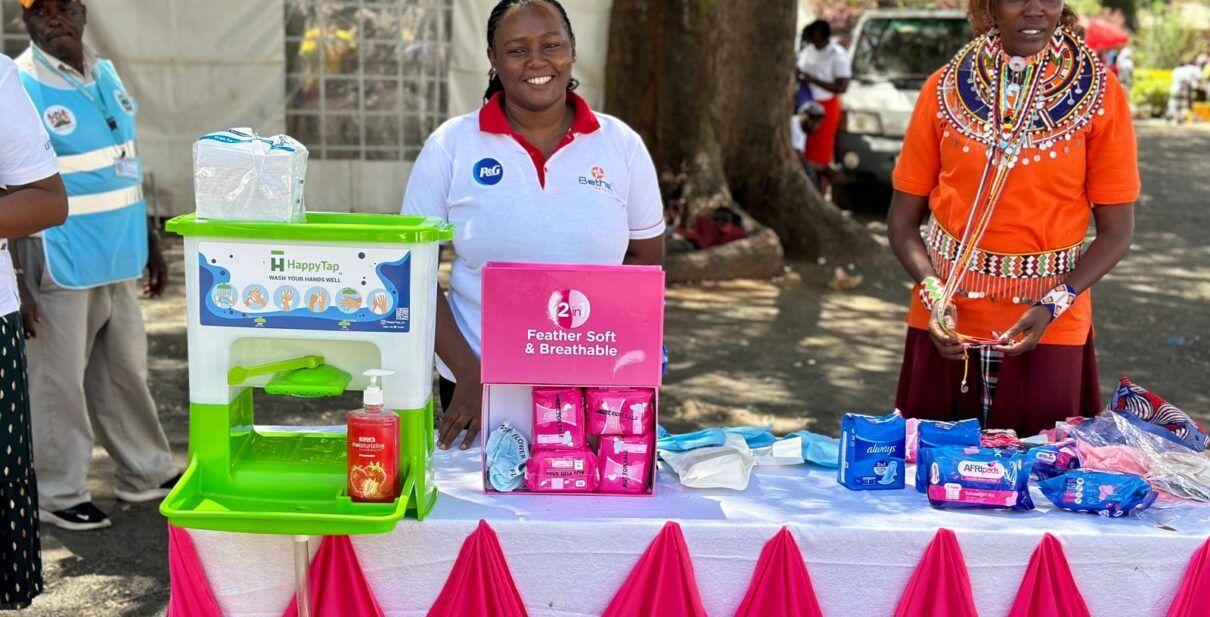
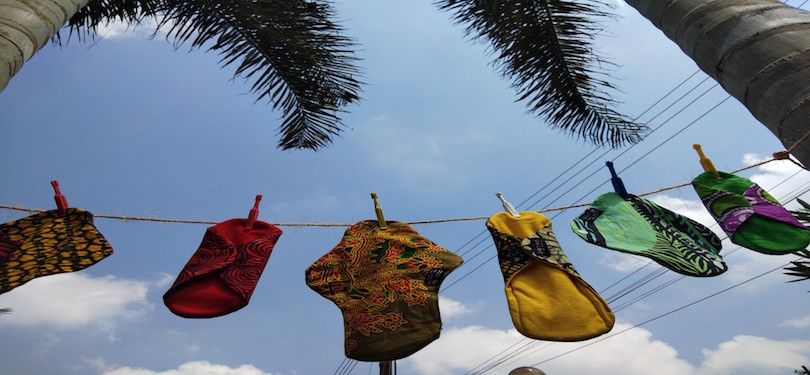
The availability of a range of menstrual products—disposable pads, tampons, reusable cloth pads, menstrual cups, and period underwear—means options can now be tailored to personal preferences and economic realities. However, the key challenge remains distribution and education, particularly in low-income and rural communities. Government intervention and public-private partnerships can help normalize usage and ensure that safe menstrual hygiene is not a privilege but a right.
One of the most persistent challenges to achieving menstrual equity is the deep-rooted social stigma attached to periods. In many communities, menstruation is seen as dirty, shameful, or impure. These beliefs lead to harmful practices: girls are kept out of school, women are isolated from family activities, and menstruating females are forbidden from entering religious spaces.
This exclusion fosters low self-esteem, social withdrawal, and educational disadvantages. In extreme cases, it contributes to early school dropouts among adolescent girls. To change this, comprehensive sex education must be introduced in schools for both boys and girls, parents need to be included in awareness campaigns, and leaders must publicly denounce harmful taboos. Destigmatization begins with knowledge, inclusion, and policy reform.
Menstrual health also has a strong emotional and mental component. Many women experience Premenstrual Syndrome (PMS), characterized by mood swings, fatigue, irritability, and depression. A more severe form, Premenstrual Dysphoric Disorder (PMDD), can significantly impair daily functioning and emotional well-being.
Unfortunately, many girls and women are told to "tough it out" or are not believed when they express pain or emotional distress. Support systems—ranging from counseling services to flexible work policies—are crucial in ensuring emotional stability and reducing mental health burdens. Additionally, open conversations about these issues in families and schools can help girls better understand their feelings and cope in healthier ways.
Menstrual health must be backed by strong policy frameworks. Governments have a responsibility to ensure menstrual equity by subsidizing or providing free menstrual products in schools, prisons, hospitals, and other public institutions. Campaigns that remove tax on sanitary products, commonly known as the “tampon tax,” have been successful in improving access in several countries.
Furthermore, menstrual leave policies, though controversial in some regions, are gaining traction as progressive workplace accommodations. Public education campaigns—on television, radio, and social media—should be aimed at deconstructing myths and educating the broader society on menstruation as a biological norm and human right. This approach ensures a more empathetic and informed public.
“Period poverty” refers to the lack of access to menstrual hygiene products and education due to financial constraints. This issue affects millions of women and girls globally, especially in developing regions and marginalized communities. The impact is far-reaching: girls miss school, women miss work, and overall quality of life is diminished.
The inability to manage menstruation safely and privately becomes a barrier to opportunity and dignity. Tackling period poverty involves not only providing products but also creating awareness, dismantling stigma, and investing in menstrual health infrastructure. Community-based distribution systems, reusable product innovations, and donor-funded programs can offer sustainable solutions in the short and long term.
The landscape of menstrual health is evolving with technological innovation and increased advocacy. Startups and non-profits are introducing eco-friendly products, wearable period trackers, and educational apps aimed at young users. Grassroots campaigns led by young activists are gaining momentum, challenging centuries-old taboos and demanding representation in policymaking.
In schools, curriculum reforms are integrating menstrual health into broader reproductive health education. Empowering girls and women to speak up about their menstrual needs is a cornerstone of progress. As society becomes more inclusive and data-driven, the narrative around menstruation is shifting from silence and shame to knowledge, confidence, and pride.






0 comments