
Your Read is on the Way
Every Story Matters
Every Story Matters
The Hydropower Boom in Africa: A Green Energy Revolution Africa is tapping into its immense hydropower potential, ushering in an era of renewable energy. With monumental projects like Ethiopia’s Grand Ethiopian Renaissance Dam (GERD) and the Inga Dams in the Democratic Republic of Congo, the continent is gearing up to address its energy demands sustainably while driving economic growth.
Northern Kenya is a region rich in resources, cultural diversity, and strategic trade potential, yet it remains underutilized in the national development agenda.
Can AI Help cure HIV AIDS in 2025

Why Ruiru is Almost Dominating Thika in 2025
Mathare Exposed! Discover Mathare-Nairobi through an immersive ground and aerial Tour- HD

Bullet Bras Evolution || Where did Bullet Bras go to?
Kenya’s Ministry of Health has unveiled a strategic immunisation reform initiative following months of strain on the vaccine supply chain. Instead of merely reacting to sporadic shortages, the Ministry is transitioning to a proactive model focused on vaccine resilience, localised planning, and stockpile preparedness.
Principal Secretary for Medical Services, Dr. Ouma Oluga, stated that this new strategy was born out of the recurring disruptions in global vaccine logistics that had left key counties without critical vaccines, including polio and BCG. The updated plan will not only address current deficits but also insulate the country from future shortfalls.
In a decisive policy pivot, the Ministry is empowering each of the 47 counties to operate their own immunisation hubs, fully integrated with national cold chain systems. These decentralized vaccine reserves will operate as semi-autonomous units under direct Ministry oversight, enabling faster access, flexible redistribution, and tailored planning based on demographic data.
Twelve counties, which had exhausted their vaccine reserves, are now being prioritized under a phased replenishment rollout. This is not just a logistical fix; it’s a structural overhaul aimed at creating county-driven health resilience models.
To protect children from future delays in essential immunisations, the Ministry is establishing a national emergency buffer reserve. This reserve will hold at least a three-month supply of all essential pediatric vaccines, starting with polio, BCG, and rotavirus. It will be maintained under a new digital inventory system accessible in real time by both national and county health officials.
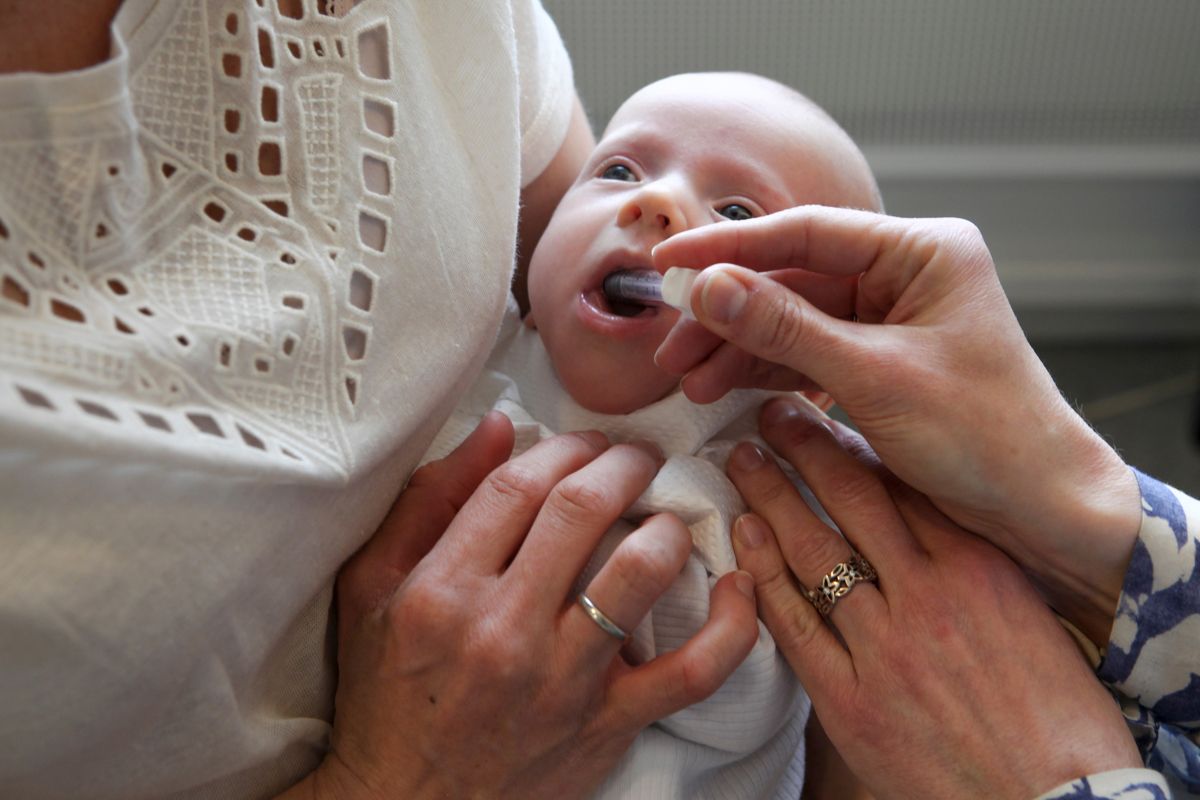
Dr. Oluga confirmed that the first shipment under this initiative—3.2 million doses of the oral polio vaccine—has already arrived and is being cleared at the port. A second consignment of 3 million doses of BCG will be processed by mid-June.
The Ministry’s shift in focus isn’t just operational—it’s philosophical. In the new plan, immunisation is no longer viewed as a one-time campaign but as an integrated, continuous national program built on trust and preparedness.
Rotavirus vaccine, which guards infants against deadly diarrheal infections, will now be stocked ahead for at least 60 days in all public hospitals. Additionally, all community health units are being equipped with mobile refrigeration kits to extend vaccine reach into rural and nomadic populations.
As Kenya enters a new chapter of vaccine security, the Ministry has issued a public assurance that no child will miss routine immunisation, regardless of location or socioeconomic status. This commitment is being backed not only by vaccines on hand, but by systems designed to weather global disruptions.
The Ministry is also engaging with local health officers, county governments, and international partners to ensure that this new framework is sustainably financed and scaled for future generations.






0 comments