
Your Read is on the Way
Every Story Matters
Every Story Matters
The Hydropower Boom in Africa: A Green Energy Revolution Africa is tapping into its immense hydropower potential, ushering in an era of renewable energy. With monumental projects like Ethiopia’s Grand Ethiopian Renaissance Dam (GERD) and the Inga Dams in the Democratic Republic of Congo, the continent is gearing up to address its energy demands sustainably while driving economic growth.
Northern Kenya is a region rich in resources, cultural diversity, and strategic trade potential, yet it remains underutilized in the national development agenda.
Can AI Help cure HIV AIDS in 2025

Why Ruiru is Almost Dominating Thika in 2025

Mathare Exposed! Discover Mathare-Nairobi through an immersive ground and aerial Tour- HD

Bullet Bras Evolution || Where did Bullet Bras go to?
As of mid-2025, the world is once again witnessing a surge in COVID-19 cases driven by emerging variants. While global health systems have largely adapted to managing the virus, the appearance of new strains such as NB.1.8.1 and JN.1 has raised fresh concerns among medical professionals, governments, and the public. These variants, although not significantly more deadly, are notable for their high transmissibility and subtle shifts in symptomatology, warranting renewed public health attention.
The NB.1.8.1 variant is the most prominent strain currently under watch. It has spread across multiple countries and regions within a relatively short period. This variant maintains many of the characteristics seen in previous Omicron sub-lineages but appears more adept at evading existing immunity—particularly from older vaccines and prior infections.
Despite this, the variant has not been conclusively linked to more severe illness. However, the speed of its transmission is cause for concern, especially in densely populated areas.
Symptoms of NB.1.8.1 mirror traditional COVID-19 indicators: fever, cough, nasal congestion, fatigue, and sore throat. The real challenge lies in its ability to spread before symptoms fully manifest, increasing the chance of unintentional exposure within communities. Surveillance data has also hinted at higher infection rates among children and young adults, though this has yet to be confirmed on a larger scale.
Another variant drawing attention is JN.1, identified in several regions and associated with a slower but steady increase in case numbers. Unlike NB.1.8.1, the JN.1 strain appears to manifest in ways slightly different from the typical COVID-19 presentation. Reports suggest low-grade persistent fevers and gastrointestinal symptoms such as diarrhea and nausea as more frequent indicators.
While JN.1 does not currently show signs of more serious health outcomes, its unusual symptom profile may lead to misdiagnosis or delayed treatment, especially in rural and under-resourced areas. There is also concern that public fatigue and lowered vigilance may contribute to its spread as people dismiss symptoms as unrelated to COVID-19.
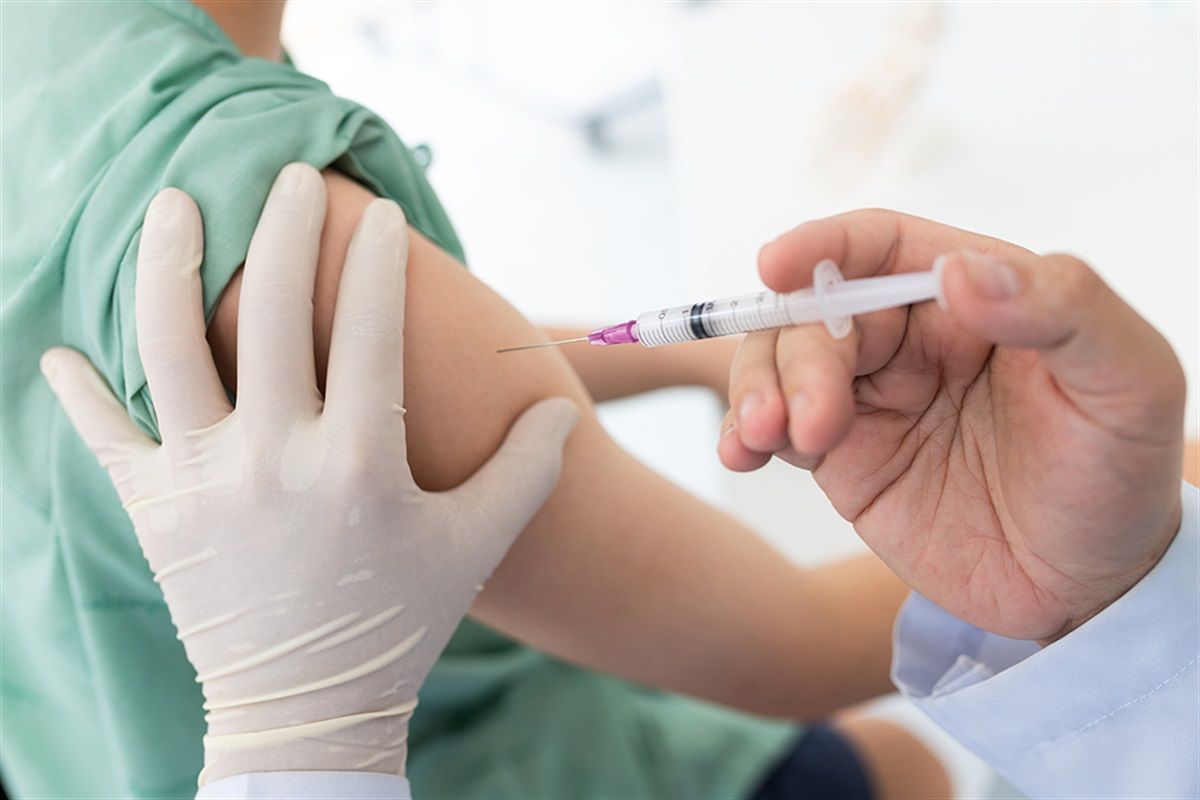
One of the driving factors behind the increasing cases could be the gradual waning of vaccine-induced immunity. Many populations around the world received their last booster doses more than a year ago, and the latest variants demonstrate some resistance to those earlier immunizations. While updated vaccines are in development and being distributed in limited areas, coverage remains uneven.
Public health authorities have encouraged eligible individuals, especially those with underlying health conditions or older age, to seek out available boosters. However, vaccine availability and public willingness to get re-vaccinated continue to vary greatly by region.
Governments and healthcare institutions are responding to the resurgence by reinforcing basic protective measures. These include emphasizing the importance of hygiene, mask-wearing in high-risk settings, and staying home when symptomatic. Some regions have reinstated temporary indoor mask mandates and increased testing in hotspots.
Contact tracing systems are being reactivated to detect and contain outbreaks quickly. In addition, hospitals are monitoring for any uptick in severe cases to ensure readiness should hospitalizations begin to rise again.
COVID-19, now an endemic part of human health landscapes, continues to evolve in ways that challenge public complacency. While current variants are not causing widespread severe illness, their rapid spread underscores the need for constant vigilance and the continued evolution of medical and societal responses.
The global community is learning that managing COVID-19 is not about returning to a pre-pandemic normal but rather about adapting to a new and shifting reality where scientific agility, healthcare investment, and public cooperation remain crucial.






0 comments