
Your Read is on the Way
Every Story Matters
Every Story Matters
The Hydropower Boom in Africa: A Green Energy Revolution Africa is tapping into its immense hydropower potential, ushering in an era of renewable energy. With monumental projects like Ethiopia’s Grand Ethiopian Renaissance Dam (GERD) and the Inga Dams in the Democratic Republic of Congo, the continent is gearing up to address its energy demands sustainably while driving economic growth.
Northern Kenya is a region rich in resources, cultural diversity, and strategic trade potential, yet it remains underutilized in the national development agenda.
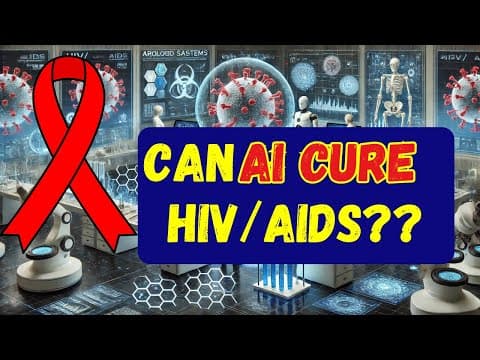
Can AI Help cure HIV AIDS in 2025

Why Ruiru is Almost Dominating Thika in 2025

Mathare Exposed! Discover Mathare-Nairobi through an immersive ground and aerial Tour- HD

Bullet Bras Evolution || Where did Bullet Bras go to?
Breast cancer begins when cells in the breast grow uncontrollably, forming a lump or mass. These cells usually develop in the milk-producing ducts or glandular tissues. While breast cancer is most common in women, it can also affect men. Not all breast lumps are cancerous, but any abnormal growth should be checked. Breast cancer ranges from localized forms that are highly treatable to more aggressive types that can spread to other parts of the body.
Recognizing breast cancer early can save lives. The most common initial sign is a lump or thickening in the breast or underarm area. Other red flags include:
-Changes in breast shape or size
-Unusual nipple discharge (clear, bloody, or pus-like)
-Inverted or retracted nipples
-Skin dimpling or puckering
-Redness or scaling on the nipple or breast skin
Pain is not usually an early symptom, which is why regular self-examinations and screenings are essential.
There’s no single cause of breast cancer, but several risk factors increase the likelihood of developing it. These include:
-Genetics: Inherited mutations in genes like BRCA1 and BRCA2
-Age: Risk increases as one gets older
-Family history: Having close relatives with breast cancer
-Hormonal factors: Early menstruation, late menopause, or hormone replacement therapy
-Lifestyle habits: Obesity, alcohol use, physical inactivity
While you can't control all risk factors, understanding them helps with early detection and prevention.
Doctors use a combination of methods to confirm the presence of breast cancer. These include:
-Mammograms: X-ray images that detect lumps before they are felt
-Ultrasounds or MRIs: Used for clearer imaging, especially in dense breast tissue
-Biopsy: A sample of breast tissue is removed and tested for cancer cells
Once diagnosed, additional tests determine the stage and type of cancer, guiding the treatment strategy.
Treatment varies depending on the type, size, and spread of the cancer. Common options include:
-Surgery: Lumpectomy (removal of the tumor) or mastectomy (removal of the breast)
-Radiation therapy: Targets remaining cancer cells post-surgery
-Chemotherapy: Drugs used to kill or shrink cancer cells
-Hormone therapy: Blocks hormones that fuel certain cancers
Targeted therapy: Focuses on specific cancer cell traits without damaging healthy cells
In many cases, a combination of treatments offers the best outcomes. Recovery and side effects vary per individual.
Surviving breast cancer is increasingly common due to early detection and advanced treatments. Survivors often face emotional, physical, and financial challenges, but with proper support, many return to normal, fulfilling lives. Routine follow-ups, lifestyle changes, and counseling are part of long-term care. Support groups and advocacy networks also play a vital role in recovery and empowerment.
While not all breast cancer cases are preventable, reducing risk is possible. Key prevention tips include:
-Maintaining a healthy weight
-Limiting alcohol intake
-Exercising regularly
-Avoiding tobacco
-Breastfeeding, when possible
-Regular screenings, especially for those over 40 or with a family history
Public awareness campaigns have made a significant impact, encouraging millions to seek early screenings and speak openly about their health.






0 comments