
Your Read is on the Way
Every Story Matters
No popular articles available yet. Check back soon.
Every Story Matters
The Hydropower Boom in Africa: A Green Energy Revolution Africa is tapping into its immense hydropower potential, ushering in an era of renewable energy. With monumental projects like Ethiopia’s Grand Ethiopian Renaissance Dam (GERD) and the Inga Dams in the Democratic Republic of Congo, the continent is gearing up to address its energy demands sustainably while driving economic growth.
Northern Kenya is a region rich in resources, cultural diversity, and strategic trade potential, yet it remains underutilized in the national development agenda.
Can AI Help cure HIV AIDS in 2025

Why Ruiru is Almost Dominating Thika in 2025

Mathare Exposed! Discover Mathare-Nairobi through an immersive ground and aerial Tour- HD

Bullet Bras Evolution || Where did Bullet Bras go to?
In a renewed effort to strengthen Kenya’s reproductive healthcare system, the government has confirmed the receipt of 186,072 family planning commodities. The consignment, delivered at the Kenya Medical Supplies Authority (KEMSA) headquarters, was officially received by the Principal Secretary for Medical Services, Dr. Ouma Olunga, on June 18. These commodities were donated under the UK’s Foreign, Commonwealth & Development Office (FCDO) program and were procured through the United Nations Population Fund (UNFPA).
This shipment comprises 16,272 sets of Levoplant, 69,800 doses of DMPA-SC (a self-injectable contraceptive), and 100,000 sets of Jadelle implants. The Ministry of Health projects that this stock will contribute significantly to reducing the number of unintended pregnancies, unsafe abortions, and emergency stockouts of contraceptives across public healthcare facilities.
Speaking during the event, PS Olunga emphasized the life-saving potential of these contraceptives, citing statistics suggesting that over 131,000 unintended pregnancies could be averted through their use. He noted that this would also lead to fewer unsafe abortion cases, which remain a silent crisis in many under-resourced regions of the country.
The PS extended gratitude to the UK government and UNFPA for their continued commitment to improving health outcomes in Kenya. According to him, the donation marks a milestone in ensuring consistent contraceptive availability, which is critical for sustainable public health.
Kenya has witnessed growing uptake of modern contraceptives, especially among younger populations and in urban centers. The Ministry of Health recognizes this trend as an indication that more Kenyans are embracing voluntary family planning, not only as a health measure but as an economic planning tool.
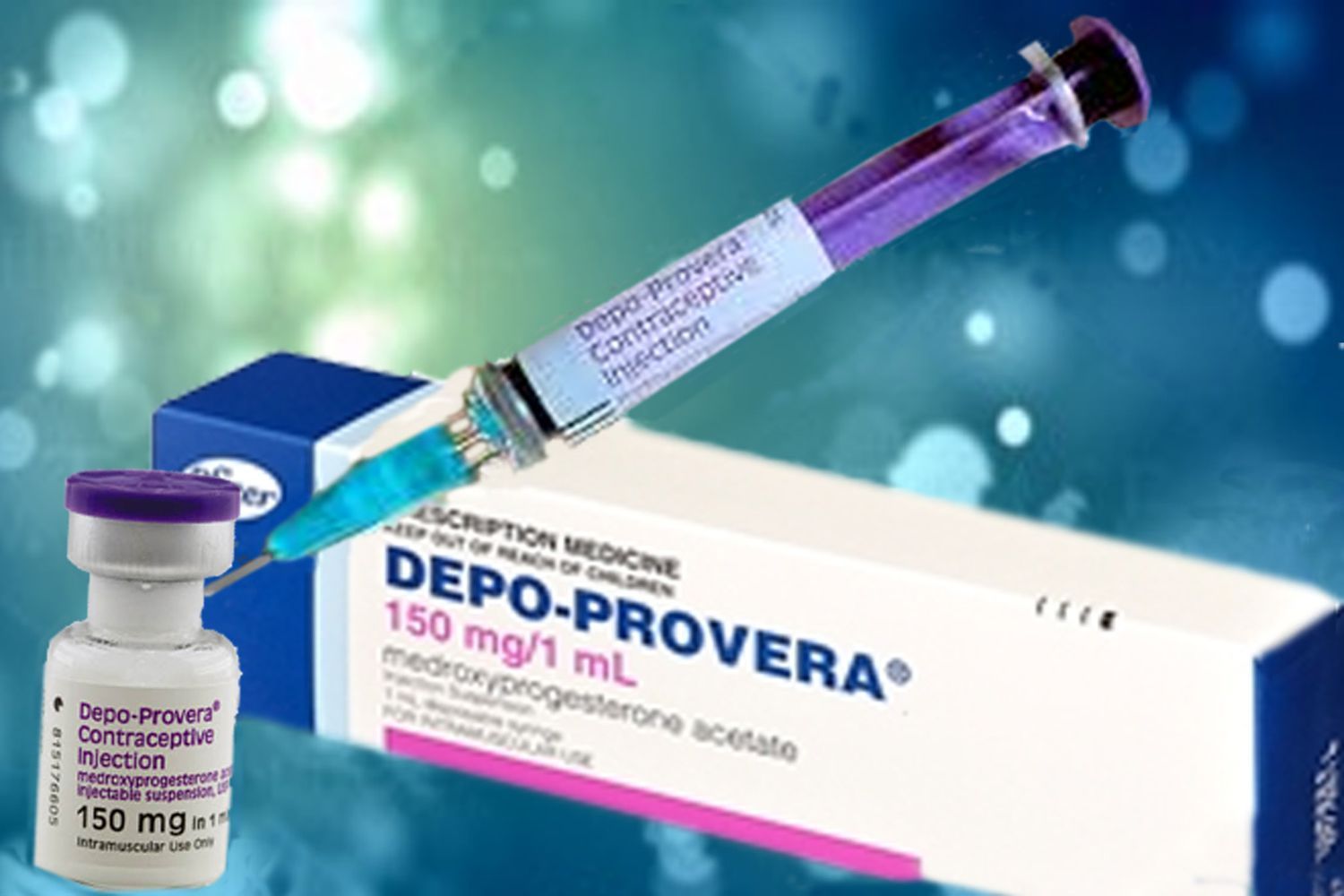
Contraceptives empower women and families to make informed decisions about the timing and size of their families, which the government believes contributes to economic stability, reduces child and maternal mortality, and improves overall quality of life.
Despite the progress, reproductive health in Kenya remains a politically and culturally sensitive issue. Criticism emerged from Kakamega Senator Boni Khalwale, who during a Senate session alleged that contraceptives are tools in a larger agenda to control Africa’s population. He argued that while access should be available, the country must tread carefully and ensure widespread public education on the use, impact, and implications of contraceptives.
His remarks echoed longstanding skepticism among certain political and cultural groups, who interpret international reproductive health funding as veiled interference in local demographics.
The Ministry has acknowledged that while access to contraceptives is essential, so too is comprehensive education. The focus is now shifting to public awareness campaigns that explain the science, purpose, and safety of modern contraception. This includes addressing misinformation, debunking myths, and promoting voluntary, informed use rather than suspicion-based resistance.
In a country where reproductive health remains a key driver of socioeconomic planning, the ability to access and understand contraceptive options is no longer just a health right but a national priority.


0 comments