
Your Read is on the Way
Every Story Matters
Every Story Matters
The Hydropower Boom in Africa: A Green Energy Revolution Africa is tapping into its immense hydropower potential, ushering in an era of renewable energy. With monumental projects like Ethiopia’s Grand Ethiopian Renaissance Dam (GERD) and the Inga Dams in the Democratic Republic of Congo, the continent is gearing up to address its energy demands sustainably while driving economic growth.
Northern Kenya is a region rich in resources, cultural diversity, and strategic trade potential, yet it remains underutilized in the national development agenda.
Can AI Help cure HIV AIDS in 2025
Why Ruiru is Almost Dominating Thika in 2025

Mathare Exposed! Discover Mathare-Nairobi through an immersive ground and aerial Tour- HD

Bullet Bras Evolution || Where did Bullet Bras go to?
Malnutrition results from an imbalance in nutrient intake and utilization. It goes beyond simple hunger, involving both undernutrition—lack of sufficient calories or nutrients—and overnutrition, where excess calories but poor nutrient quality harm health. This imbalance disrupts growth, weakens immunity, and impairs cognitive functions, particularly in vulnerable populations such as children and pregnant women.
Malnutrition manifests in various forms:
-Undernutrition leads to wasting, stunting, and underweight conditions, reducing physical and intellectual development and increasing susceptibility to infections.
-Micronutrient deficiencies—sometimes called hidden hunger—result in conditions such as anemia, impaired vision, and weakened immunity.
-Overnutrition contributes to obesity and related chronic diseases, including diabetes and cardiovascular problems.
Each type places a significant burden on health systems and communities worldwide.
Several factors sustain malnutrition globally:
-Economic hardship limits access to diverse, nutrient-rich foods.
-Food insecurity caused by conflict, environmental challenges, and economic instability disrupts consistent nutrition.
-Poor sanitation and water quality increase disease burden, reducing nutrient absorption.
-Inadequate healthcare delays diagnosis and treatment.
-Lack of nutritional education perpetuates unhealthy diets and feeding practices.
-Social inequalities compound these issues, disproportionately affecting marginalized groups.
Children under five face the highest risk of malnutrition, with long-lasting effects on growth and brain development. Pregnant and breastfeeding women require increased nutrient intake to support both their health and that of their babies. Elderly individuals and those with chronic illnesses also experience higher vulnerability due to changing physiological needs.
Symptoms vary widely but may include weight loss, fatigue, swelling, delayed growth, and frequent infections. Diagnosis typically involves physical assessments, anthropometric measurements, and laboratory tests to identify specific nutrient deficiencies and underlying health issues.
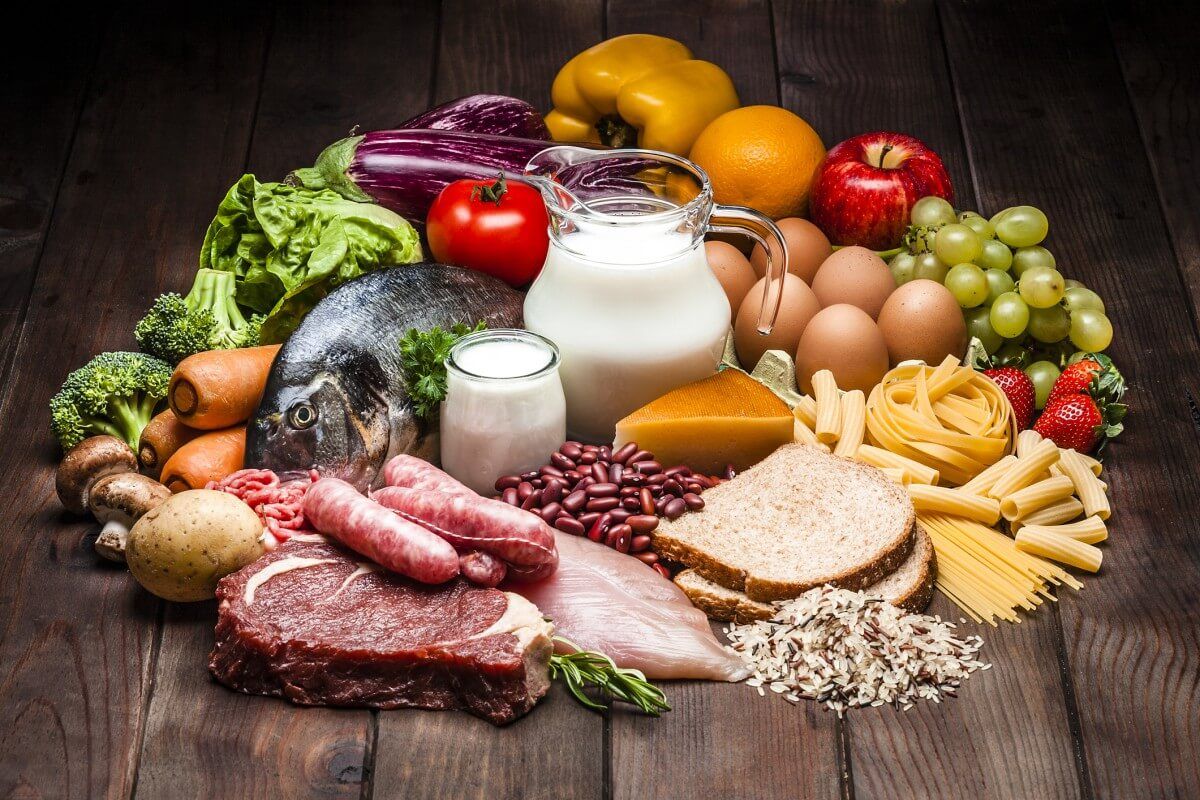
Treatment must address the individual’s specific needs:
-Nutrient-rich diets and supplements correct deficiencies.
-Therapeutic feeding programs aid those with severe undernutrition.
-Medical care treats infections or diseases exacerbating malnutrition.
-Lifestyle changes and dietary management address overnutrition and its complications.
Long-term success requires addressing root causes beyond immediate medical intervention.
Prevention involves coordinated efforts to improve food systems, healthcare access, and education:
-Increasing availability and affordability of nutritious foods.
-Strengthening healthcare services for early detection and treatment.
-Promoting community awareness on healthy diets and proper infant feeding.
-Improving sanitation and access to clean water to reduce disease risk.
-Tackling poverty and inequality to ensure equitable nutrition.
Malnutrition is a complex challenge deeply intertwined with social and economic factors. Its eradication demands a holistic approach combining political commitment, healthcare improvements, education, and social reform. Only by addressing these interconnected issues can the devastating impacts of malnutrition be reversed, unlocking better health and potential for future generations.






0 comments