
Your Read is on the Way
Every Story Matters
Every Story Matters
The Hydropower Boom in Africa: A Green Energy Revolution Africa is tapping into its immense hydropower potential, ushering in an era of renewable energy. With monumental projects like Ethiopia’s Grand Ethiopian Renaissance Dam (GERD) and the Inga Dams in the Democratic Republic of Congo, the continent is gearing up to address its energy demands sustainably while driving economic growth.
Northern Kenya is a region rich in resources, cultural diversity, and strategic trade potential, yet it remains underutilized in the national development agenda.

Can AI Help cure HIV AIDS in 2025

Why Ruiru is Almost Dominating Thika in 2025

Mathare Exposed! Discover Mathare-Nairobi through an immersive ground and aerial Tour- HD

Bullet Bras Evolution || Where did Bullet Bras go to?
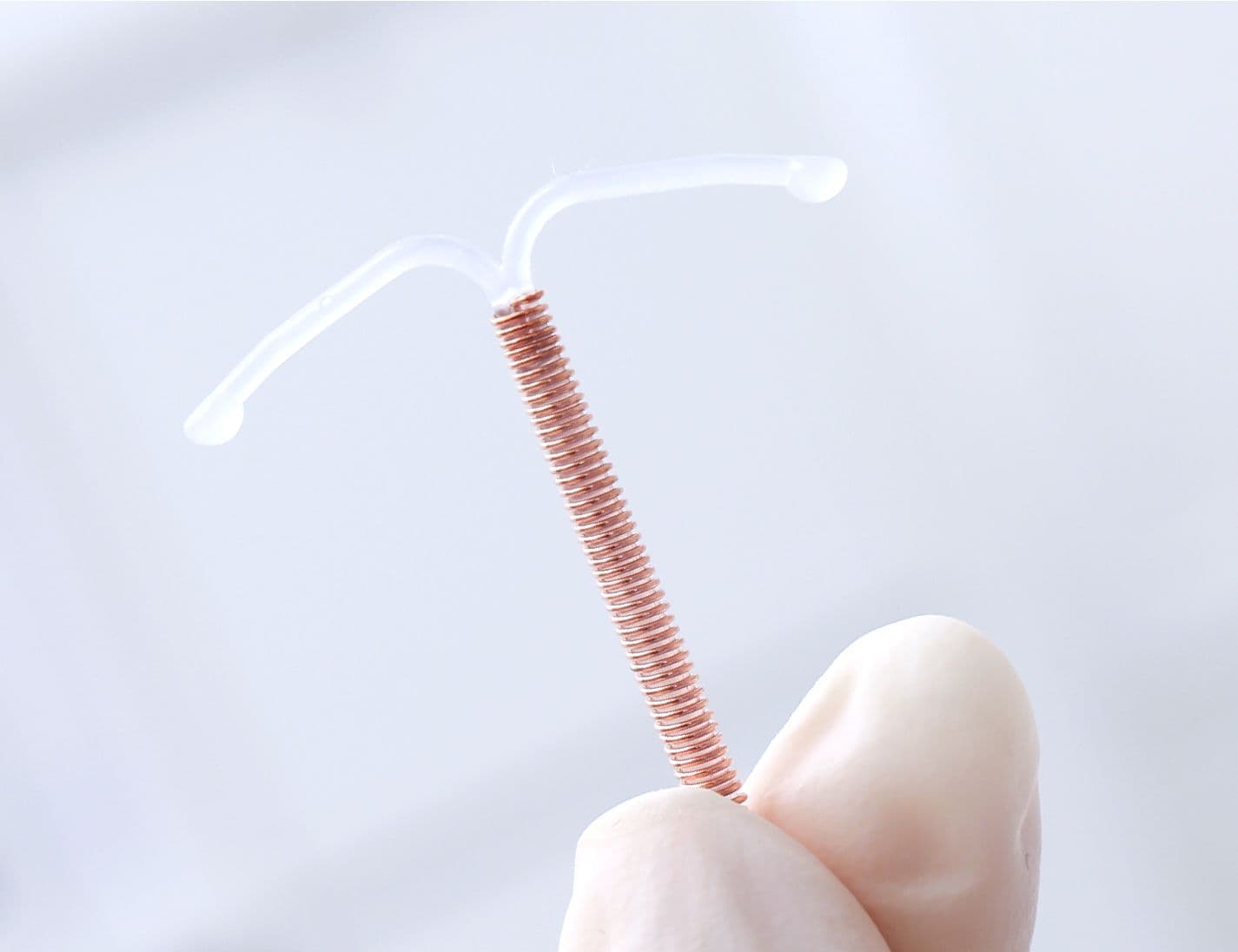
An intrauterine contraceptive device (IUCD) is a small, T-shaped device placed inside the uterus to prevent pregnancy. There are two main types:
-Copper IUCDs – which release copper to prevent fertilization.
-Hormonal IUCDs – which release progestin to thicken cervical mucus and thin the uterine lining.
Current scientific evidence shows that IUCDs do not directly cause uterine cancer. In fact, some studies suggest that certain IUCDs, especially hormonal types, may actually reduce the risk of endometrial cancer by suppressing the growth of the uterine lining.
However, misuse, prolonged retention, or lack of medical follow-up can lead to complications that may indirectly raise the risk of abnormal uterine changes.
1. Chronic Inflammation
-A poorly placed or long-retained IUCD can irritate the uterine lining, causing persistent inflammation. Chronic inflammation in any tissue increases the risk of abnormal cell growth over time.
2. Infections
If an IUCD is not inserted under sterile conditions or is left for longer than recommended, it may increase the risk of pelvic infections. Chronic infections can damage tissue and create an environment where abnormal cell growth occurs.
3. Endometrial Hyperplasia
In rare cases, especially with copper IUCDs, prolonged irritation may contribute to overgrowth of the uterine lining (hyperplasia). Hyperplasia itself is not cancer, but some forms can progress to cancer if untreated.
-Copper IUCDs: Generally neutral—no clear increase in cancer risk.
-Hormonal IUCDs: May lower the risk of endometrial cancer but can have other hormonal side effects.
-Mismanagement: Risks arise mainly when IUCDs are not checked regularly, are used for longer than recommended, or are placed incorrectly.
IUCDs do not directly cause uterine cancer, but poor usage, long-term neglect, or infection risks can create conditions that make the uterus more vulnerable. Regular medical follow-up, safe insertion, and timely replacement are crucial for safe use.





0 comments