
Your Read is on the Way
Every Story Matters
Every Story Matters
The Hydropower Boom in Africa: A Green Energy Revolution Africa is tapping into its immense hydropower potential, ushering in an era of renewable energy. With monumental projects like Ethiopia’s Grand Ethiopian Renaissance Dam (GERD) and the Inga Dams in the Democratic Republic of Congo, the continent is gearing up to address its energy demands sustainably while driving economic growth.
Northern Kenya is a region rich in resources, cultural diversity, and strategic trade potential, yet it remains underutilized in the national development agenda.
Can AI Help cure HIV AIDS in 2025

Why Ruiru is Almost Dominating Thika in 2025
Mathare Exposed! Discover Mathare-Nairobi through an immersive ground and aerial Tour- HD

Bullet Bras Evolution || Where did Bullet Bras go to?
A Shift from Slogans to Substance
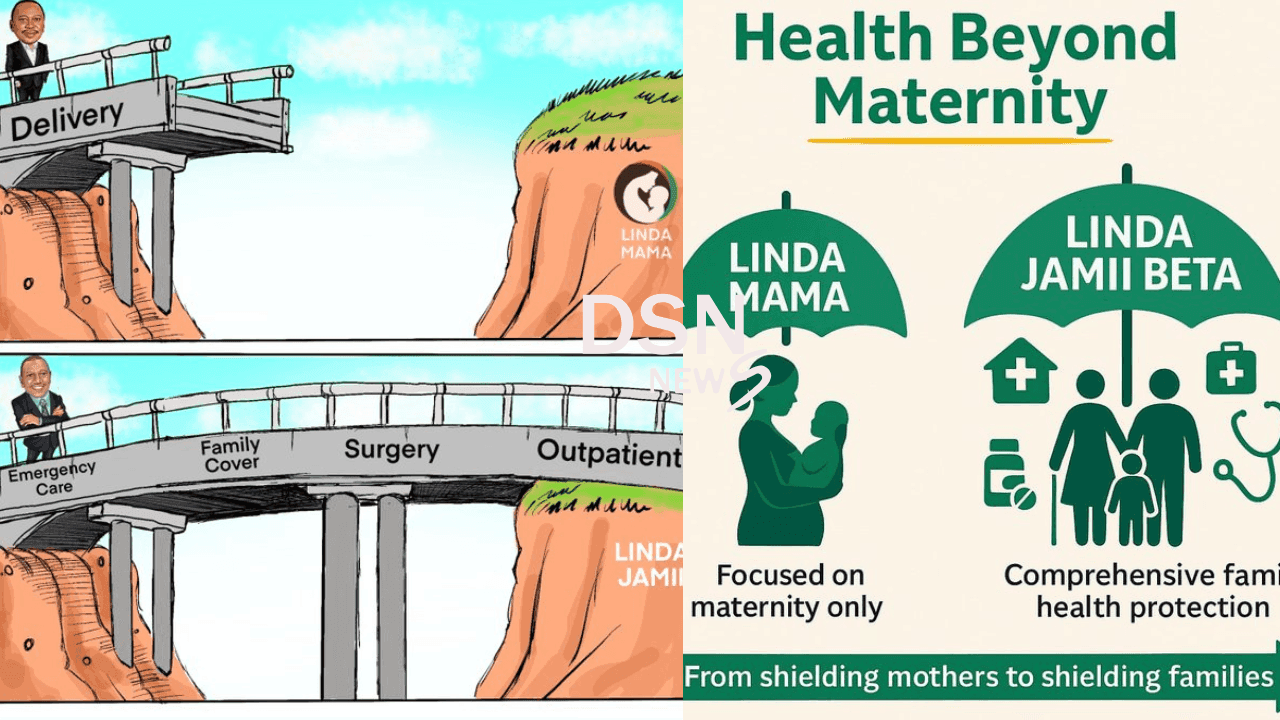
For years, Linda Mama has been the flagship maternal healthcare programme in Kenya—focused on ensuring that no mother gives birth without medical support. It was a lifesaver in many communities, but critics now argue it stopped short, offering relief during childbirth yet abandoning families once the delivery was done. Linda Jamii, branded as #LindaJamiiBeta, has entered the scene not merely as a replacement but as a reimagination of what healthcare coverage should look like in Kenya.
Unlike its predecessor, Linda Jamii isn’t confined to the maternity ward. It stretches into antenatal monitoring, postnatal care, child health follow-ups, and even extended family health needs. In other words, it doesn’t just deliver a baby—it delivers a lifetime of medical support.
Beyond the Delivery Room
The transition signals a recognition of something obvious yet often ignored: maternal health cannot be boxed into a single moment of delivery. Mothers need continuity—prenatal visits, emergency care readiness, newborn screenings, and long-term child development checkups. Linda Mama largely ignored these realities, covering only childbirth and immediate post-delivery services.
By contrast, Linda Jamii threads these gaps together, ensuring that the well-being of both mother and child doesn’t fall off a cliff after the first cry in the hospital.
A Household-Centered Approach
What makes Linda Jamii striking is its household coverage model. It doesn’t simply cover the mother—it extends to children and, in some cases, entire families. That makes it less of a maternal aid programme and more of a national health shield.
This household dimension is crucial in a country where illnesses often overwhelm families financially. By making coverage continuous and inclusive, Linda Jamii steps closer to universal healthcare, something Kenya has long promised but struggled to achieve.
From Policy to Practice
Skepticism remains, of course. Kenya has seen many healthcare reforms branded with hopeful slogans only to collapse under weak funding, poor implementation, or political shifts. The test for Linda Jamii will be whether it avoids the pitfalls that crippled Linda Mama—limited scope, bureaucratic barriers, and service inconsistencies across counties.
If it holds, Linda Jamii could set the stage for a broader model where healthcare is no longer a one-time intervention but a lifelong commitment by the state.
The Verdict
The debate is no longer about whether women should have access to safe deliveries—that’s a given. The real debate is whether healthcare should end at delivery or grow with families across their lives. Linda Jamii answers that question with bold certainty: maternity is just the beginning, not the end, of healthcare




0 comments