
Your Read is on the Way
Every Story Matters
Every Story Matters
The Hydropower Boom in Africa: A Green Energy Revolution Africa is tapping into its immense hydropower potential, ushering in an era of renewable energy. With monumental projects like Ethiopia’s Grand Ethiopian Renaissance Dam (GERD) and the Inga Dams in the Democratic Republic of Congo, the continent is gearing up to address its energy demands sustainably while driving economic growth.
Northern Kenya is a region rich in resources, cultural diversity, and strategic trade potential, yet it remains underutilized in the national development agenda.
Can AI Help cure HIV AIDS in 2025

Why Ruiru is Almost Dominating Thika in 2025
Mathare Exposed! Discover Mathare-Nairobi through an immersive ground and aerial Tour- HD

Bullet Bras Evolution || Where did Bullet Bras go to?
In the relentless battle against malaria—a disease that continues to claim hundreds of thousands of lives annually in sub-Saharan Africa—a familiar drug has emerged as a surprising ally. Ivermectin, long used as an antiparasitic treatment, has shown promising results in slashing malaria transmission by 26% when used alongside standard interventions such as insecticide-treated bed nets.
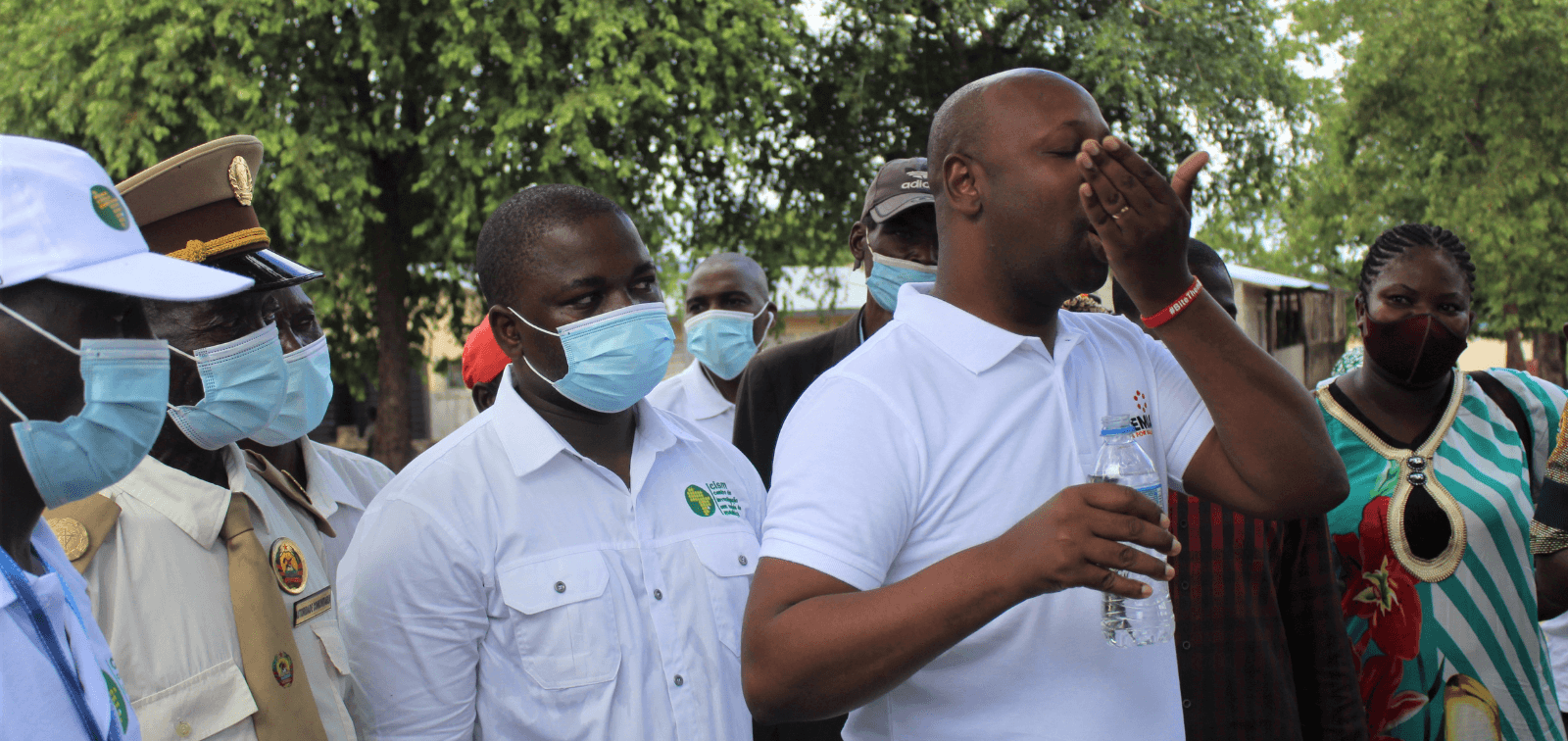
The revelation comes from a major study led by the Kenya Medical Research Institute (KEMRI), in collaboration with the Barcelona Institute for Global Health (ISGlobal) and Mozambique's Manhiça Health Research Center (CISM). The trial’s findings were published in the New England Journal of Medicine, making global headlines and triggering fresh debates about the future of malaria control.
The multi-country trial was executed in malaria-prone regions—Kwale County in Kenya and Mopeia District in Mozambique—targeting over 20,000 participants. The administration process was simple: a single oral dose of ivermectin delivered once a month for three months at the onset of the rainy season.
This strategy coincided with the peak mosquito breeding period and was designed to undermine the vector's capacity to transmit the disease. Ivermectin, once ingested by humans, renders their blood toxic to mosquitoes that feed on them—effectively weaponizing the human body against the insect vector.
Prof. Elijah Songok, Acting Director General of KEMRI, hailed the study as a “landmark moment” in the search for alternative malaria control methods. “We are very excited that ivermectin, already proven against several parasitic infections, now shows promise in tackling malaria and neglected tropical diseases,” he stated.
One of the key takeaways from the trial was ivermectin’s safety profile. Despite the large cohort involved, only mild side effects were recorded, and no serious complications were observed. This makes ivermectin not only effective but also safe for mass drug administration (MDA) campaigns—particularly important in regions with weak health infrastructure.
Dr. Marta Maia, lead entomologist for the BOHEMIA (Broad One Health Endectocide-based Malaria Intervention in Africa) program, emphasized ivermectin’s role as a “complementary” tool. “Insecticide resistance is becoming a serious threat. Ivermectin may not replace existing tools, but it can amplify their effectiveness in critical areas,” she said.
The Mozambican leg of the study faced considerable adversity. Cyclone Gombe devastated local infrastructure, followed closely by a cholera outbreak—two crises that could have derailed the research entirely. Yet, these obstacles only underscored the necessity of community trust and resilience.
Dr. Francisco Saúte, Director of CISM, noted that tight coordination with local health ministries and traditional leaders was crucial. “The community needed to understand the benefits of the intervention. That trust was built through transparent dialogue and involvement,” he explained.
While the results are promising, global health regulators remain cautious. The WHO Vector Control Advisory Group has acknowledged the breakthrough but insists on additional trials to confirm ivermectin’s efficacy and scalability before it can be mainstreamed into malaria control programs.
Nonetheless, this study has opened doors to a more integrated approach—where drugs previously confined to treating worms and lice may now help protect millions from mosquito-borne death.






0 comments