
Your Read is on the Way
Every Story Matters
Every Story Matters
The Hydropower Boom in Africa: A Green Energy Revolution Africa is tapping into its immense hydropower potential, ushering in an era of renewable energy. With monumental projects like Ethiopia’s Grand Ethiopian Renaissance Dam (GERD) and the Inga Dams in the Democratic Republic of Congo, the continent is gearing up to address its energy demands sustainably while driving economic growth.
Northern Kenya is a region rich in resources, cultural diversity, and strategic trade potential, yet it remains underutilized in the national development agenda.
Can AI Help cure HIV AIDS in 2025

Why Ruiru is Almost Dominating Thika in 2025

Mathare Exposed! Discover Mathare-Nairobi through an immersive ground and aerial Tour- HD

Bullet Bras Evolution || Where did Bullet Bras go to?
Inside your mouth exists a bustling, invisible metropolis—home to over 700 distinct species of bacteria. Most of these microscopic residents live peacefully, performing neutral or even beneficial functions. But when oral hygiene slips, the balance tips. Harmful bacteria seize the opportunity, feeding on the sugars and starches in your diet, and releasing acidic byproducts. These acids steadily erode your enamel—the outer armor of your teeth—and invite decay. But this isn’t just about cavities or bad breath. It’s about deeper, chronic damage. The soft tissues of the gums become inflamed, creating pockets that trap even more bacteria. Left unchecked, this chain reaction can open the floodgates to infections that reach the bloodstream, quietly spreading to other parts of the body and setting the stage for diseases far beyond your mouth.
Many people still view oral hygiene as a surface-level issue—concerned with white teeth, minty breath, and social appearances. However, this mindset overlooks the staggering impact poor oral health has on systemic well-being. Gum disease, also known as periodontitis, isn’t just a mouth issue—it’s a chronic inflammatory condition with ripple effects that extend to the heart, lungs, brain, and immune system. The bacteria and inflammation associated with periodontitis have been implicated in heart attacks, strokes, and even neurodegenerative diseases like Alzheimer’s. When your gums bleed while brushing, it’s not a minor nuisance—it’s a direct pathway for bacteria to enter the bloodstream. This hidden inflammation can quietly raise your body’s stress levels, weaken immune response, and compromise healing. In essence, your mouth becomes a silent saboteur, undermining your health from the inside out.
We’ve been taught to brush since childhood, but most adults still get the basics wrong. Some scrub too aggressively, damaging enamel and pushing gums back. Others rush through in under a minute, missing half their mouth. Dentists recommend brushing twice daily for two full minutes, using a soft-bristled toothbrush and fluoride toothpaste. Each quadrant of your mouth deserves equal attention, with small circular motions along the gum line. Flossing, often skipped or dismissed, is just as essential—it removes food particles and plaque from between teeth where brushes can't reach. Without it, nearly half of your mouth remains dirty. Mouthwash can add a helpful layer of bacteria control, but not all rinses are created equal. Alcohol-based versions can dry out the mouth, reducing saliva flow and creating an environment for bacteria to thrive. True oral care isn't just about frequency—it's about doing it properly, consistently, and with the right tools.
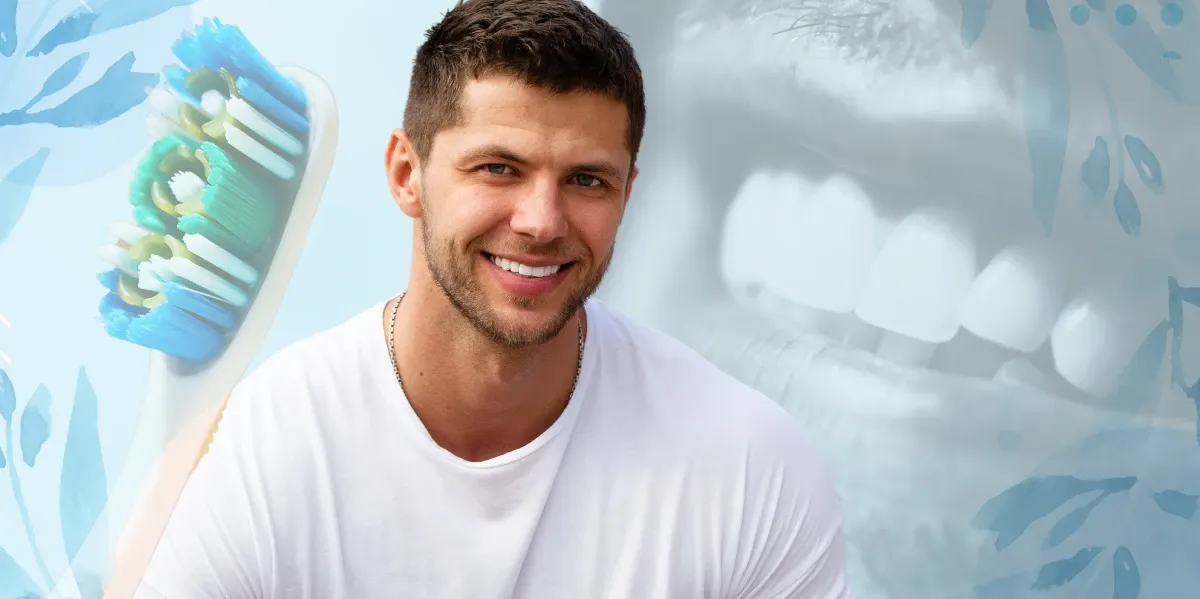
Your mouth is often the first place your body shows signs of something going wrong. Persistent bad breath may indicate digestive disorders or unmanaged diabetes. Sores that don’t heal could point to autoimmune issues or even early-stage oral cancers. Pale or swollen gums may reflect nutrient deficiencies or anemia. In fact, dentists are often the first healthcare providers to identify conditions such as leukemia, HIV, or Crohn’s disease during a routine exam. This is because the mouth is a mirror of the body—it reflects inflammation, infection, and hormonal changes. Ignoring what your mouth tells you means missing out on early detection and prevention. That slight discoloration on your tongue or those ulcers under your lip might seem minor, but they could carry major health implications if left unchecked.
Oral hygiene isn't a one-size-fits-all matter—different life stages and conditions call for different care. In children, dental habits formed early often carry into adulthood. Cavities, if untreated in youth, can lead to chronic oral infections, missed school days, and long-term pain. For seniors, the challenges are different but no less serious. Aging increases vulnerability to tooth loss, dry mouth (often caused by medications), and infections. Seniors with dentures need special cleaning routines and regular dental checkups to prevent complications like fungal infections. Vulnerable populations—those with disabilities, chronic illnesses, or limited access to care—are at even higher risk. Their oral health often takes a backseat to other medical priorities, yet untreated dental problems can worsen underlying conditions and degrade quality of life. Tailored interventions and targeted education are critical to ensuring oral health equity across all groups.
The food you eat, the habits you practice, and even your stress levels all play a role in your oral health. Sugary snacks and drinks create a perfect breeding ground for plaque. Acidic beverages—like soda, wine, and even fruit juices—gradually wear away enamel, making teeth more sensitive and prone to decay. Smoking and vaping not only stain teeth but also weaken the gums and reduce the mouth's ability to heal. Alcohol dries the mouth and disrupts bacterial balance. Even something as subtle as mouth breathing, especially during sleep, can cause dry mouth, bad breath, and increased cavity risk. High stress levels exacerbate inflammation, leading to gum issues and teeth grinding. Oral health isn’t just about brushing and flossing—it’s about an entire lifestyle, where small choices add up over time to either protect or sabotage your smile.
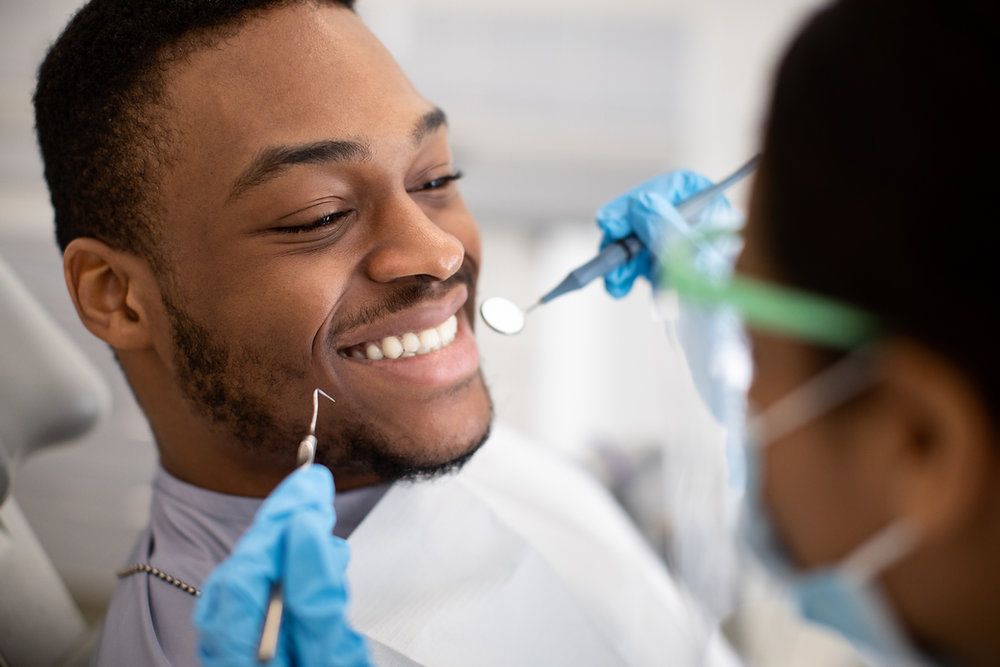
There’s a widespread fear of the dentist’s chair—but delaying a visit often results in more pain, cost, and regret. Regular dental checkups (every six months) aren’t just about cleanings; they’re about early detection. Dentists can spot developing cavities, signs of gum recession, and even oral cancers before they escalate. Professional cleanings remove hardened tartar, which no toothbrush can tackle. Digital X-rays and intraoral cameras allow for early intervention, saving time, money, and teeth. For those anxious about dental visits, modern practices now offer sedation options, entertainment, and a more patient-friendly experience. Reframing dental visits as preventive health care—not punishment—can change your relationship with oral care. Think of it as an investment in your longevity, not just a cosmetic touch-up.
Oral care is stepping into the future with innovations aimed at making maintenance smarter, easier, and more personalized. Smart toothbrushes equipped with sensors track brushing time, pressure, and coverage, offering real-time feedback through connected apps. AI-powered platforms can now analyze oral images and give preliminary assessments, even recommending dentist referrals. Teledentistry is on the rise, especially in remote or underserved areas, making expert care more accessible. Researchers are exploring bioactive materials that can rebuild enamel and fight cavities before they start. Toothpaste formulations are evolving too, incorporating probiotics, hydroxyapatite, and natural antibacterial agents. The future of oral hygiene is not just technological—it’s preventative, intuitive, and deeply personalized.
At its core, oral hygiene is about daily choices. It’s brushing when you're tired, flossing when you're rushed, and showing up for checkups even when nothing hurts. These small acts, repeated consistently, form a protective shield around your body’s first and most vulnerable gateway—your mouth. A clean mouth isn’t just a sign of self-care; it’s a safeguard against inflammation, infection, and disease. When you commit to oral hygiene, you’re not just preserving your smile—you’re defending your entire body. It’s more than hygiene—it’s habit, and habit is power.






0 comments