
Your Read is on the Way
Every Story Matters
Every Story Matters
The Hydropower Boom in Africa: A Green Energy Revolution Africa is tapping into its immense hydropower potential, ushering in an era of renewable energy. With monumental projects like Ethiopia’s Grand Ethiopian Renaissance Dam (GERD) and the Inga Dams in the Democratic Republic of Congo, the continent is gearing up to address its energy demands sustainably while driving economic growth.
Northern Kenya is a region rich in resources, cultural diversity, and strategic trade potential, yet it remains underutilized in the national development agenda.

Can AI Help cure HIV AIDS in 2025

Why Ruiru is Almost Dominating Thika in 2025

Mathare Exposed! Discover Mathare-Nairobi through an immersive ground and aerial Tour- HD

Bullet Bras Evolution || Where did Bullet Bras go to?
Kitui County was recently shaken by a shocking incident that exposed the grim reality of the illegal donkey trade. Two men were arrested while ferrying suspected donkey meat and skins, bringing to light a growing crisis that has plagued the region. The duo was caught after their vehicle, a grey Noah, broke down along the Kyumbe-Nuu Road in Mwingi East. This mechanical failure turned out to be their undoing, as curious residents noticed the abandoned car and decided to investigate. Upon opening the vehicle, they were met with a sickening sight—18 sacks filled with decomposing meat, believed to be from slaughtered donkeys.
As word spread, an angry mob quickly gathered, fueled by months of frustration over the rampant donkey thefts that had crippled the community. The suspects faced the full wrath of the crowd before law enforcement officers arrived just in time to save them from a possible lynching. Their arrest was seen as a small victory in an ongoing battle against an illegal trade that has continued to wreak havoc on local livelihoods. This discovery was not just about stolen donkeys; it was a stark reminder of the broader network of criminals operating behind the scenes, exploiting innocent people for financial gain.
The arrest of these two men is just the latest in a disturbing trend that has escalated in recent months. Reports indicate that over 150 donkey carcasses have been discovered across Kitui and neighboring counties, with authorities rescuing at least 200 live donkeys from traffickers. This alarming rise in cases points to an organized network of criminals who are methodically targeting rural communities, stripping them of one of their most valuable assets.
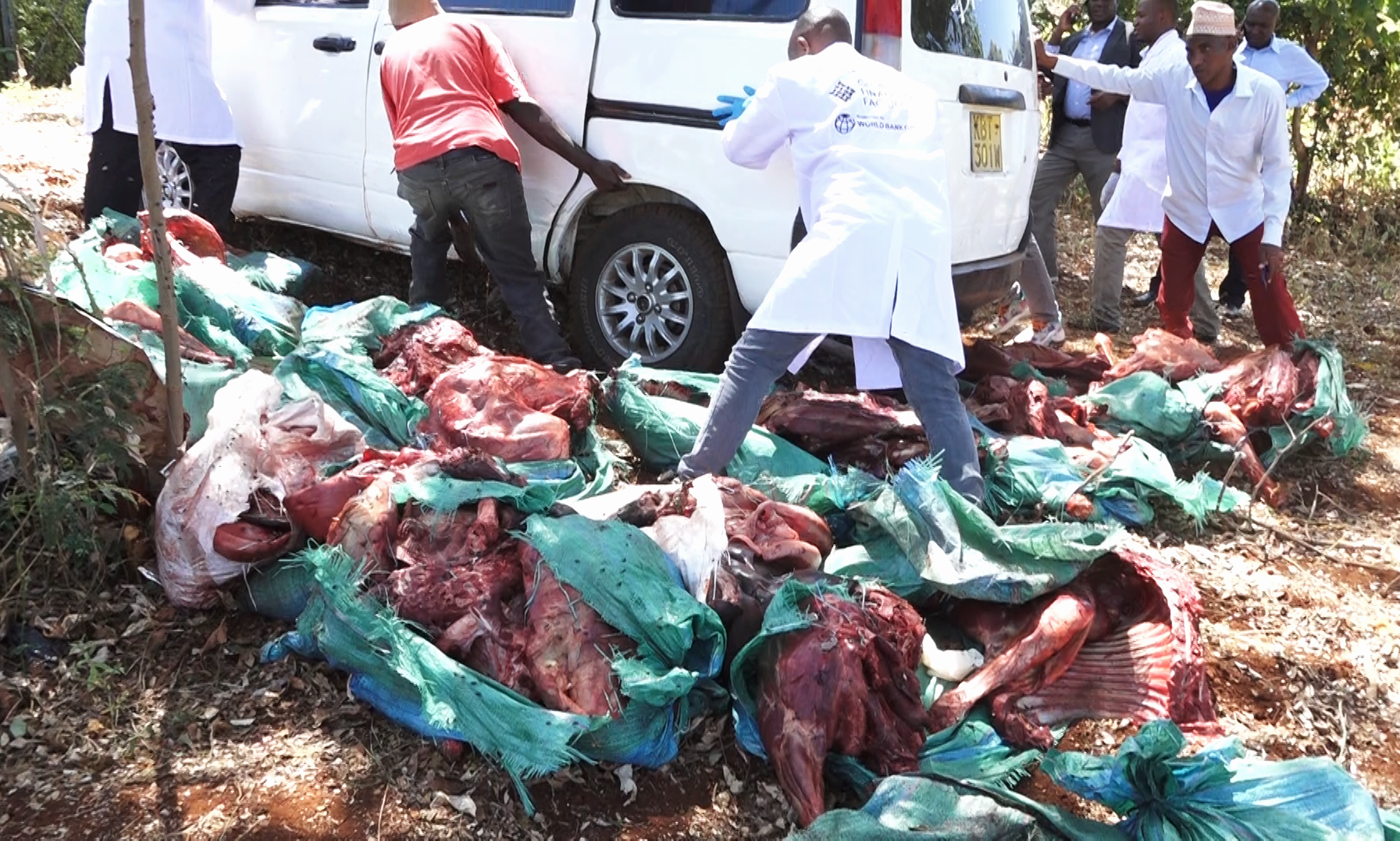
For many families in Kitui, donkeys are not just animals; they are their main source of income and a fundamental part of daily life. These hardworking beasts are used to transport goods, fetch water, and even support small-scale agricultural activities. When a donkey is stolen, the economic impact is immediate and devastating. Some households, already struggling to make ends meet, find themselves pushed deeper into poverty when their only means of transport disappears overnight. In response to this crisis, many residents have resorted to extreme measures to protect their animals. Some have built makeshift shelters to keep them close at night, while others stay up in shifts, keeping watch over their livestock. The fear of losing their donkeys has gripped the entire community, turning once peaceful villages into high-alert zones.
To truly understand the gravity of this crisis, one must appreciate the role donkeys play in rural Kenyan communities. These animals are not just beasts of burden; they are lifelines for thousands of families who rely on them for transportation, labor, and even social status. In places where modern transport is scarce or unaffordable, donkeys fill a crucial gap, making it possible for people to access markets, deliver goods, and fetch water from distant sources.
The theft of a donkey is equivalent to losing a vehicle in an urban setting. For women, especially those who run small businesses, donkeys make it possible to transport goods for sale, ensuring they can provide for their families. Farmers use donkeys to plow their fields, and schoolchildren rely on them for transportation to distant schools. The loss of even a single donkey can disrupt an entire household, forcing them to seek alternative, often more expensive, means of transport. This explains why the recent wave of donkey thefts has left many in despair, pushing some to take matters into their own hands in a bid to curb the menace.
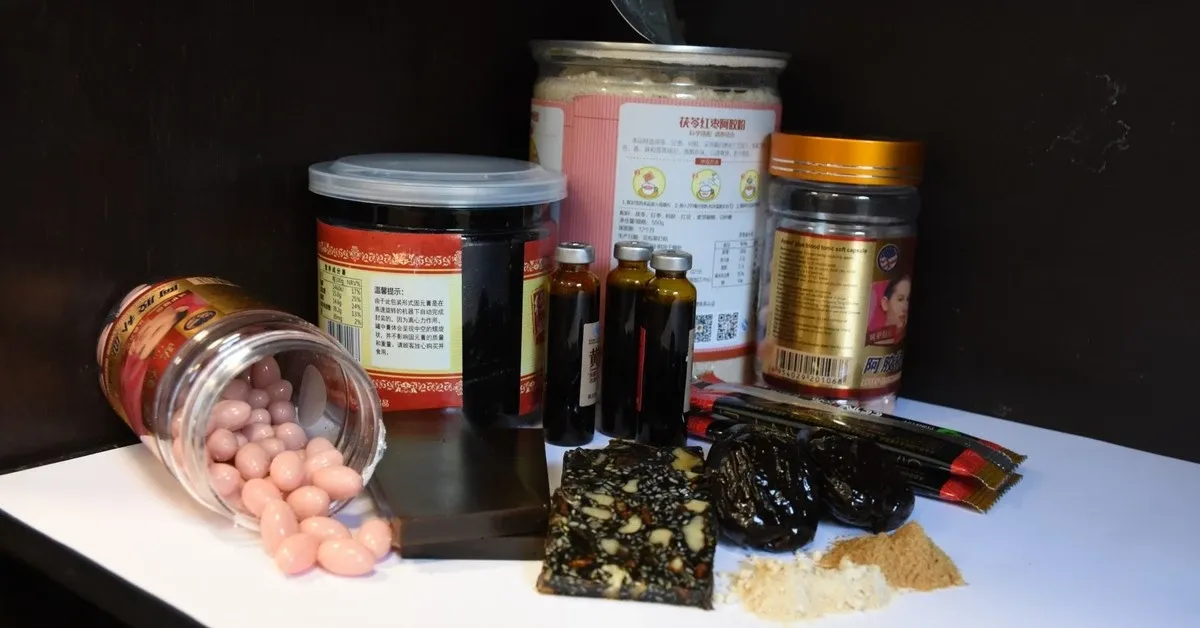
The rise in donkey theft is not an isolated phenomenon; it is part of a larger, highly profitable international trade. The primary driver behind this illegal activity is the booming demand for donkey skins, particularly in China. Donkey hides are used to produce "Ejiao," a traditional medicine believed to have numerous health benefits, including anti-aging properties and improved blood circulation. The soaring demand for this product has created a multi-million-dollar black market, fueling a relentless wave of theft and slaughter across Africa.
Kenya, with its large population of donkeys, has become a prime target for traffickers. Reports indicate that organized crime syndicates are operating in the country, recruiting locals to steal donkeys and transport them to secret slaughterhouses. These criminals often operate at night, moving quickly to avoid detection. They use crude methods to kill the animals before skinning them and disposing of their carcasses in remote areas. Some of the stolen donkeys are even transported across borders, making it harder for authorities to track and recover them.
Faced with the increasing theft of their donkeys, residents of Kitui have decided to take action. Community-led efforts, particularly by women’s groups, have emerged as a powerful force in the fight against this illegal trade. These women, many of whom rely on donkeys for their businesses, have formed neighborhood watch groups to keep an eye on suspicious activity. They work closely with local authorities, reporting any signs of donkey theft and assisting in identifying potential traffickers.
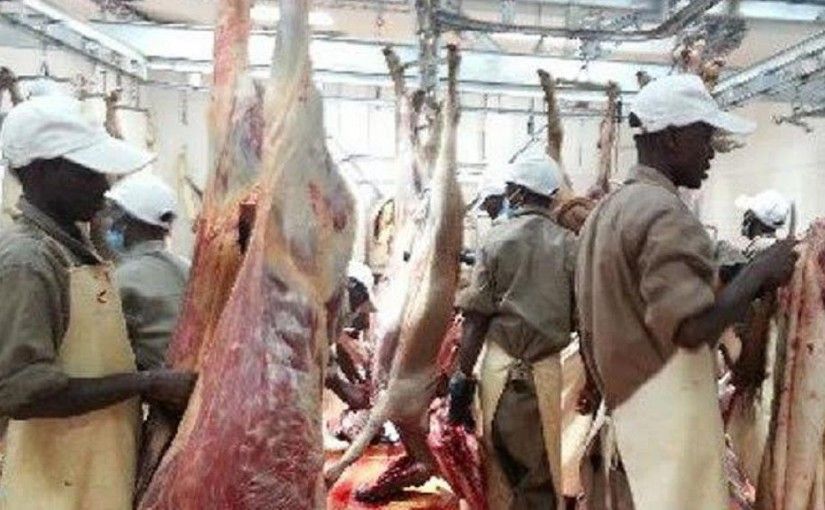
These vigilance groups have played a crucial role in recent crackdowns, leading to the discovery of illegal slaughterhouses and the rescue of stolen donkeys. Their efforts have also helped spread awareness about the issue, encouraging more people to report thefts and participate in safeguarding their livestock. However, their work is not without challenges. Many of these criminals are well-connected and have ways of evading capture. In some cases, locals who try to interfere with the trade face threats and intimidation. Despite these dangers, the community remains determined to protect what little they have left.
In response to the growing crisis, authorities have intensified efforts to crack down on the illegal donkey trade. Several operations have been launched in Kitui and other affected regions, leading to multiple arrests and the closure of secret slaughterhouses. However, despite these measures, the trade continues to thrive, largely due to the high profits involved and the difficulties in policing vast rural areas.
Beyond the economic impact, there is also a serious health concern associated with the illegal slaughter of donkeys. Unlike regulated meat industries, where hygiene and safety standards are observed, the clandestine nature of the donkey meat trade means that there are no proper checks in place. The slaughtering is often done in unhygienic conditions, increasing the risk of disease transmission. There is also the possibility that donkey meat is being mixed with other types of meat and sold to unsuspecting consumers. This poses a significant public health risk, as contaminated or improperly handled meat can lead to serious illnesses.
The recent arrests in Kitui highlight the urgent need for stronger laws and more aggressive enforcement to end the illegal donkey trade. While authorities are making progress, more needs to be done to dismantle the networks facilitating this business. Tougher penalties should be introduced for those caught engaging in donkey theft and illegal slaughter, and law enforcement agencies must be better equipped to handle these cases.
At the same time, community participation remains key. The success of local vigilance groups in uncovering illegal activities shows that when people work together, they can make a difference. By educating the public on the dangers of the illegal donkey trade and encouraging more people to report suspicious activity, the battle against this crisis can be won.
For the people of Kitui, the fight is not just about saving donkeys; it is about protecting their way of life, their economic stability, and their future. As long as the demand for donkey skins exists, the threat will persist, but with continuous efforts, resilience, and the right strategies, there is hope that this dark trade can be brought to an end.






0 comments