
Your Read is on the Way
Every Story Matters
Every Story Matters
The Hydropower Boom in Africa: A Green Energy Revolution Africa is tapping into its immense hydropower potential, ushering in an era of renewable energy. With monumental projects like Ethiopia’s Grand Ethiopian Renaissance Dam (GERD) and the Inga Dams in the Democratic Republic of Congo, the continent is gearing up to address its energy demands sustainably while driving economic growth.
Northern Kenya is a region rich in resources, cultural diversity, and strategic trade potential, yet it remains underutilized in the national development agenda.

Can AI Help cure HIV AIDS in 2025

Why Ruiru is Almost Dominating Thika in 2025

Mathare Exposed! Discover Mathare-Nairobi through an immersive ground and aerial Tour- HD

Bullet Bras Evolution || Where did Bullet Bras go to?
A simple yet groundbreaking innovation in Nairobi’s informal sector might be the key to solving the challenge of feeding thousands of schoolchildren daily. What started as a small experiment in automation has turned into a potential game-changer for Kenya’s school meal programs.
In many Kenyan homes and street kitchens, chapatis are a beloved staple. They are soft, filling, and easy to pair with different meals. But making them in large quantities is labor-intensive. Rolling the dough, flattening it into round discs, and cooking each one to perfection takes time, skill, and effort.
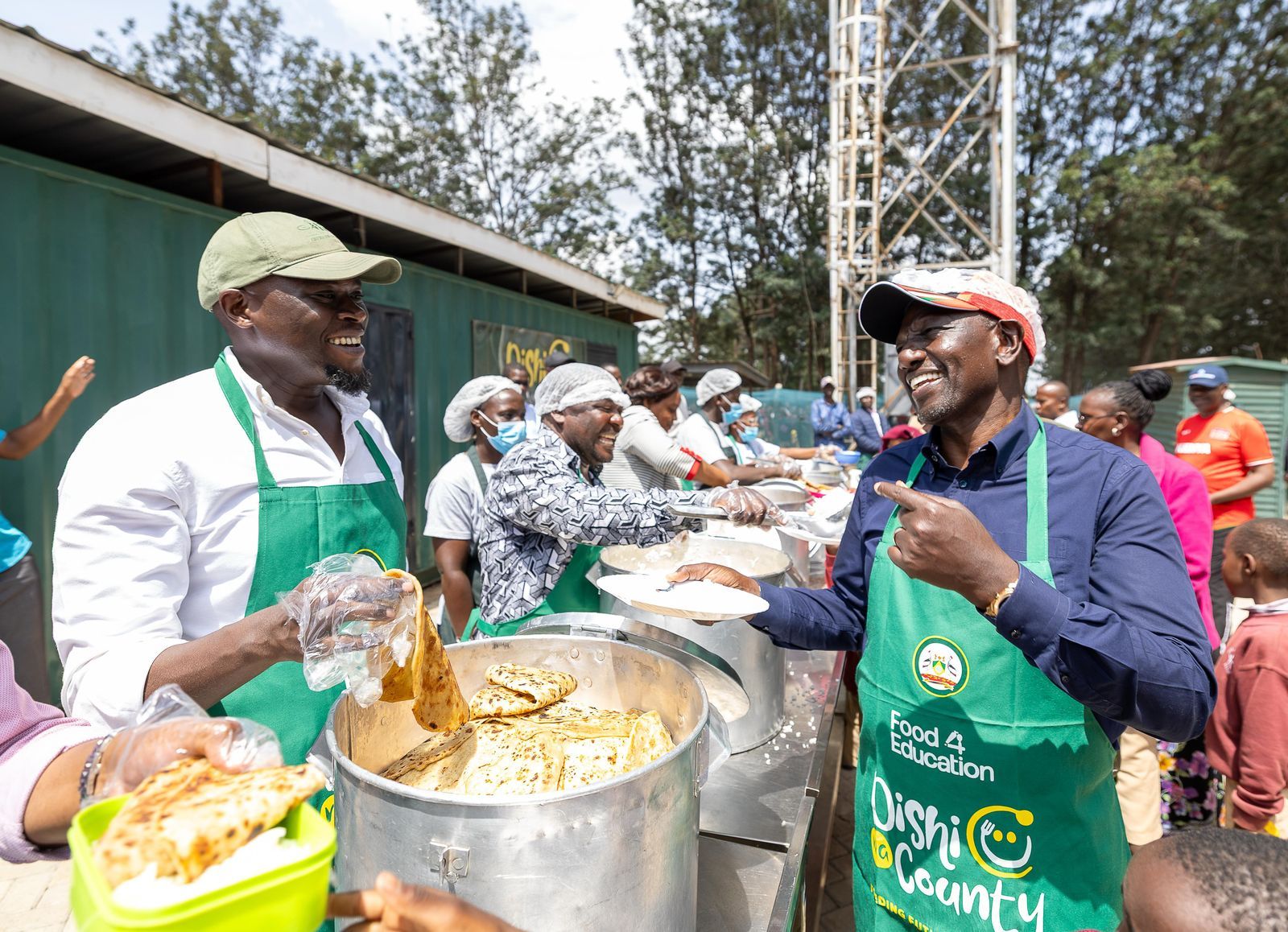
When Nairobi Governor Johnson Sakaja launched the Dishi na County school feeding program, the challenge became clear—how do you ensure thousands of students get fresh chapatis daily without overwhelming the county’s resources? The sheer volume needed—one million chapatis every day—seemed nearly impossible to produce without industrial-scale equipment.
President William Ruto pledged to support the initiative by funding a chapati-making machine that could meet the demand. But was such a machine available in Kenya? Could local manufacturers deliver on this ambitious goal?
Deep in Nairobi’s Jua Kali sector, where skilled artisans build and repair everything from furniture to mechanical parts, one man was already ahead of the curve. Edwin Mwendo, a self-taught innovator, had spent years in the food industry, initially making chapatis by hand before shifting his focus to automation.
Frustrated by the slow process of making chapatis manually, Mwendo looked for a way to increase efficiency. His inspiration came from an unexpected source—the pizza press. If pizzerias could use machines to flatten dough into perfectly round shapes, why couldn’t the same concept be applied to chapatis?
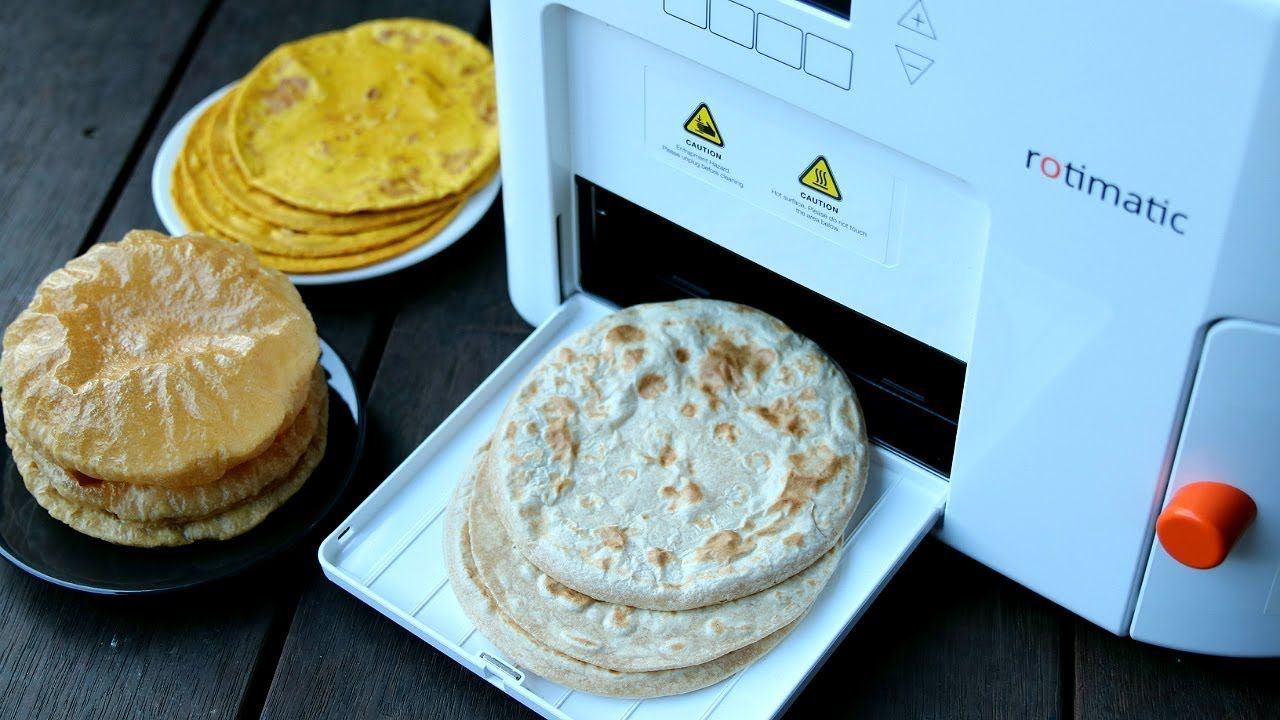
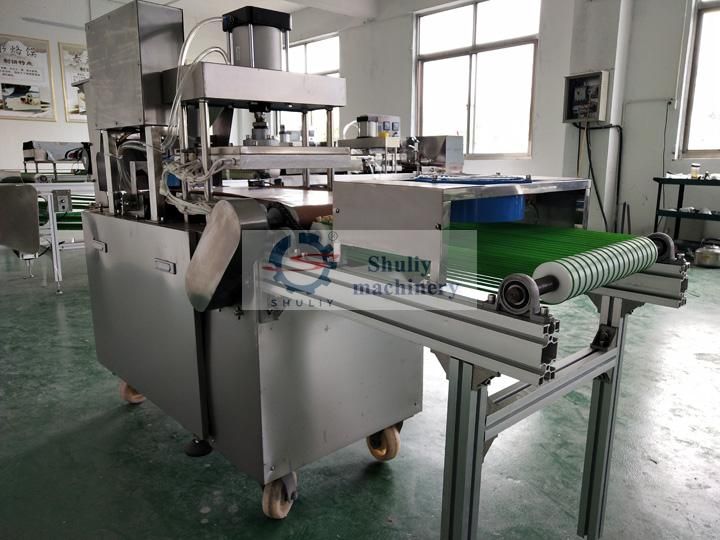
With this idea in mind, Mwendo built a chapati-making machine that combines multiple steps of the process:
The result was a machine capable of producing 3,000 chapatis per day with minimal human effort.
Scaling up Mwendo’s innovation could make the dream of feeding Nairobi’s students a reality. By distributing 2,333 of his machines to different schools, the county could collectively produce one million chapatis per day.
This decentralized approach has several advantages:
Mwendo has proven that mass food production doesn’t always require expensive, foreign-made equipment. With the right support, Kenya’s local innovators can develop solutions that are just as effective—if not better—than imported alternatives.
Producing one million chapatis daily comes with significant resource needs. Based on current estimates:

However, instead of investing in a single massive facility, decentralizing production to schools with locally built machines could lower costs and create a more sustainable model.
Mwendo’s success story is just one example of the untapped potential within Kenya’s informal sector. Across the country, young innovators are developing groundbreaking solutions in food production, mechanics, and renewable energy.
Despite their talent, many struggle to access funding, recognition, and government support. Mwendo believes that if more resources were funneled into local manufacturing and automation, Kenya could become self-reliant in multiple industries.
He envisions a future where small-scale manufacturers are empowered to produce high-quality machines tailored to local needs—eliminating the need for expensive imports and fostering national economic growth.
For this vision to become a reality, key stakeholders need to step in:
By backing homegrown innovations like Mwendo’s, Kenya can reduce its reliance on foreign technology, create jobs, and build a more self-sufficient economy.
At first glance, a chapati-making machine might not seem like a groundbreaking invention. But in a country where food security and job creation are ongoing challenges, it represents something much bigger.
It’s a sign that solutions to Kenya’s most pressing problems don’t always have to come from abroad. Sometimes, the best ideas are right here—waiting for the right opportunity to shine.






0 comments