
Your Read is on the Way
Every Story Matters
Every Story Matters
The Hydropower Boom in Africa: A Green Energy Revolution Africa is tapping into its immense hydropower potential, ushering in an era of renewable energy. With monumental projects like Ethiopia’s Grand Ethiopian Renaissance Dam (GERD) and the Inga Dams in the Democratic Republic of Congo, the continent is gearing up to address its energy demands sustainably while driving economic growth.
Northern Kenya is a region rich in resources, cultural diversity, and strategic trade potential, yet it remains underutilized in the national development agenda.

Can AI Help cure HIV AIDS in 2025

Why Ruiru is Almost Dominating Thika in 2025
Mathare Exposed! Discover Mathare-Nairobi through an immersive ground and aerial Tour- HD

Bullet Bras Evolution || Where did Bullet Bras go to?
David Oaga Mokaya, a university student with a passion for online activism, never imagined his tweet would land him in a courtroom. When he shared an image of a casket draped in the Kenyan flag, accompanied by a caption that questioned the nation's leadership, he believed he was engaging in political satire. Instead, he found himself accused of disseminating false information, setting off a legal battle that could redefine the boundaries of free speech in the digital era.
The tweet quickly went viral, sparking heated debates on social media platforms. Some users saw it as a bold critique of governance, while others decried it as reckless misinformation. Government officials reacted strongly, calling for swift action against the spread of misleading narratives. As authorities investigated the matter, Mokaya was arrested and charged under stringent laws governing digital communication.
The prosecution claims that Mokaya’s post was misleading and incited public disorder, alleging that the image was manipulated to suggest the demise of a high-ranking political figure. The authorities argue that, given the sensitive political climate, such posts can trigger unnecessary panic and destabilize public confidence in the government. They insist that Mokaya’s actions violated national laws on cybercrimes and digital misinformation, which carry severe penalties.
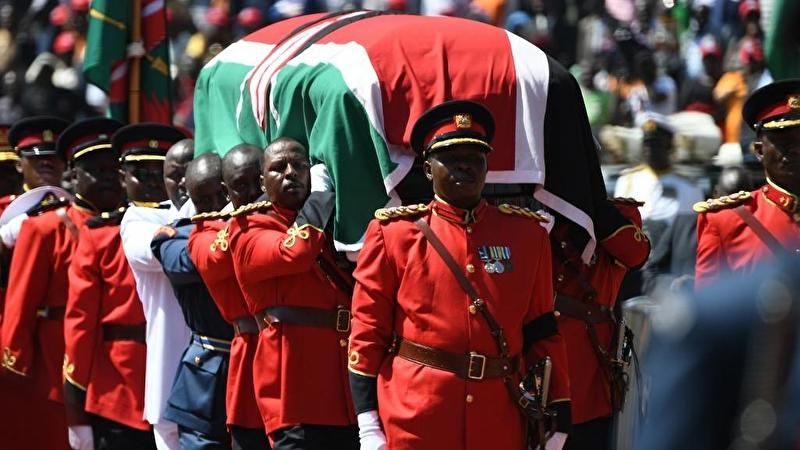
However, the student and his defense team argue that his post was nothing more than political commentary, an act of satire meant to provoke discourse rather than deceive the public. They claim that the prosecution’s stance represents a dangerous precedent—one that could muzzle public opinion and silence dissenting voices under the pretext of maintaining order.
Mokaya, represented by prominent attorney Danstan Omari, has consistently questioned the legitimacy of the charges. He has demanded clarity on whether President William Ruto himself would testify in court, a move that has added a layer of intrigue to the proceedings. Omari argues that political figures, especially those in positions of power, should be open to scrutiny and criticism from citizens, as this is fundamental to a democratic society.
The Law Society of Kenya (LSK) has also entered the debate, challenging the jurisdiction of the case and raising concerns over the implications for digital expression. They argue that prosecuting a student over an online post amounts to state overreach and that Kenya’s democratic principles are at stake. Free speech advocates have also rallied behind Mokaya, seeing his case as a test of whether the government will tolerate opposing voices in an era of increasing digital surveillance.
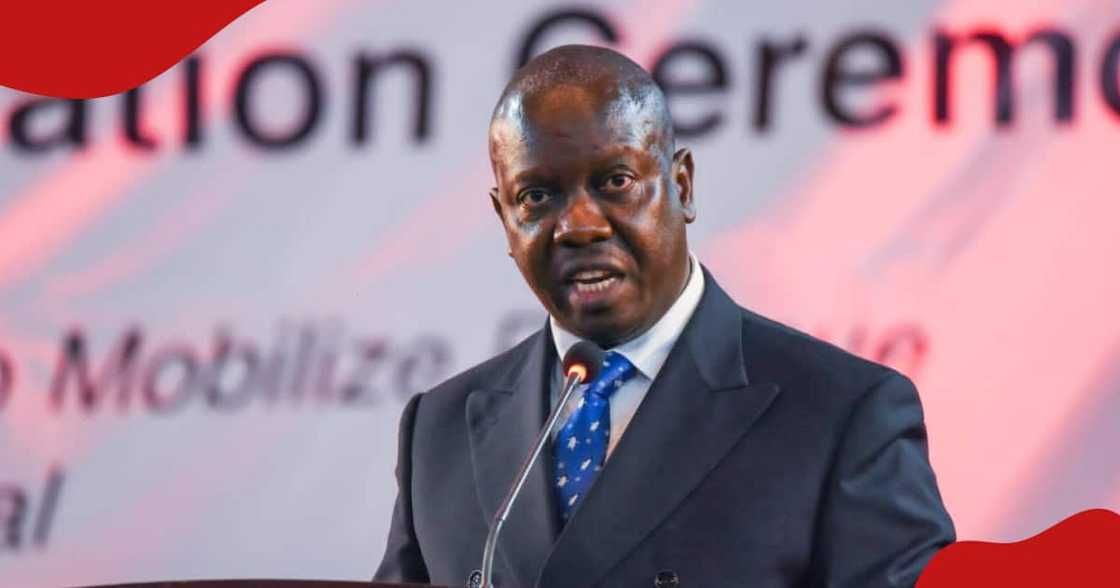
During a recent court session, the prosecution confirmed that the Director of Public Prosecutions (DPP) had not instructed the withdrawal of charges, ensuring the case would proceed to full trial. The judge presiding over the matter ruled that the trial would commence on May 29, allowing both sides to present their arguments and evidence in what is expected to be a landmark case for digital rights.
The defense, though critical of the charges, did not object to the trial date, signaling their readiness to fight for Mokaya’s right to free expression. Meanwhile, activists and legal experts continue to weigh in, with some arguing that the case exposes inconsistencies in Kenya’s approach to online speech regulation. Others worry that a guilty verdict could embolden authorities to crack down on dissenting voices, further shrinking the space for political critique and activism.
Set for May 29, the trial has sparked national discussions on the thin line between misinformation and political critique. The outcome of the case could determine how Kenya navigates the complex landscape of free speech, digital misinformation, and political satire. If Mokaya is convicted, it could set a precedent that discourages open criticism of leadership, potentially paving the way for more restrictive online regulations.
On the other hand, an acquittal could reinforce the notion that free speech must be protected, even in the digital realm. The case also highlights the increasing tension between governments and social media users, as authorities worldwide grapple with how to regulate online content without infringing on fundamental rights. Will the court rule in favor of censorship, or will it uphold the right to critique authority without fear? The answer may shape the future of online activism in the country






0 comments