
Your Read is on the Way
Every Story Matters
Every Story Matters
The Hydropower Boom in Africa: A Green Energy Revolution Africa is tapping into its immense hydropower potential, ushering in an era of renewable energy. With monumental projects like Ethiopia’s Grand Ethiopian Renaissance Dam (GERD) and the Inga Dams in the Democratic Republic of Congo, the continent is gearing up to address its energy demands sustainably while driving economic growth.
Northern Kenya is a region rich in resources, cultural diversity, and strategic trade potential, yet it remains underutilized in the national development agenda.

Can AI Help cure HIV AIDS in 2025

Why Ruiru is Almost Dominating Thika in 2025

Mathare Exposed! Discover Mathare-Nairobi through an immersive ground and aerial Tour- HD

Bullet Bras Evolution || Where did Bullet Bras go to?
It all began with a single, striking display in Namanga—an artistic and imposing sign that proudly declared “I Love Namanga.” The design was elegant, featuring bold lettering with a deep red heart symbol, standing prominently at TLV Rooftop, a well-known entertainment hub near the Kenya-Tanzania border. Flags of East African nations fluttered above it, reinforcing a sense of regional unity. It was a masterpiece in its own right, instantly drawing attention and setting the tone for what could have been a unique local attraction.
Before long, this simple yet effective concept gained momentum. Visitors flocked to Namanga, snapping photos beside the now-iconic sign and sharing them across social media platforms. It became a must-see landmark, not just for travelers crossing the border but also for local adventurers seeking a perfect backdrop for their memories. The sign captured the essence of pride, travel, and identity, and for a moment, it seemed like a fresh new way for Kenyan towns to market themselves.
But as with all things that gain rapid popularity, imitation soon followed—only this time, the charm would be lost along the way.
The first wave of replication began subtly. Sagana took note of Namanga’s success and decided to unveil its own version, placing the sign strategically along the Nyeri-Nairobi Highway near a vibrant entertainment hub. The positioning made sense—high visibility, a steady flow of visitors, and an atmosphere that matched the upbeat, welcoming nature of the display. It was a commendable effort, showing that other towns could indeed personalize the idea while keeping its original appeal intact.
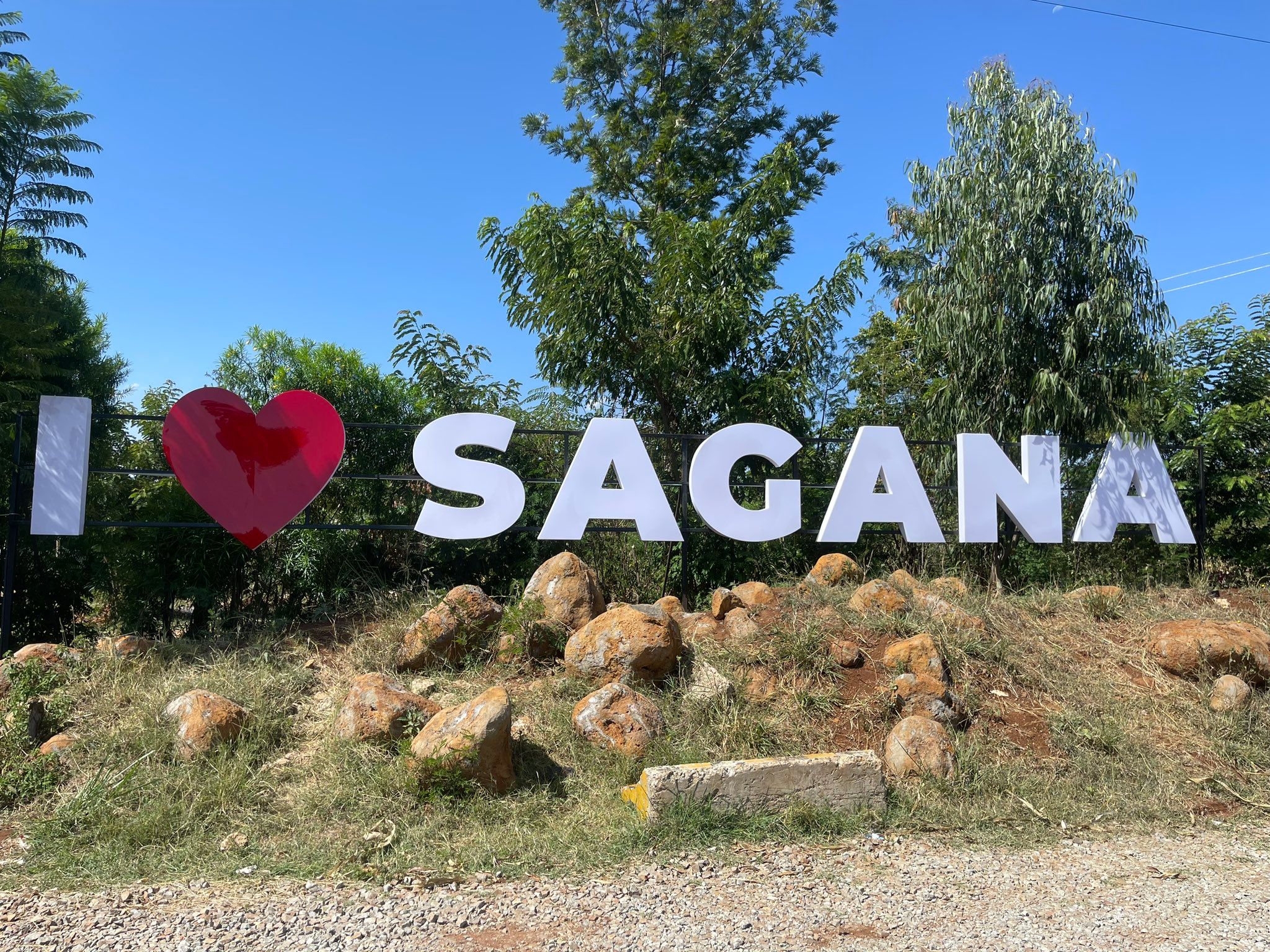
However, as the trend continued to catch on, the execution became increasingly careless. Mwea, a town known for its vast rice fields and bustling roadside economy, hastily jumped onto the bandwagon. Instead of finding a scenic or strategic location, they installed their version of the sign in an unremarkable spot—right by the main highway, surrounded by dusty kiosks, boda boda riders, and a few stray donkeys trotting along. The backdrop hardly complemented the message of love and pride, making it seem more like an afterthought than a carefully planned landmark.
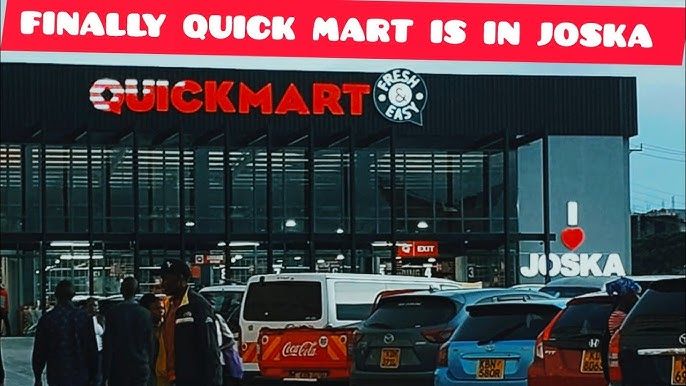
Soon, other towns followed in quick succession, each unveiling their own “I Love (Town Name)” signage without much thought to aesthetics, placement, or relevance. Kiambu, Karen, Kileleshwa, Joska, and Baringo all joined the frenzy, each erecting signs that, instead of enhancing their landscapes, added to the visual clutter of already chaotic roadsides. What had initially been a symbol of civic pride was now becoming an exercise in repetition and laziness.
When the first few signs popped up, they carried an air of excitement and novelty. People traveling through these towns stopped to take pictures, posting them online with pride. It felt like a movement—a way for different regions to express their unique charm in a visually appealing manner. But as more and more towns scrambled to replicate the idea, it became painfully evident that no real thought was going into the execution
In Kiambu, for example, the sign was placed in a completely uninspiring location—right along Kiambu Road, wedged between a busy Quickmart supermarket and a chicken seller’s stall. The placement did nothing to elevate the town’s appeal. Instead of standing out as a cultural or tourism landmark, the sign was buried amid the daily chaos of honking matatus, hurried pedestrians, and roadside businesses. It was hardly the kind of scene that evoked love or admiration for the town.
The situation in Mwea was no better. Here, the sign was not only placed along a dusty, noisy roadside, but it also became an unintended resting spot for the local eccentric—a man who regularly sprawled underneath it on random afternoons, turning what should have been a point of attraction into a source of amusement and ridicule. The lack of vision in placing these signs was becoming glaringly obvious.
As more towns rushed to participate, the trend spiraled into absurdity. It was no longer about civic identity or creating beautiful landmarks; it had devolved into a game of “who can put up a sign the fastest?” without any regard for quality or impact.
Of all the misguided attempts, one town stood out for its particularly disastrous execution—Meru. Unlike its predecessors, which at least had sturdy letters and professionally designed hearts, Meru’s sign was a pitiful mess. The lettering looked hastily cut from thin carton strips, loosely fastened together in a way that made the entire structure seem like it would collapse with the slightest gust of wind. The heart symbol, which was supposed to be a defining feature of the design, resembled something hastily drawn by a child in a last-minute homework assignment.
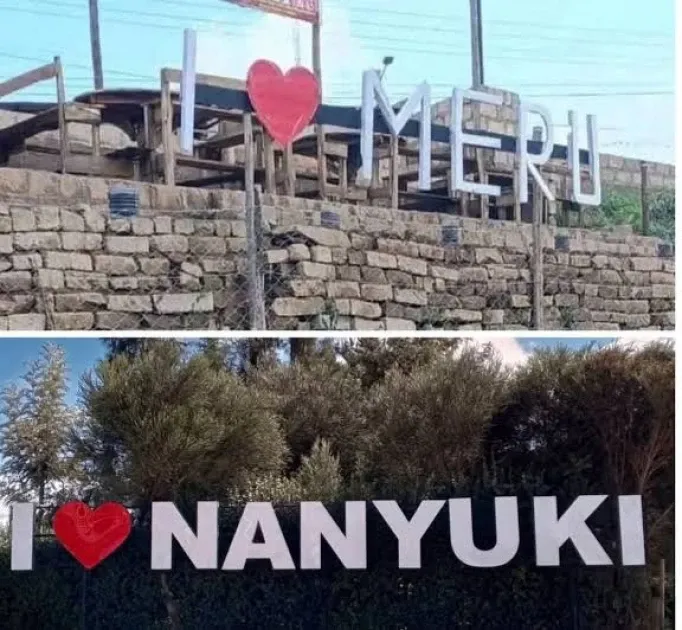
It was not just uninspiring—it was embarrassing. At least other towns had the decency to make their signs structurally sound, even if the placement was questionable. The “I Love Meru” sign, on the other hand, looked like a joke, an afterthought that was neither visually appealing nor structurally competent.
Kenyan towns deserve better than this. The original “I Love Namanga” sign was successful because it was well-placed, well-designed, and carried a sense of identity. It was a landmark that travelers could genuinely admire. But what we see now is a diluted, uninspired trend that has reduced a once-brilliant idea into a nationwide eyesore.
Instead of blindly copying Namanga’s success, towns should focus on creating unique landmarks that reflect their true essence. A well-thought-out mural, a culturally significant monument, or even a beautifully landscaped welcome sign could serve the same purpose while adding real value to the town’s identity.
There is still time to reclaim the spirit behind the original idea, but that can only happen if future installations are done with careful planning and genuine creativity. If not, Kenya’s roads will continue to be littered with meaningless, forgettable signs that do nothing but contribute to visual pollution.






0 comments