
Your Read is on the Way
Every Story Matters
Every Story Matters
The Hydropower Boom in Africa: A Green Energy Revolution Africa is tapping into its immense hydropower potential, ushering in an era of renewable energy. With monumental projects like Ethiopia’s Grand Ethiopian Renaissance Dam (GERD) and the Inga Dams in the Democratic Republic of Congo, the continent is gearing up to address its energy demands sustainably while driving economic growth.
Northern Kenya is a region rich in resources, cultural diversity, and strategic trade potential, yet it remains underutilized in the national development agenda.

Can AI Help cure HIV AIDS in 2025

Why Ruiru is Almost Dominating Thika in 2025

Mathare Exposed! Discover Mathare-Nairobi through an immersive ground and aerial Tour- HD

Bullet Bras Evolution || Where did Bullet Bras go to?
In recent months, Elon Musk has made several public appearances that triggered a wave of speculation about his physical condition. A noticeable bruise beneath one of his eyes stirred questions online, with some assuming it might indicate stress, exhaustion, or even something more troubling.
While Musk attributed the injury to roughhousing with one of his children, the unexplained timing and lack of formal clarification have left room for theories and public debate. His presence in high-profile events, paired with an increasingly weary appearance, has only intensified the public's interest.
Aside from physical appearance, the tech mogul is facing allegations tied to substance use. These rumors—mostly amplified by online commentary and former associates—center around his supposed use of controlled substances such as ketamine and stimulants.
Speculation suggests he might be relying on medication for performance enhancement or mood regulation. While Musk has publicly denied frequent or recreational use of drugs, the persistence of such rumors—especially in the context of Silicon Valley’s pressure-filled environment—continues to cast a shadow.
Observers have noted Musk’s increasingly erratic schedule and controversial late-night posts, which some see as indicative of deeper issues. His intense work ethic, combined with personal stressors, may be taking a visible toll.
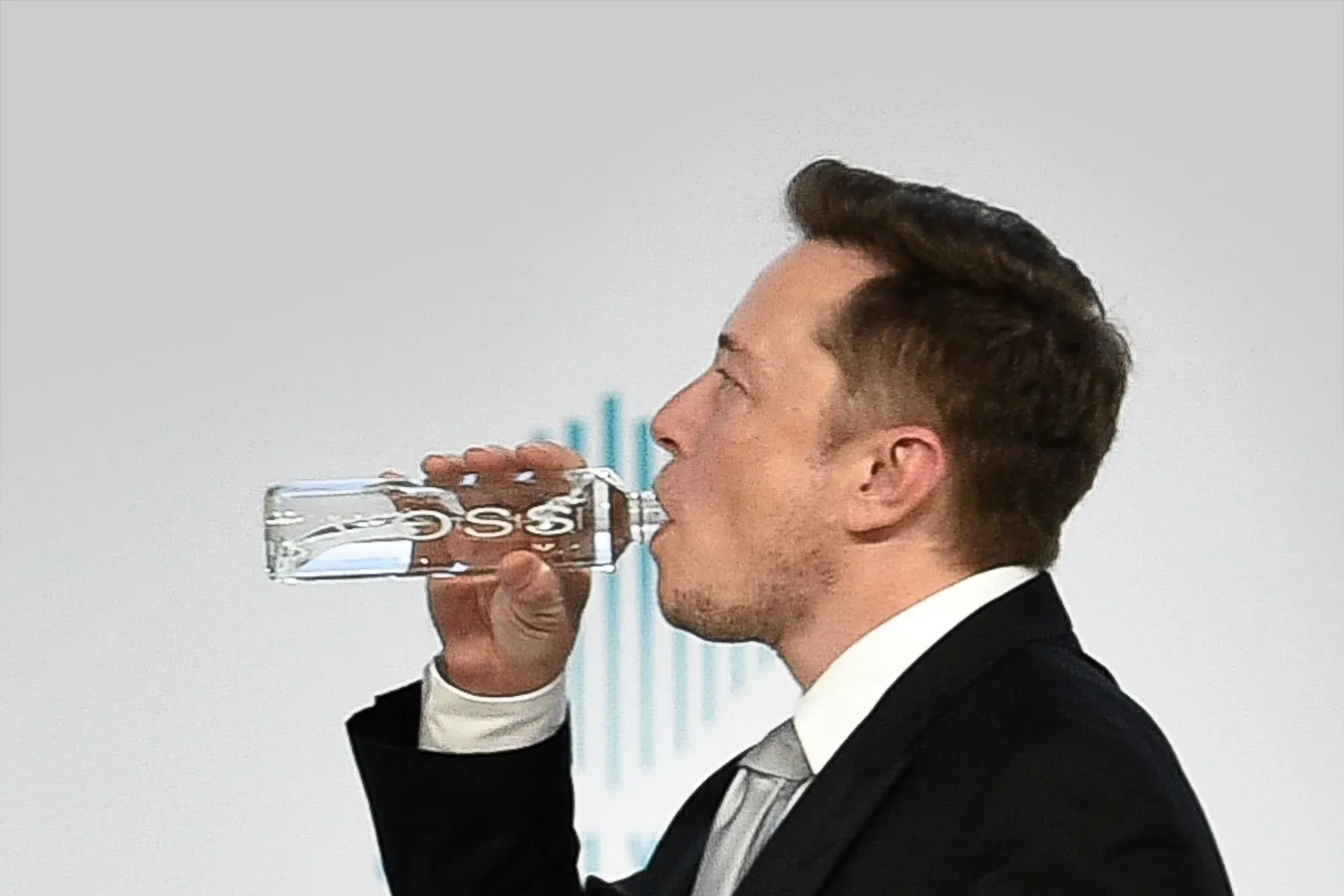
Long nights, excessive travel, and the weight of running multiple global corporations are contributing factors that could reasonably explain his physical changes—without needing to confirm drug use. Nonetheless, the media and public remain fixated on piecing together a narrative of health decline or behavioral instability.
With SpaceX, Tesla, X (formerly Twitter), and Neuralink all depending on his vision and leadership, any doubt about Musk’s well-being has serious business implications. Investors, stakeholders, and even competitors are watching closely.
For them, any hint of vulnerability—whether from physical injuries or rumored substance use—can shake confidence and affect market behavior. The expectation is that someone wielding this level of influence must maintain not only intellectual rigor but also physical and emotional balance.
What remains clear is that Elon Musk is a uniquely polarizing figure. His public life often blurs with his private one, drawing both admiration and intense scrutiny. As a father, innovator, and public icon, the boundaries between his personal choices and public responsibilities continue to erode.
The swirling rumors about health, family interactions, and behavior patterns reflect more than celebrity gossip—they symbolize the cultural fascination with figures who seem untouchable, yet unmistakably human.






0 comments