
Your Read is on the Way
Every Story Matters
Every Story Matters
The Hydropower Boom in Africa: A Green Energy Revolution Africa is tapping into its immense hydropower potential, ushering in an era of renewable energy. With monumental projects like Ethiopia’s Grand Ethiopian Renaissance Dam (GERD) and the Inga Dams in the Democratic Republic of Congo, the continent is gearing up to address its energy demands sustainably while driving economic growth.
Northern Kenya is a region rich in resources, cultural diversity, and strategic trade potential, yet it remains underutilized in the national development agenda.

Can AI Help cure HIV AIDS in 2025

Why Ruiru is Almost Dominating Thika in 2025

Mathare Exposed! Discover Mathare-Nairobi through an immersive ground and aerial Tour- HD

Bullet Bras Evolution || Where did Bullet Bras go to?
In an unprecedented move, the Anglican Church of Kenya (ACK) has drawn a firm line between faith and politics. On Sunday, March 16, 2025, during a high-profile church event in Nairobi’s Makadara constituency, former Deputy President Rigathi Gachagua, Wiper Party leader Kalonzo Musyoka, and Nairobi Governor Johnson Sakaja found themselves on the receiving end of a new policy barring politicians from addressing congregations.
For years, Kenyan politicians have used churches as strategic platforms to address the public, leveraging religious gatherings to push their political agendas, rally supporters, and even criticize their opponents. However, this long-standing practice faced an unexpected roadblock when Archbishop Jackson Ole Sapit took to the stage and delivered a firm message that no politician would be granted an opportunity to speak inside the church. The announcement caught many off guard, including leaders accustomed to addressing congregants after making hefty donations. What was expected to be a routine event with political undertones quickly turned into a defining moment in the relationship between the church and Kenya’s political class.
The event, which marked the consecration and enthronement of Bishop Canon Jonathan Kabiru, was attended by various dignitaries from both the ruling Kenya Kwanza coalition and opposition factions. Many expected the church service to become yet another political showdown, with leaders using the platform to exchange barbs and promote their agendas. However, Archbishop Sapit’s declaration left no room for ambiguity—the church would no longer be used as a stage for political rhetoric.
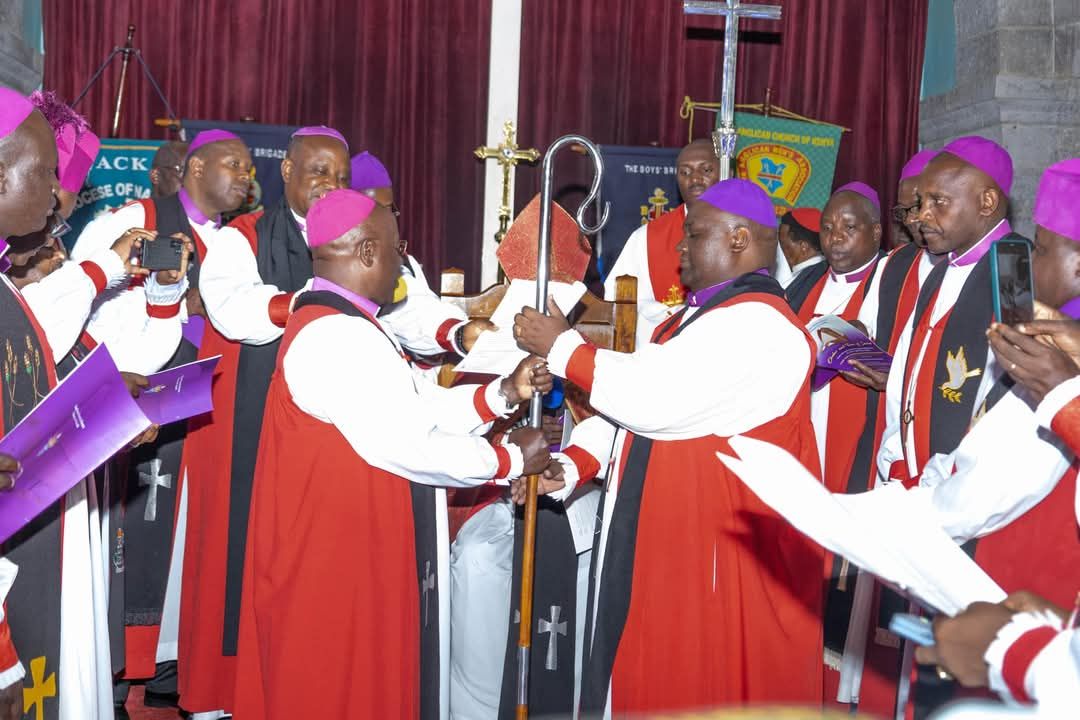
The Archbishop’s statement was direct and uncompromising. “From today henceforth, in any Anglican congregation, no political leader will have an opportunity to speak in the church,” he stated, making it clear that the new rule would be enforced across all ACK churches in the country. There would be no exceptions, no last-minute compromises, and no influence from political figures seeking special treatment. This was a bold step aimed at restoring the sanctity of religious spaces and ensuring that worship remained the sole focus of church gatherings.
To further remove political influence, the Archbishop declared that politicians attending ACK services would only be recognized by name. They would not be given the microphone, nor would they be allowed to address the congregants directly. Instead, they could simply wave at the attendees if they wished to acknowledge their presence. The move stripped away the long-standing tradition where political leaders used church platforms to connect with their supporters, announce campaign plans, or critique government policies under the guise of religious fellowship.
In addition to banning political speeches, the church also introduced a new policy regarding financial contributions. Donations made by politicians would still be accepted, but they would not be publicly announced or acknowledged. Previously, church leaders would often read out the names of contributors and the amounts they donated, allowing politicians to gain public recognition for their generosity. This practice, however, would be discontinued, with contributions being handled discreetly to prevent the perception that the pulpit was being used as a transactional space where money bought influence.
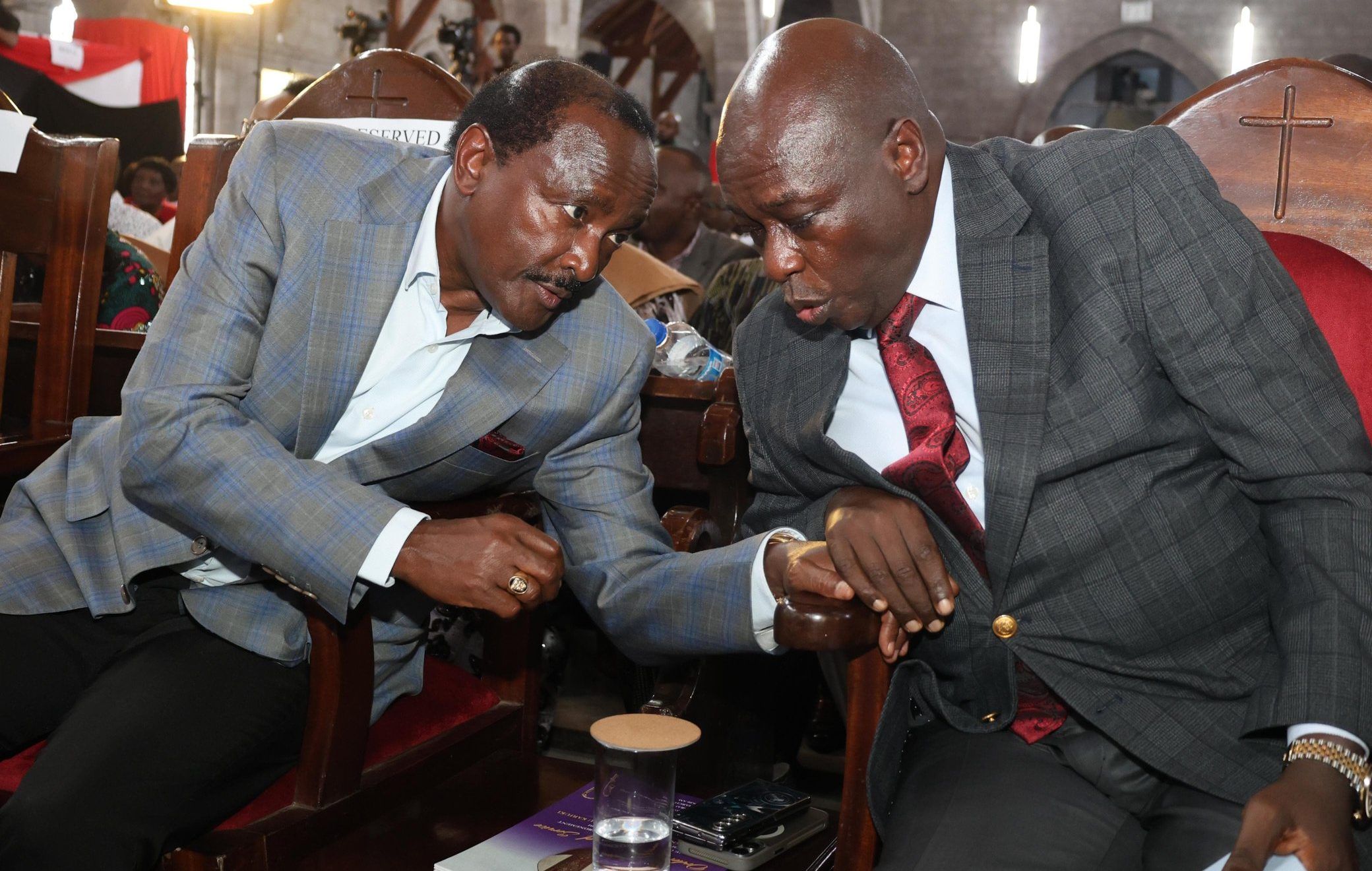
The decision to bar political speeches and publicized donations did not come in isolation. It is part of a growing movement by religious institutions to reclaim their independence from the overwhelming influence of political figures. Over the years, Kenyan politicians have seamlessly blended religion and politics, frequently attending church services where they make large financial contributions while using the pulpit to sway public opinion. The move by the Anglican Church of Kenya signals a significant shift—one that challenges the deep-rooted entanglement between faith and governance.
This directive comes amid heightened political tensions, with the relationship between President William Ruto’s administration and the opposition growing increasingly strained. Church services have often provided a convenient venue for politicians to make controversial statements without the constraints of parliamentary decorum. In a recent church gathering, for example, Gachagua made sensational claims that President Ruto had auctioned the Bomas of Kenya to a Turkish businessman—an allegation the government swiftly denied. Such instances have led to concerns that political leaders are weaponizing religious platforms to spread propaganda and shape narratives in their favor.
President Ruto himself has come under scrutiny for his deep involvement in church affairs. His frequent attendance at religious functions, coupled with his substantial financial contributions, has raised questions about whether the church is being used as a political tool. While his supporters argue that his actions reflect a deep personal faith, critics see it as a calculated strategy to consolidate his influence among religious communities. With the ACK’s new directive, such practices may no longer hold the same power they once did.
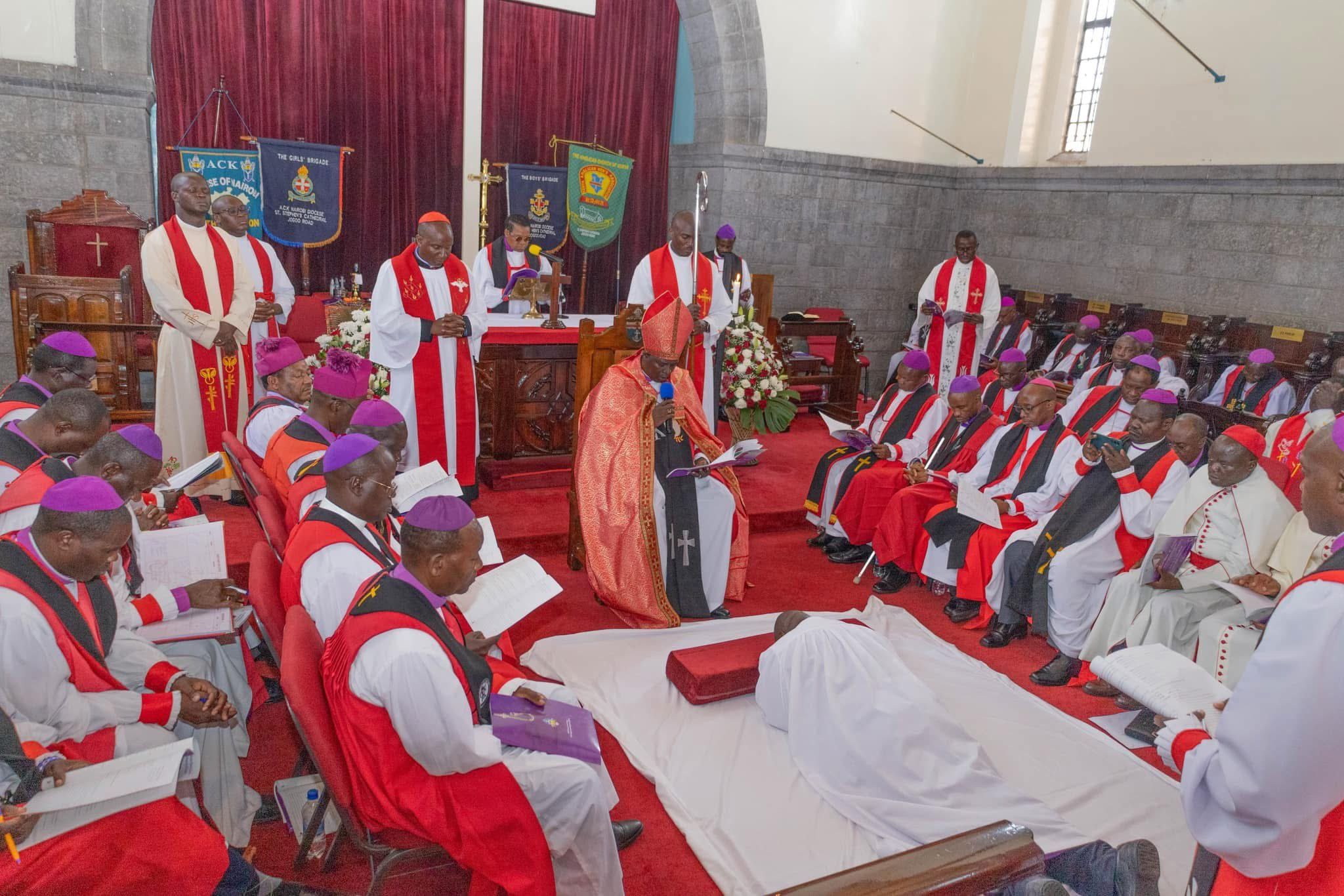
The Anglican Church’s decision to ban political speeches within its sanctuaries is likely to have far-reaching implications. Other religious denominations may now face pressure to adopt similar policies, particularly as concerns grow over the increasing politicization of places of worship. If other major churches follow suit, Kenyan politicians may be forced to find alternative platforms to engage with the public—ones that do not involve leveraging religious spaces for political gain.
This move also raises questions about how politicians will respond. Will they push back against the decision and attempt to find loopholes to maintain their presence in church gatherings? Or will they respect the church’s stance and seek new ways to connect with their supporters? The political class has long been accustomed to using religious spaces to their advantage, and it remains to be seen whether they will willingly relinquish that privilege.
For now, one thing is certain: the Anglican Church of Kenya has set a precedent, making it clear that the pulpit is no longer a political battleground. Whether this decision marks the beginning of a broader movement among religious institutions remains to be seen. However, the message is unmistakable—when it comes to worship, politics must take a backseat.






0 comments