
Your Read is on the Way
Every Story Matters
Every Story Matters
The Hydropower Boom in Africa: A Green Energy Revolution Africa is tapping into its immense hydropower potential, ushering in an era of renewable energy. With monumental projects like Ethiopia’s Grand Ethiopian Renaissance Dam (GERD) and the Inga Dams in the Democratic Republic of Congo, the continent is gearing up to address its energy demands sustainably while driving economic growth.
Northern Kenya is a region rich in resources, cultural diversity, and strategic trade potential, yet it remains underutilized in the national development agenda.

Can AI Help cure HIV AIDS in 2025

Why Ruiru is Almost Dominating Thika in 2025

Mathare Exposed! Discover Mathare-Nairobi through an immersive ground and aerial Tour- HD

Bullet Bras Evolution || Where did Bullet Bras go to?
Each year, the Met Gala unfolds not just as a fashion spectacle but as a tightly curated performance, choreographed around one powerful but understated directive: the dress code. While the world watches celebrities glide up the iconic steps of the Met, what they’re really witnessing is a coded conversation—between history, art, and ambition.
Every Met Gala comes with a theme, dictated by the Metropolitan Museum of Art’s Costume Institute. This theme isn't a loose suggestion—it's a conceptual anchor. Think of it as a museum exhibition brought to life. From “Heavenly Bodies” to “Camp: Notes on Fashion,” each theme invites commentary on art history, religion, identity, and society. Attendees aren’t just dressing up—they’re responding to an intellectual provocation. Dress codes ensure this visual dialogue stays coherent and compelling.
Unlike red carpets, where personal branding usually dominates, the Met Gala flips the script. Here, how well you interpret the theme often eclipses how “hot” you look. The dress code forces the elite to play within a frame—think couture chess, not fast fashion roulette. This tension between self-expression and thematic fidelity makes the night thrilling. Who followed the rules brilliantly? Who dared to break them? Who misunderstood the assignment altogether?
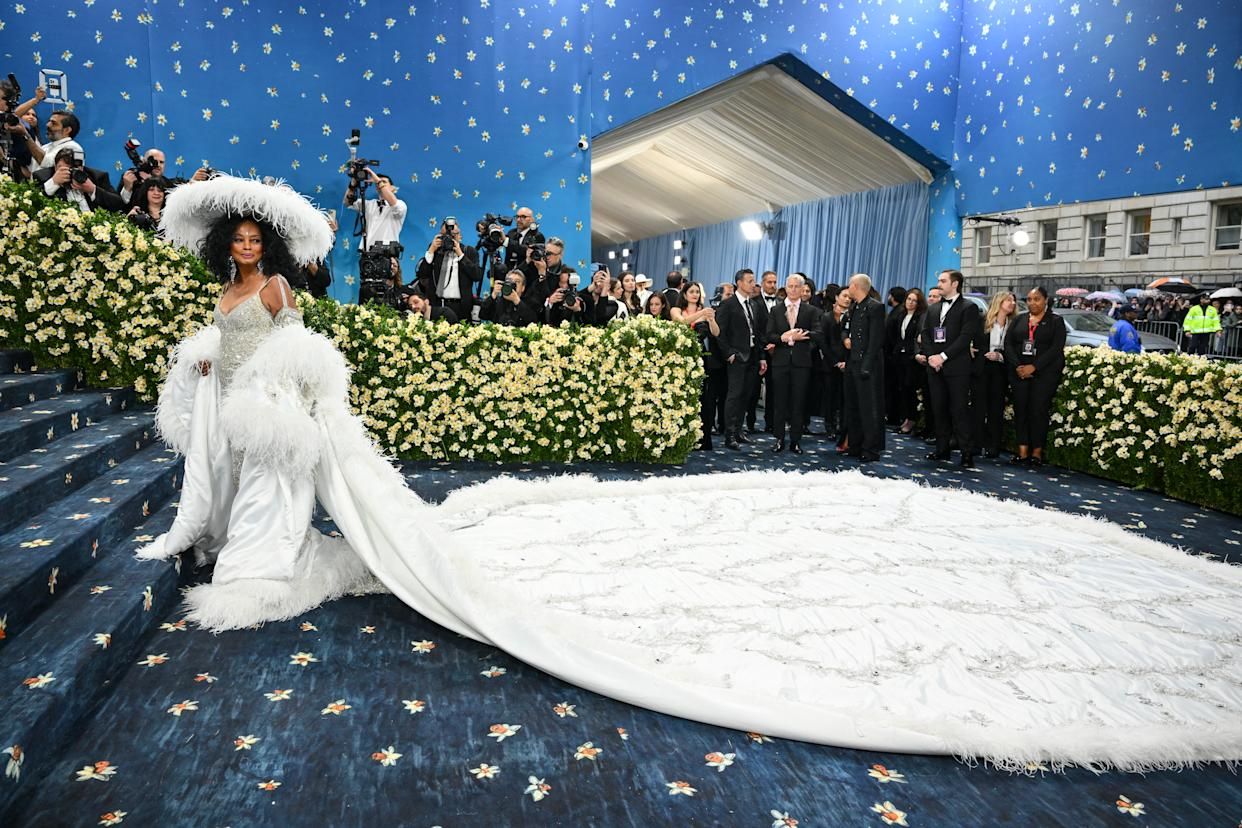
Let’s be blunt: not everyone gets invited to the Met Gala, and even fewer make headlines. The dress code serves as an informal filter—those who interpret it well rise to icon status, while those who treat it like another party fade into irrelevance. It's a subtle form of gatekeeping that enforces fashion literacy and rewards those who engage seriously with the art form. In other words, it separates the costume clowns from the couture storytellers.
Anna Wintour, Vogue’s editor-in-chief and the de facto ruler of the Met Gala, wields the dress code like a conductor’s baton. She isn’t just curating outfits—she’s shaping narratives, amplifying some voices while muting others. The dress code becomes a tool of control: if you don’t play the game, you’re simply not part of the show. And in a night that’s more about fashion diplomacy than fun, that’s the ultimate snub.
The Met Gala has seen some radical moments—Rihanna as the Pope, Billy Porter as a sun god, Alexandria Ocasio-Cortez’s “Tax the Rich” dress. But none of these would have landed without the thematic dress code providing context. It’s the difference between chaos and commentary. The dress code doesn’t kill rebellion; it frames it in high art. Fashion statements without a canvas are just noise—this gives them meaning, bite, and legacy.
The Met Gala isn’t just about what’s fashionable—it’s about what’s relevant. The dress code ensures that celebrities don’t just show up in pretty dresses—they show up in conversation with something larger than themselves. Whether the theme touches on queerness, colonialism, or futurism, the dress code ties the spectacle to the moment. It’s the invisible thread that keeps the night from unraveling into randomness.
Read this related article: Why Halle Berry's pubic area exposure at Met Gala raised eyebrows




0 comments