
Your Read is on the Way
Every Story Matters
Every Story Matters
The Hydropower Boom in Africa: A Green Energy Revolution Africa is tapping into its immense hydropower potential, ushering in an era of renewable energy. With monumental projects like Ethiopia’s Grand Ethiopian Renaissance Dam (GERD) and the Inga Dams in the Democratic Republic of Congo, the continent is gearing up to address its energy demands sustainably while driving economic growth.
Northern Kenya is a region rich in resources, cultural diversity, and strategic trade potential, yet it remains underutilized in the national development agenda.

Can AI Help cure HIV AIDS in 2025

Why Ruiru is Almost Dominating Thika in 2025

Mathare Exposed! Discover Mathare-Nairobi through an immersive ground and aerial Tour- HD

Bullet Bras Evolution || Where did Bullet Bras go to?
Birthdays are a common celebration around the world, often marked with parties, gifts, and gatherings to honor an individual’s birth anniversary. However, many Muslims choose not to celebrate birthdays, a practice deeply influenced by Islamic teachings and cultural beliefs. This article delves into the religious, cultural, and social reasons why birthday celebrations are generally avoided in many Muslim communities.
The primary reason many Muslims avoid celebrating birthdays lies in the religious doctrines of Islam. The Quran, the holy book of Islam, and the Hadith, which records the sayings and actions of the Prophet Muhammad, do not mention birthdays or endorse any celebrations related to them. For many Islamic scholars and believers, this absence means that celebrating birthdays is not part of authentic Islamic tradition.
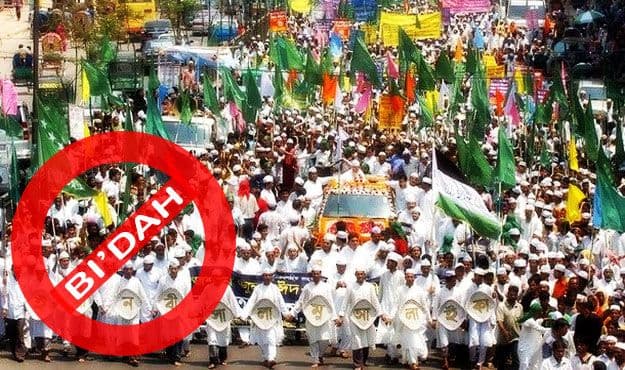
According to these scholars, practices not explicitly supported by Islamic texts fall under the category of bid’ah, or innovation, which is often viewed negatively in Islam. Bid’ah refers to introducing new rituals or celebrations that were not practiced by the Prophet Muhammad or his companions, and many Muslims are taught to avoid such innovations to preserve the purity of their faith.
The doctrine of bid’ah is central to understanding why many Muslims reject birthday celebrations. Islam places great importance on following the Sunnah, the way of the Prophet Muhammad. Since birthday celebrations did not exist during the Prophet’s time and were not mentioned as part of Islamic practice, many scholars consider them religious innovations.
Such innovations are believed to potentially lead believers away from the core tenets of Islam by focusing on worldly pleasures instead of spiritual growth. Some Muslims feel that birthday parties encourage extravagance, wastefulness, and vanity — all discouraged behaviors in Islam.
It is important to note that not all Muslims view birthday celebrations uniformly. In some Muslim-majority countries and multicultural societies, birthday parties have become more common, especially among younger generations influenced by global customs and secular lifestyles.
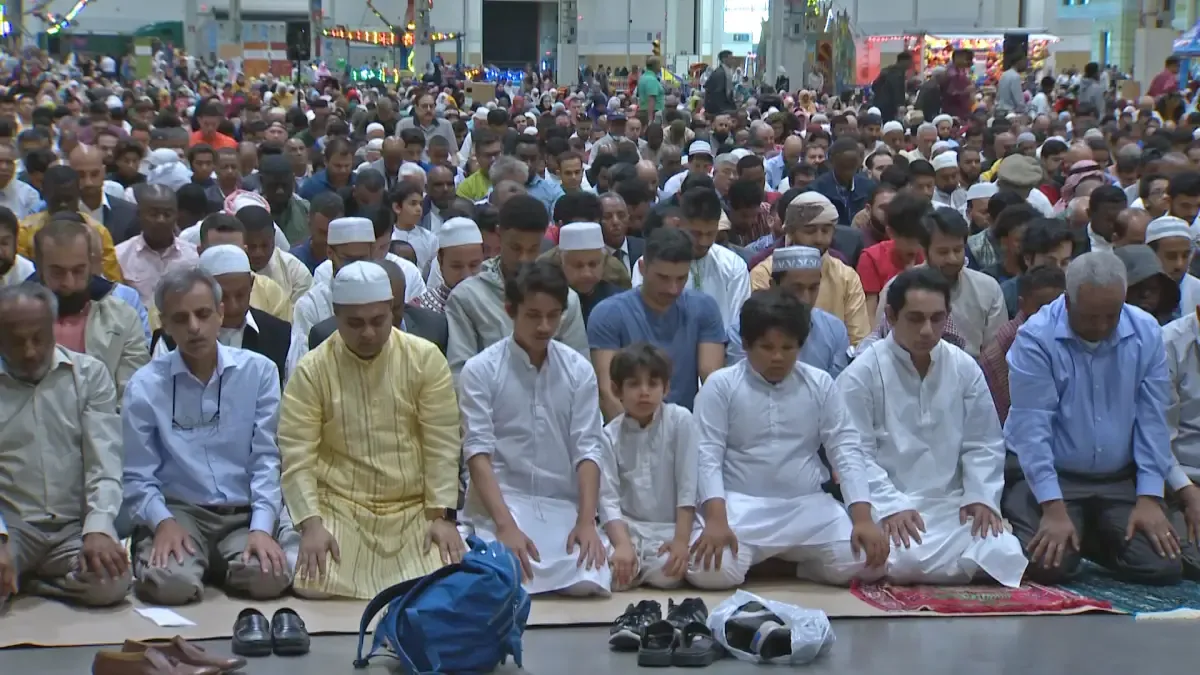
In these contexts, birthdays are often celebrated more as social or cultural occasions than religious ones. However, even in these cases, many families keep the celebrations modest and may avoid religious connotations, focusing instead on family bonding and gratitude.
Many Muslims prefer to emphasize spiritual milestones and acts of worship rather than commemorating the day of birth. Daily gratitude to Allah (God) for life, health, and sustenance is encouraged and practiced through prayers, fasting, and charitable giving.
The Islamic calendar is marked by significant religious observances such as Ramadan, Eid al-Fitr, and Eid al-Adha, which hold more spiritual importance than personal anniversaries like birthdays. Reflection, repentance, and worship take precedence, encouraging believers to focus on their relationship with God rather than personal celebrations.
There is sometimes a misconception that all Muslims strictly forbid birthday celebrations. In reality, interpretations and practices vary widely. Some Muslims might celebrate birthdays in a simple way, such as sharing a meal with family, without engaging in elaborate parties or rituals considered inappropriate.
Read this related article: How Indian Families Mark Birthdays with Prayers and Community Giving
Understanding this diversity within the Muslim community helps promote respect and tolerance for different cultural expressions and personal choices.
The avoidance of birthday celebrations among many Muslims is rooted in a combination of religious teachings, cultural values, and spiritual priorities. The concept of bid’ah, emphasis on following the Prophet’s example, and focus on gratitude and worship guide this perspective.
While practices vary, it is clear that for many Muslims, birthdays are seen as less important than religious and spiritual milestones. Recognizing these reasons fosters greater respect for Muslim traditions and promotes cross-cultural understanding.





0 comments