
Your Read is on the Way
Every Story Matters
Every Story Matters
The Hydropower Boom in Africa: A Green Energy Revolution Africa is tapping into its immense hydropower potential, ushering in an era of renewable energy. With monumental projects like Ethiopia’s Grand Ethiopian Renaissance Dam (GERD) and the Inga Dams in the Democratic Republic of Congo, the continent is gearing up to address its energy demands sustainably while driving economic growth.
Northern Kenya is a region rich in resources, cultural diversity, and strategic trade potential, yet it remains underutilized in the national development agenda.

Can AI Help cure HIV AIDS in 2025

Why Ruiru is Almost Dominating Thika in 2025

Mathare Exposed! Discover Mathare-Nairobi through an immersive ground and aerial Tour- HD

Bullet Bras Evolution || Where did Bullet Bras go to?
In India, birthdays are often regarded as sacred occasions, blending celebration with spirituality. Many birthday celebrants begin their special day by visiting a temple to offer prayers and seek blessings from their chosen deities. This act of devotion reflects the deep cultural and religious roots that shape Indian society.
Temples—whether dedicated to gods like Vishnu, Shiva, Ganesh, or local deities—serve as places of worship, reflection, and renewal. By starting their birthday with a temple visit, individuals express gratitude for their life and seek protection, health, and prosperity in the coming year.
Alongside religious observances, it is also common for birthday celebrants in India to perform acts of charity, especially by offering food to those in need. Feeding the poor or distributing sweets and meals in temples, community centers, or on the streets is considered a noble way to honor the day.
This practice reflects the value placed on "seva" (selfless service) and compassion within Indian culture. Giving to others on one’s birthday symbolizes sharing blessings and promoting goodwill, reinforcing social bonds and fostering a sense of community.
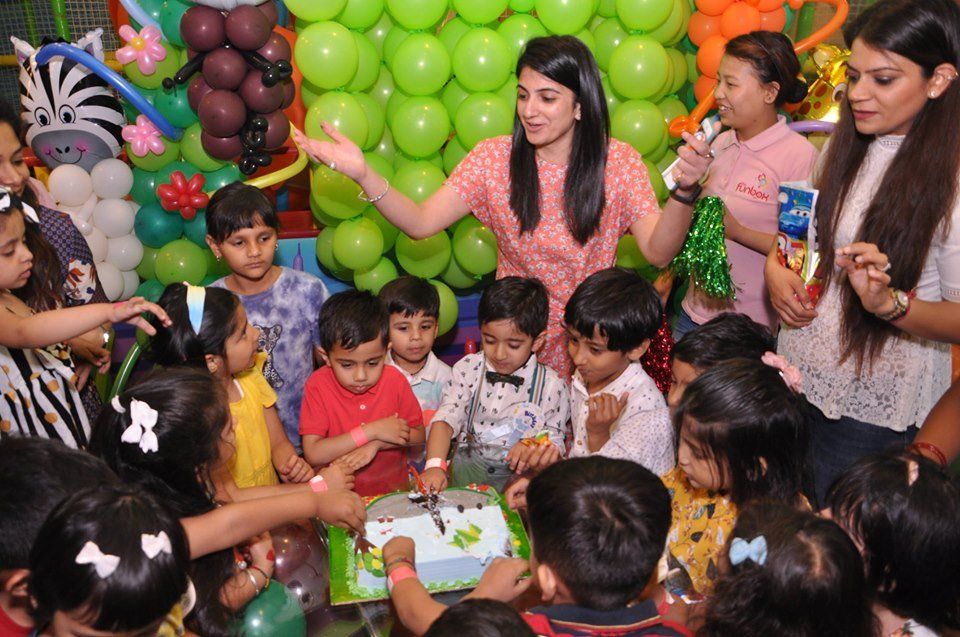
After spiritual rituals and charitable acts, birthdays in India typically involve vibrant family gatherings. Relatives and friends come together to celebrate with traditional foods, sweets like ladoos and barfis, and cultural music and dance.
The birthday cake, a more recent addition influenced by Western customs, is also commonly featured, alongside singing and gift-giving. Depending on the region and community, other customs may include applying "tilak" (a mark on the forehead), performing aarti (a devotional ritual with light), or exchanging blessings.
Read this related article: How South Korea Celebrates the First Birthday
India’s diverse cultural landscape means birthday customs can vary widely. In some South Indian communities, for example, birthdays are marked with rituals like "Punyahavachanam" (purification prayers) and special pujas (prayer ceremonies). In Bengali culture, birthdays might include offerings to goddess Lakshmi for wealth and prosperity.
Sikh families often incorporate prayers at the Gurdwara (Sikh temple) and community meals (Langar) as part of the celebration. These regional differences add rich layers of meaning and uniqueness to Indian birthday festivities.
Overall, birthdays in India are not just about personal celebration but also about reinforcing spiritual values and social responsibilities. By combining prayer, charity, and communal joy, these occasions foster gratitude, generosity, and connectedness. They serve as reminders of life’s blessings and the importance of sharing with others, ensuring that the day is meaningful not only for the individual but also for the wider community.






0 comments