
Your Read is on the Way
Every Story Matters
Every Story Matters
The Hydropower Boom in Africa: A Green Energy Revolution Africa is tapping into its immense hydropower potential, ushering in an era of renewable energy. With monumental projects like Ethiopia’s Grand Ethiopian Renaissance Dam (GERD) and the Inga Dams in the Democratic Republic of Congo, the continent is gearing up to address its energy demands sustainably while driving economic growth.
Northern Kenya is a region rich in resources, cultural diversity, and strategic trade potential, yet it remains underutilized in the national development agenda.

Can AI Help cure HIV AIDS in 2025

Why Ruiru is Almost Dominating Thika in 2025

Mathare Exposed! Discover Mathare-Nairobi through an immersive ground and aerial Tour- HD

Bullet Bras Evolution || Where did Bullet Bras go to?
For the Swahili people, pilau is more than just a plate of rice—it’s the heart of celebration, identity, and heritage. Spiced, aromatic, and richly flavored, it’s the meal that binds generations, brings families together, and defines key moments in life. Whether during Eid, weddings, funerals, or Friday gatherings, pilau always claims its place at the center of the table.
The Swahili, whose roots stretch along the East African coast—from Lamu to Zanzibar—have long valued culinary expression as part of their cultural DNA. Pilau, with its blend of rice, meat, and distinct coastal spices, is their ultimate statement of tradition.
What makes pilau unique is the mix of spices—cloves, cardamom, cinnamon, cumin, garlic, and ginger. These weren’t randomly chosen. They reflect centuries of interaction between African, Arab, Persian, and Indian cultures along the Swahili coast.
These influences gave birth to a dish that is rich, warm, and unmistakably coastal. Pilau became the Swahili answer to identity on a plate: a combination of imported flavors and local customs turned into something wholly their own.
Every major Swahili event—be it joyous or somber—includes pilau. It is the must-serve dish for:
-Weddings, where it’s offered to hundreds in large sufurias
-Funerals, as a communal meal that soothes grief
-Religious festivals, especially Eid and Maulid
-Birthdays and naming ceremonies, marking new life with a timeless meal
For each of these, pilau doesn’t just fill stomachs—it builds atmosphere. The smell of the rice cooking is as meaningful as the event itself. In many Swahili homes, the first whiff of pilau cooking signals something important is about to happen.
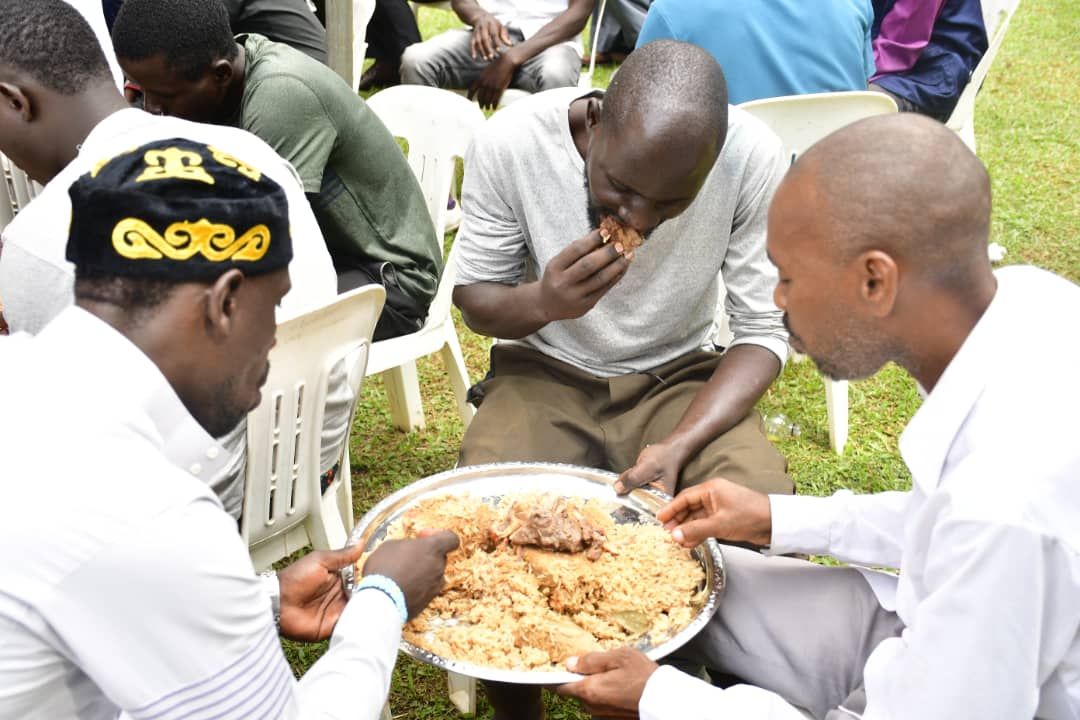
Pilau is a culinary test of pride. In many Swahili families, especially in Mombasa and Zanzibar, a person’s cooking skills are judged by their pilau. It’s not just about taste—it’s about balance. Too much spice and it's overwhelming; too little and it's bland. The perfect pilau requires precision, patience, and pride.
It’s also a gesture of honor. When guests arrive, serving pilau shows care and respect. To serve plain food instead of pilau would be seen as careless or dismissive. In this sense, the dish carries social weight far beyond the dining table.
Swahili communities abroad—from the U.S. to the U.K.—still hold on to pilau as the center of identity. At diaspora gatherings, the cooking starts early, the sufurias are extra large, and the spices travel in suitcases from the coast. Young Swahili children abroad grow up recognizing pilau as a holiday tradition, a cultural anchor, and a direct connection to their roots.
Restaurants in Nairobi, Dubai, and Minneapolis serve Swahili-style pilau as a staple. It’s more than popular—it’s cultural representation. No matter where Swahili people live, pilau remains their edible heritage.
While the traditional recipe remains dominant, modern variations have emerged—beef pilau, chicken pilau, and even vegetarian styles. What’s unchanged is the structure: slow-cooked rice, fragrant spices, and shared plates.
At festivals like the Lamu Cultural Festival or local Swahili gatherings in Dar es Salaam or Mombasa, pilau cooking competitions continue. These aren’t just culinary events—they’re declarations of identity, mastery, and cultural pride.






0 comments