
Your Read is on the Way
Every Story Matters
Every Story Matters
The Hydropower Boom in Africa: A Green Energy Revolution Africa is tapping into its immense hydropower potential, ushering in an era of renewable energy. With monumental projects like Ethiopia’s Grand Ethiopian Renaissance Dam (GERD) and the Inga Dams in the Democratic Republic of Congo, the continent is gearing up to address its energy demands sustainably while driving economic growth.
Northern Kenya is a region rich in resources, cultural diversity, and strategic trade potential, yet it remains underutilized in the national development agenda.

Can AI Help cure HIV AIDS in 2025

Why Ruiru is Almost Dominating Thika in 2025

Mathare Exposed! Discover Mathare-Nairobi through an immersive ground and aerial Tour- HD

Bullet Bras Evolution || Where did Bullet Bras go to?
When the College of Cardinals assembles to elect a new pope, it marks the beginning of a profound and highly ceremonial process that blends centuries of tradition with an extraordinary level of secrecy and procedure. The papal conclave, as it’s known, is not just about choosing a leader of the Roman Catholic Church; it is about selecting someone to carry the mantle of spiritual leadership for over a billion people around the world. It is a process that involves deep theological reflection, political maneuvering, and a strict set of rules designed to ensure that the final decision is made with the utmost seriousness and reverence.
The conclave begins when the papacy becomes vacant, whether through death or resignation. Cardinals from all over the world are summoned to the Vatican, where they will gather in the Sistine Chapel for what is often a multi-day event. The secrecy of the conclave is paramount; the cardinals take an oath to maintain confidentiality about the proceedings, ensuring that no details of the deliberations or voting can be revealed until the new pope is announced. This promise of silence is symbolized by the closing of the chapel doors, where no one outside is allowed to know what happens inside.
Once gathered, the cardinals begin their work of choosing a new pope through a series of votes. The process begins with a general congregation, during which the cardinals meet to discuss the needs of the Church and the qualities they seek in the next pope. While the cardinals may have already had informal discussions in the lead-up to the conclave, this session helps to formalize the mood and direction of the conclave. It also provides an opportunity for the cardinals to hear homilies or spiritual reflections that may guide their hearts and minds as they prepare for the election.
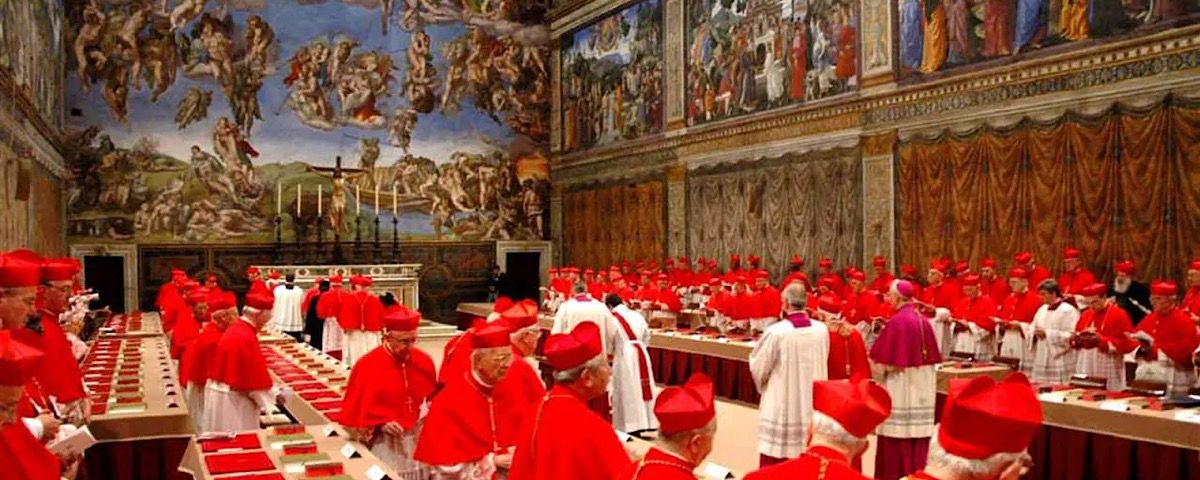
The actual voting process itself is marked by a ritualistic formality. In each voting session, the cardinals write the name of their chosen candidate on a ballot, which is then folded and placed in a chalice before being counted. To be elected pope, a candidate must secure a two-thirds majority of the votes. This ensures that the decision is made by a broad consensus and not by a simple majority, reflecting the seriousness and weight of the choice. If no one reaches the required threshold after the first round of voting, the cardinals continue to vote until a pope is elected. During these rounds, the tension builds, as each vote brings the cardinals closer to a decision, yet the process could take days, sometimes even longer.
In between voting rounds, the cardinals retire to their cells to reflect, pray, and discuss among themselves. The secrecy is so absolute that they are not allowed to communicate with anyone outside of the conclave, including family members and fellow clergy. This isolation serves as a time for deep spiritual contemplation, allowing the cardinals to focus solely on the responsibility they bear in selecting the new pope.
The voting process is deliberately slow and methodical to prevent rash decisions. If no one receives the necessary votes, the cardinals can engage in a series of deliberations or even a process of elimination, removing candidates from consideration. Each vote is a moment of intense scrutiny, as the cardinals reflect on the needs of the Church, the state of the world, and the spiritual qualities that would best serve the papacy.
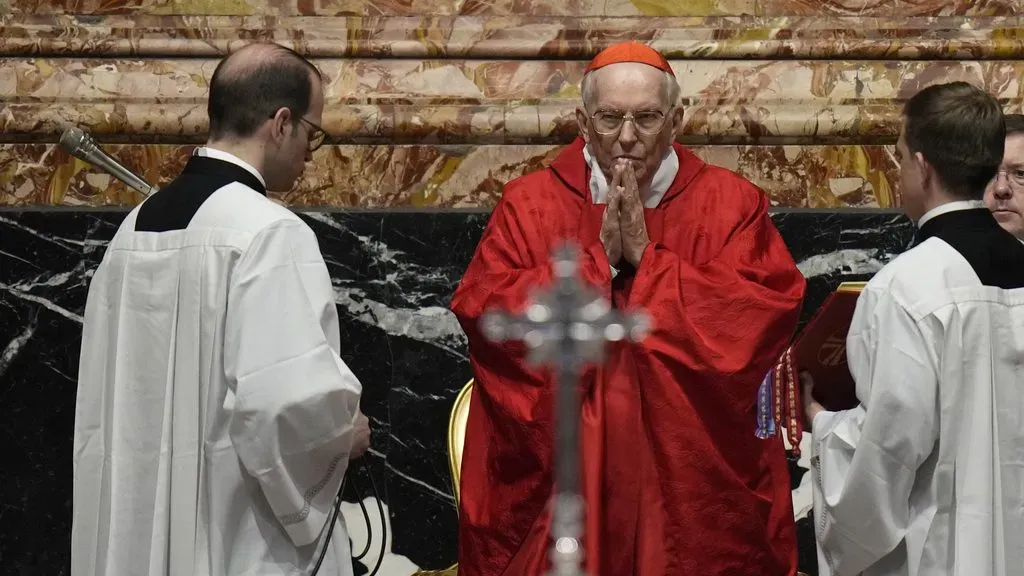
The ballot counting process, too, is meticulous. Once the votes are collected, they are counted in front of all the cardinals to ensure transparency and fairness. The results are announced publicly, and if no candidate reaches the required two-thirds majority, the process starts anew. When a pope is finally elected, the ballots are burned in a special stove, and the famous "white smoke" signals to the world that a new pontiff has been chosen. This moment is one of the most anticipated in the Catholic Church, as millions around the world await the announcement of the new pope.
This laborious process is not without its symbolism. The secrecy, the careful deliberations, and the final vote all serve to underline the weight of the decision. The selection of a pope is not a matter to be rushed or taken lightly. It is a spiritual, political, and personal decision that impacts the future of the Catholic Church and its followers worldwide. The conclave remains one of the most sacred and mysterious processes within the Vatican, steeped in tradition, reverence, and the collective wisdom of the cardinals entrusted with such a monumental responsibility.






0 comments