
Your Read is on the Way
Every Story Matters
Every Story Matters
The Hydropower Boom in Africa: A Green Energy Revolution Africa is tapping into its immense hydropower potential, ushering in an era of renewable energy. With monumental projects like Ethiopia’s Grand Ethiopian Renaissance Dam (GERD) and the Inga Dams in the Democratic Republic of Congo, the continent is gearing up to address its energy demands sustainably while driving economic growth.
Northern Kenya is a region rich in resources, cultural diversity, and strategic trade potential, yet it remains underutilized in the national development agenda.

Can AI Help cure HIV AIDS in 2025

Why Ruiru is Almost Dominating Thika in 2025

Mathare Exposed! Discover Mathare-Nairobi through an immersive ground and aerial Tour- HD

Bullet Bras Evolution || Where did Bullet Bras go to?
Kikuyu traditional foods are not simply nourishment—they are deep-rooted symbols of culture, memory, and communal identity. Passed from generation to generation, these dishes connect the Kikuyu people to their agrarian past, their family values, and their rituals of hospitality.
Every grain, root, and preparation method carries meaning. From ceremonial gatherings to day-to-day meals, food in Kikuyu culture plays a pivotal role in storytelling, reconciliation, and celebration.
The first one is githeri, a simple yet symbolic mixture of boiled maize and beans. This dish is considered foundational—not just as a nutritious meal, but as a metaphor for community harmony and sharing.
Another essential dish is irio, a mashed blend of boiled potatoes, peas, corn, and occasionally pumpkin leaves. Irio reflects the Kikuyu connection to the land, honoring the crops their ancestors cultivated for centuries. Often served with meat or sukuma wiki (collard greens), it is a staple for both everyday meals and traditional ceremonies.
Also revered is mukimo, a spiced-up cousin of irio, which often includes green pumpkin leaves or spinach to add color and flavor. It’s a favorite during weddings, initiations, and major festivals—served with roasted goat (nyama choma) or chicken.
Food is central to Kikuyu rituals—especially rites of passage. During ruracio (traditional marriage negotiations), the type and presentation of food signifies respect, gratitude, and status. Certain dishes, such as boiled yams or sweet potatoes, are specifically served to elders as a sign of reverence.
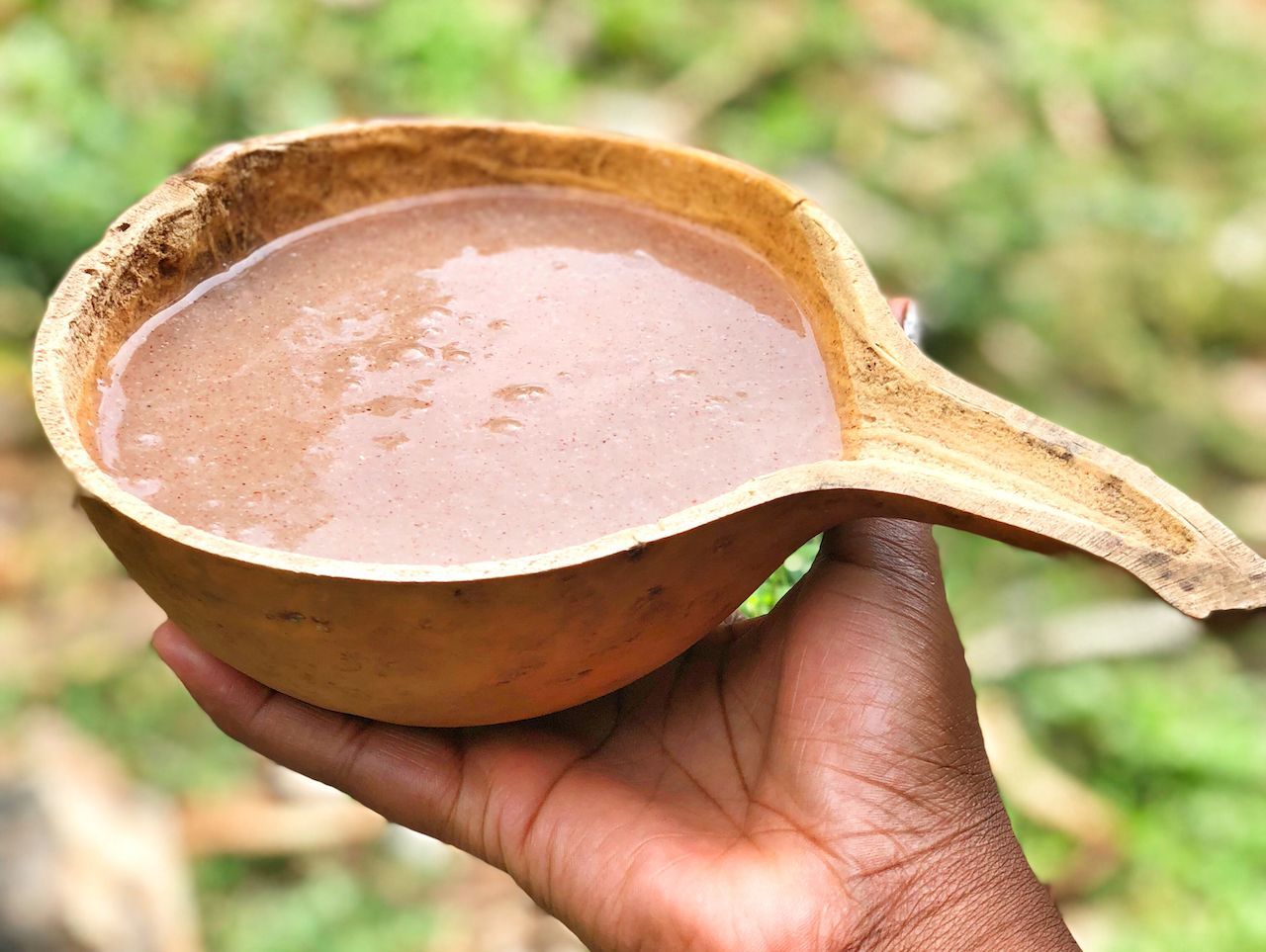
Ucuru (fermented millet or sorghum porridge) often accompanies libation rituals or is served during mourning periods, illustrating the spiritual bond between the living and the ancestral.
Even the method of serving matters. Elders are always served first, women and children later. These practices reinforce communal order and deep-rooted respect within Kikuyu families.
At events like the Ngemi Cia Ruraya Festival abroad, food becomes a literal and symbolic homecoming. Githeri simmers in large sufurias, mukimo is served on banana leaves, and roasted goat becomes the centerpiece around which generations gather.
For the Kikuyu diaspora, preparing these dishes in cities like Seattle, London, or Toronto isn’t just about taste—it’s about memory, belonging, and resilience. Young people born abroad are taught the recipes not just to cook, but to carry forward a legacy.
Workshops during such festivals often include cooking demonstrations, explanations of food origins, and tastings that allow even non-Kenyans to engage with Kikuyu culture on an intimate level.
Today, Kikuyu food traditions face modern threats—urbanization, Western fast-food culture, and changing lifestyles. But many cultural advocates are fighting back by documenting recipes, promoting home gardens, and ensuring young people know the stories behind what they eat.
Restaurants in Nairobi and beyond are reintroducing Kikuyu dishes into their menus with a modern twist, giving new life to old staples without losing authenticity.
What remains constant, however, is this truth: food is the Kikuyu soul’s language. When githeri is shared, when mukimo is mashed, when yams are split among elders—culture is not only remembered, it is lived.






0 comments