
Your Read is on the Way
Every Story Matters
Every Story Matters
The Hydropower Boom in Africa: A Green Energy Revolution Africa is tapping into its immense hydropower potential, ushering in an era of renewable energy. With monumental projects like Ethiopia’s Grand Ethiopian Renaissance Dam (GERD) and the Inga Dams in the Democratic Republic of Congo, the continent is gearing up to address its energy demands sustainably while driving economic growth.
Northern Kenya is a region rich in resources, cultural diversity, and strategic trade potential, yet it remains underutilized in the national development agenda.
Can AI Help cure HIV AIDS in 2025

Why Ruiru is Almost Dominating Thika in 2025

Mathare Exposed! Discover Mathare-Nairobi through an immersive ground and aerial Tour- HD

Bullet Bras Evolution || Where did Bullet Bras go to?
When the doors of the Sistine Chapel swing shut, they don’t just seal off the outside world—they seal in a centuries-old spectacle of mystery, pressure, and spiritual warfare. The conclave isn’t just about electing the next Pope. It’s a test of endurance, discretion, and divine discernment. But in a digital age where even secrets have an expiration date, how do over a hundred cardinals survive an ordeal so shrouded in silence?
Welcome to the hidden world of the conclave, where Wi-Fi is banned, contact is cut, and every decision could change the trajectory of the global Catholic Church.
The term conclave comes from the Latin cum clave meaning “with a key,” and that’s no metaphor. Cardinals are physically locked in. Once inside, they are cut off from phones, newspapers, and even fellow clergy. Technicians scour the chapel for electronic bugs. Signal jammers ensure no external communication. No aides, no advisors, just the cardinals and their conscience.
But this isolation isn’t just about secrecy; it’s about spiritual purity. The absence of influence allows each cardinal to focus inward, discerning what the Church and God truly need in a leader.
Their daily rhythm is stripped to the essentials: prayer, meals, and votes. Cardinals sleep at the Domus Sanctae Marthae, a modest Vatican guesthouse just steps from the Sistine Chapel. The accommodations are simple, more dormitory than palace.
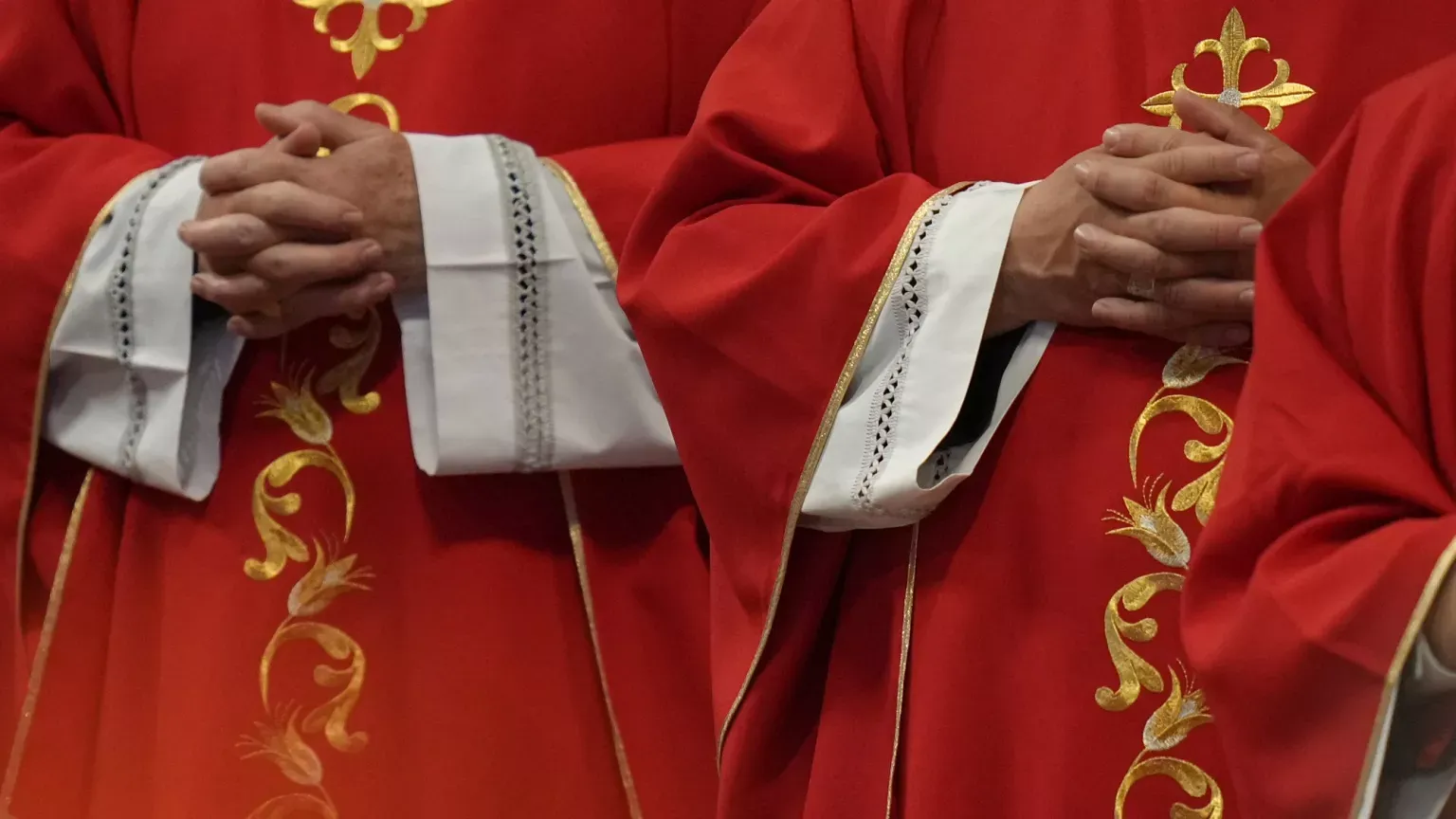
Food is served on-site under strict supervision. Conversations during meals are polite but guarded. Every participant knows the sacred weight of the process. Whisper campaigns or strategic alliances are strongly discouraged, though unspoken alignments inevitably form.
There’s no schedule for how long the conclave might last. Some popes are elected within a day, others after weeks. So the cardinals wait, reflect, and vote. Twice in the morning, twice in the afternoon. Black smoke signals a failed vote; white smoke means the Church has a new shepherd.
For many cardinals, the conclave is a psychological marathon. Elder members, some in their 80s, endure not only the pressure of decision-making but the sheer fatigue of lengthy deliberations. The chapel, while beautiful, offers no comfort—just the weighty stares of Michelangelo’s “Last Judgment” watching over each vote.
Sleep is light. Tension is heavy. And through it all, the uncertainty of who among them might be chosen lingers. Being elected pope isn't a promotion—it’s a sacrifice. And that shadow looms over every candidate as ballots are cast in silence.
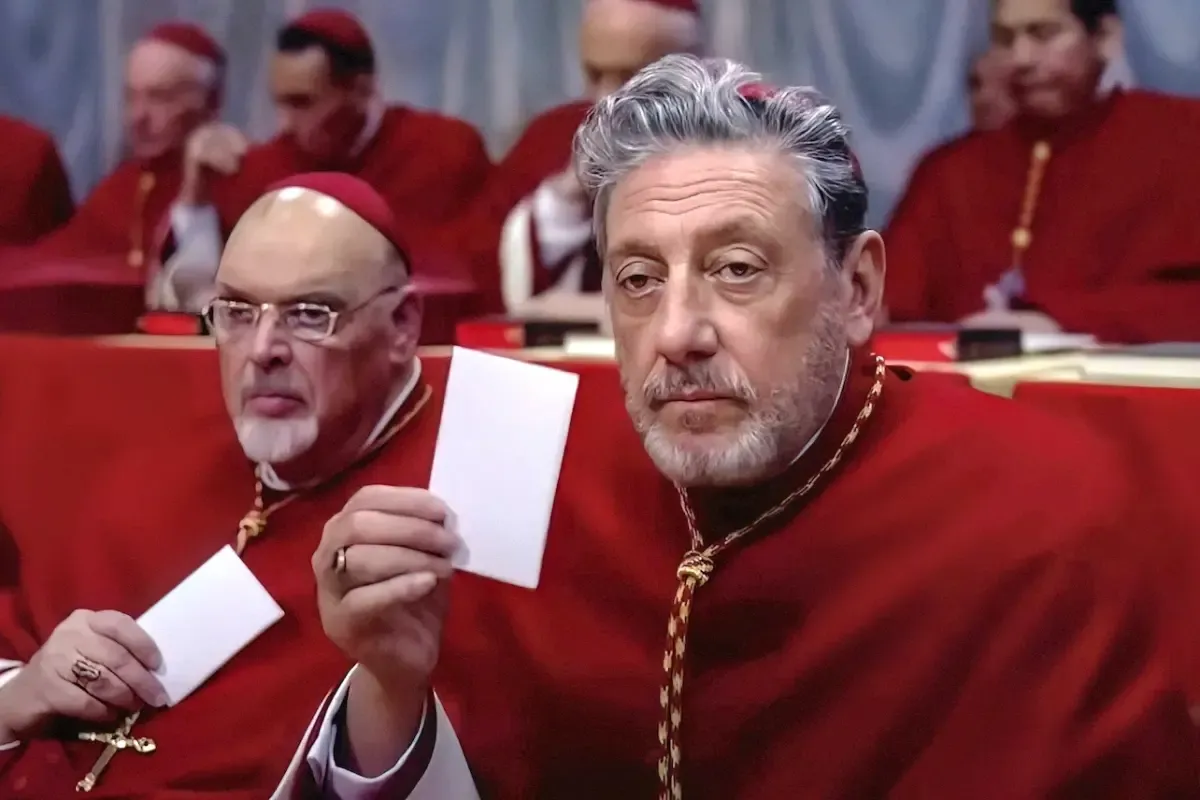
Each cardinal swears an oath of secrecy before entering. Breaching that oath is a grave offense, spiritually and canonically. In recent conclaves, cardinals have faced disciplinary threats for leaking even the faintest whispers of what occurred behind closed doors.
Modern technology presents new threats to this silence. But the Vatican, wise to the risks, employs rigorous countermeasures: faraday cages, signal blockers, and even old-school brute force—total isolation. No smartphones, no smartwatches, and certainly no tweeting cardinals.
In an era of live-streamed transparency, why preserve the conclave’s secrecy? Because it preserves something else: sanctity. The conclave is a spiritual act, not a political one—at least, ideally. Removing external influence helps maintain that line.
The conclave’s silence is what gives the final announcement “Habemus Papam” its thunder. The world waits in suspense while over a hundred men endure an ascetic crucible. In silence, they emerge not just with a name, but with a future for 1.3 billion Catholics.






1 comment
edc001
10mo ago
Beautiful!!