
Your Read is on the Way
Every Story Matters
Every Story Matters
The Hydropower Boom in Africa: A Green Energy Revolution Africa is tapping into its immense hydropower potential, ushering in an era of renewable energy. With monumental projects like Ethiopia’s Grand Ethiopian Renaissance Dam (GERD) and the Inga Dams in the Democratic Republic of Congo, the continent is gearing up to address its energy demands sustainably while driving economic growth.
Northern Kenya is a region rich in resources, cultural diversity, and strategic trade potential, yet it remains underutilized in the national development agenda.
Can AI Help cure HIV AIDS in 2025

Why Ruiru is Almost Dominating Thika in 2025
Mathare Exposed! Discover Mathare-Nairobi through an immersive ground and aerial Tour- HD

Bullet Bras Evolution || Where did Bullet Bras go to?
On a crisp Roman morning, Pope Leo XIV stepped onto the loggia of St. Peter’s Basilica—not just to greet the world, but to follow in the heavy footsteps of a global icon. Pope Francis, who had redefined papal simplicity, environmental theology, and Church outreach, left behind not just a chair, but a movement. Now, the world turned to his successor: a cardinal once known for theological clarity and diplomatic poise, now rechristened as Leo XIV.
The Mass of Inauguration, held days after his election by the College of Cardinals, was more than formality. It was a rite of passage—a symbolic, visual, and spiritual coronation for a man expected to either carry or correct the Franciscan legacy.
As pilgrims, politicians, and priests gathered, the atmosphere was quietly charged. Francis had stripped down the papacy—eschewing the papal tiara, riding in a modest Fiat, and living in a guesthouse. Leo XIV didn’t undo that humility—but he reintroduced measured solemnity.
Golden vestments returned. The papal altar, seldom used by Francis, was fully dressed. Choirs performed ancient motets alongside a stirring new hymn composed specifically for the event. The symbolism was clear: Leo XIV wasn't reversing Francis—he was reframing him in tradition.
In front of the world, the Senior Cardinal Deacon draped the pallium—a lamb’s wool band—across Leo’s shoulders. It recalled the shepherd’s burden, and Christ’s call to serve. But for Leo XIV, it was also a gesture of connection to the early Church and his predecessor’s emphasis on mercy.
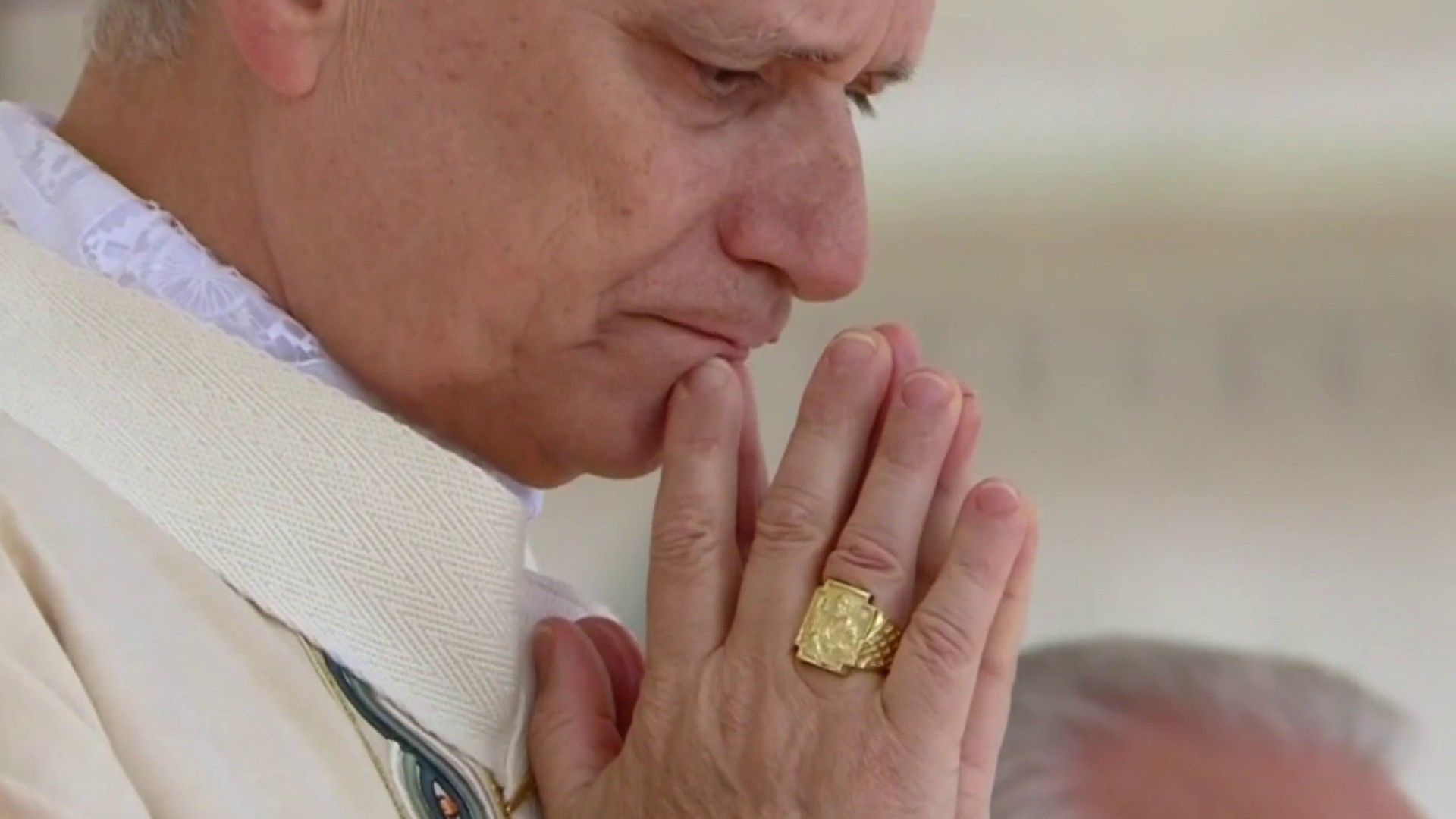
Forged in gold, etched with St. Peter casting his net, the Fisherman’s Ring was slid onto Leo’s finger. More ornate than Francis’s version, but still understated, it hinted at a papacy aiming to reassert leadership while remaining accessible.
He was then led to the Cathedra—the Chair of Peter—by Eastern Patriarchs and Latin bishops alike. The moment was broadcast to over two billion viewers. One gesture captured global attention: Leo paused to bow before the empty chair first, as if to honor the tradition that now included Francis.
The Mass, celebrated in Latin and translated across the globe, was a liturgical masterpiece. Chants and organ mingled with modern polyphony. The Gospel was read in Arabic, Mandarin, Spanish, and Swahili—a reflection of Leo’s commitment to global Catholicism.
But the heart of the day was his first homily as pope.
“We inherit a Church that has walked in mercy. Now we must walk also in clarity. The storm outside the barque of Peter is real. And still—we do not sink.”
With those words, Leo XIV charted a third way: embracing the heart of Francis, but signaling a firmer, more structured theological backbone.
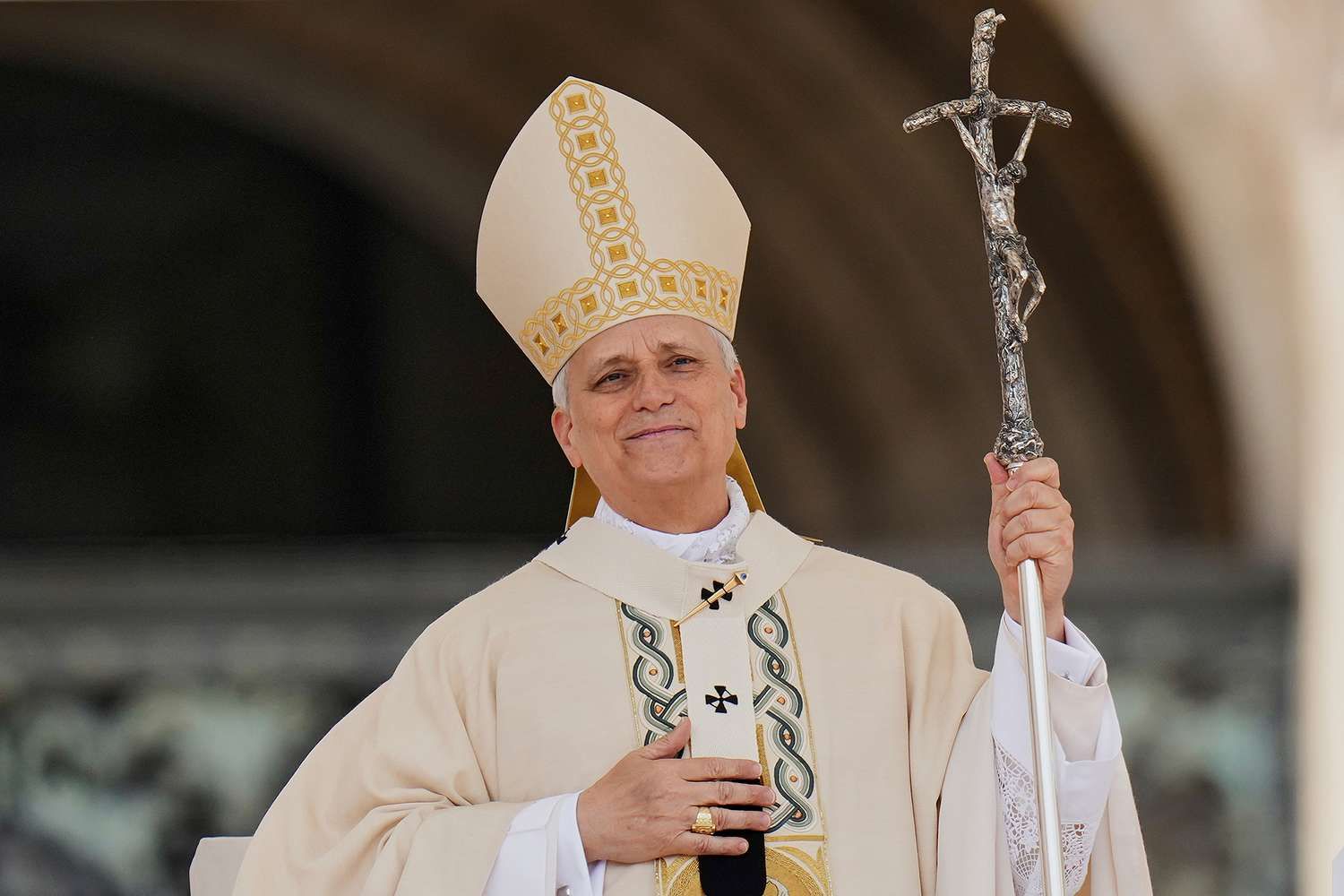
Francis had won the world’s affection. Now it watched to see if Leo would win its respect. U.S. diplomats, Russian Orthodox prelates, African cardinals, and Indigenous spiritual leaders filled the front rows. His first blessing as pope wasn’t just a prayer—it was a coded global signal: the Church is not retreating. It’s reasserting.
Leo XIV did not wear the tiara. He did not return to full papal regalia. But his slightly elevated ceremony, use of formal Latin, and theological tone were a sharp contrast to the barefoot fisherman style of his predecessor. Where Francis looked outward, Leo seems poised to look inward—at doctrine, identity, and discipline.
Yet he quoted Francis in his final blessing:
“Let the Church be a field hospital, yes—but let it also be a lighthouse, anchored, unshakable.”
The inauguration of Pope Leo XIV marks a turning point—not a rupture, but a reset. From the shadow of a wildly popular, sometimes controversial predecessor, emerges a man who knows both the risks and necessity of reform grounded in tradition.
As the bells rang across Vatican City, one could sense the mood: hope, reverence, curiosity—and a quiet tension. The barque of Peter has a new helmsman. And he’s not here to drift.






0 comments