
Your Read is on the Way
Every Story Matters
Every Story Matters
The Hydropower Boom in Africa: A Green Energy Revolution Africa is tapping into its immense hydropower potential, ushering in an era of renewable energy. With monumental projects like Ethiopia’s Grand Ethiopian Renaissance Dam (GERD) and the Inga Dams in the Democratic Republic of Congo, the continent is gearing up to address its energy demands sustainably while driving economic growth.
Northern Kenya is a region rich in resources, cultural diversity, and strategic trade potential, yet it remains underutilized in the national development agenda.

Can AI Help cure HIV AIDS in 2025

Why Ruiru is Almost Dominating Thika in 2025

Mathare Exposed! Discover Mathare-Nairobi through an immersive ground and aerial Tour- HD

Bullet Bras Evolution || Where did Bullet Bras go to?
The Freemasons trace their beginnings to the shadowy guilds of medieval stonemasons — those craftsmen who built the grand cathedrals, castles, and bridges that still define much of Europe’s architectural heritage. These operative masons organized into lodges to protect trade secrets, regulate quality, and support their members.
By the late 16th and early 17th centuries, the nature of these lodges began to change. “Speculative” Masonry emerged, where members no longer needed to be actual stoneworkers but instead used stonemasonry tools and language as metaphors for moral and philosophical teachings. The tools symbolized virtues like honesty (square), fairness (level), and uprightness (plumb).
The formal establishment of the first Grand Lodge in London in 1717 marked the birth of modern Freemasonry. This organization helped standardize rituals, regulate lodges, and spread the movement worldwide. Freemasonry quickly gained popularity across Europe and the Americas, appealing to intellectuals, politicians, military leaders, and businessmen drawn to its blend of fraternity, self-improvement, and secrecy.
Freemasonry isn’t a religion, though it encourages spiritual reflection and belief in a “Supreme Being,” often called the “Great Architect of the Universe.” This belief is intentionally broad and inclusive, allowing members of different faiths to unite under shared values rather than dogma.
At its heart, Freemasonry promotes ethical living, personal development, and brotherly love. It urges members to pursue truth, charity, and justice, using the symbolic tools of masonry to guide their moral compass. For example:
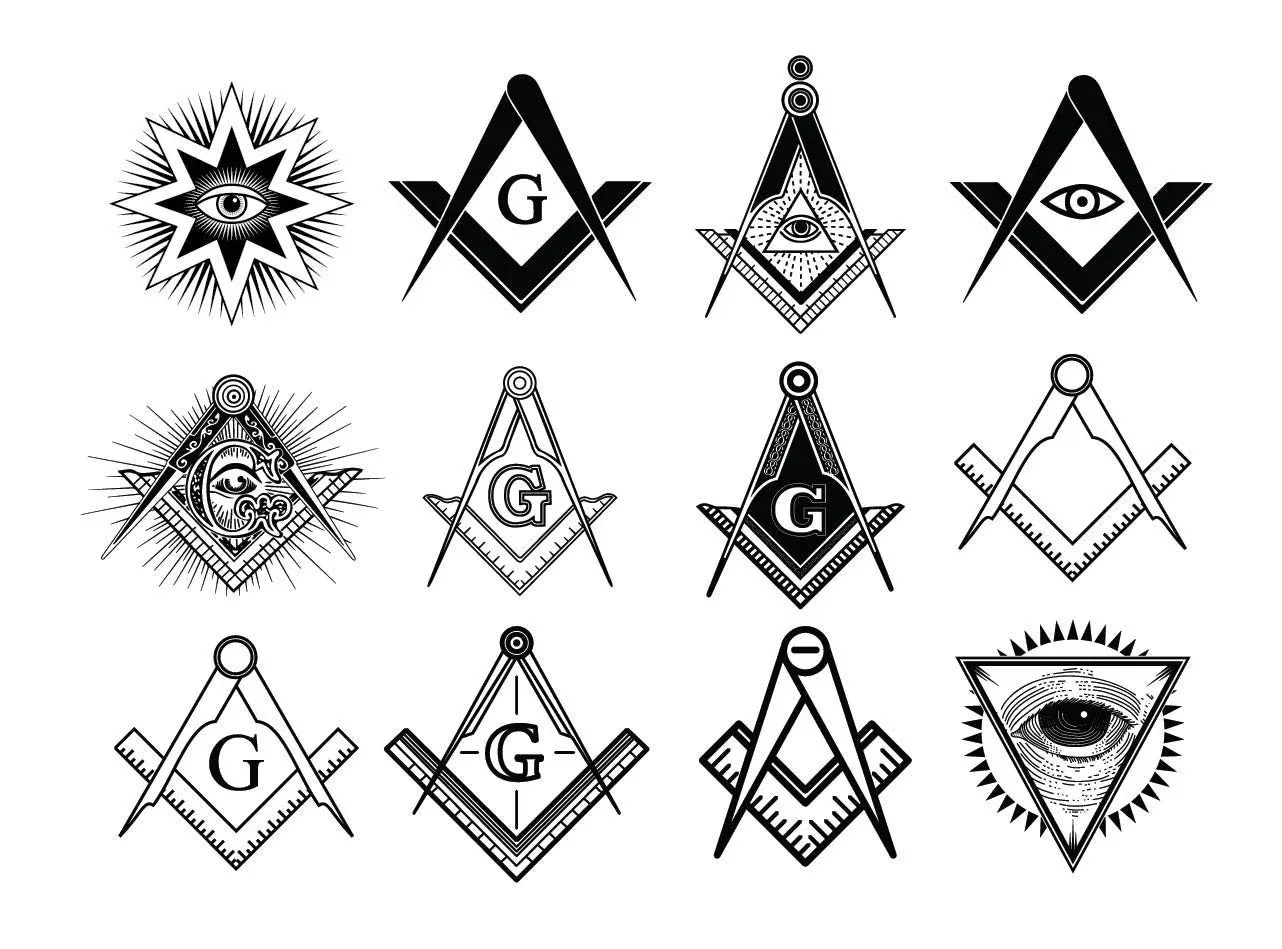
The Square represents fairness and integrity.
The Compass encourages self-restraint and balance.
The Plumb symbolizes uprightness and moral rectitude.
These symbols are woven into rituals designed to provoke introspection, ethical decision-making, and a deeper understanding of the world.
One of the most captivating—and misunderstood—aspects of Freemasonry is its ritualistic nature. Entry into the society is through a formal initiation, which many outsiders describe as mysterious or even mystical. These ceremonies are rich in symbolism, allegory, and theatrical performance.
Members advance through three primary degrees:
1.Entered Apprentice – The introductory stage where initiates learn the basics of Masonic philosophy and symbolism.
2.Fellow Craft – A deeper exploration of knowledge and personal growth.
3.Master Mason – The highest degree in most lodges, where members receive the full teachings and responsibilities of Freemasonry.
Beyond these, many Freemasons join additional “appendant” bodies like the Scottish Rite or York Rite, which offer further degrees and rituals steeped in mythology and allegory.
The secret handshakes, passwords, signs, and coded language are designed to ensure privacy and foster a sense of trust among members. This secrecy also fuels public intrigue and speculation.
Freemasonry has always walked a fine line between public benevolence and private mystery. Because many of history’s prominent figures—from George Washington and Benjamin Franklin to Winston Churchill and Mozart—were Freemasons, people have long suspected that the society wields hidden influence.
It’s true that membership provides powerful networking opportunities and a framework of mutual support. Freemasons have often found themselves in leadership roles in politics, business, and the arts. However, there is no concrete evidence that the Freemasons operate as a shadow government or global puppet masters.
Instead, the society has largely focused on charitable works, education, and community service. Masonic charities fund hospitals, scholarships, disaster relief, and youth programs worldwide. The organization promotes values that encourage civic responsibility and personal growth rather than political conspiracy.
The secrecy and exclusivity surrounding Freemasonry have inevitably spawned conspiracy theories. Critics have accused the society of everything from plotting world domination to practicing occult rituals. These claims often draw on misunderstandings of Masonic symbols and rituals, or on the involvement of some members in political events.

Religious groups, particularly certain Christian denominations, have sometimes condemned Freemasonry, accusing it of conflicting with their doctrines or promoting a secretive, elitist agenda. This opposition has led to bans and suspicion, especially in countries where authoritarian regimes feared secret societies.
Among the most famous conspiracy claims are those linking the Freemasons to the Illuminati, a separate historical secret society aiming to promote Enlightenment ideals but disbanded in the late 18th century. While there was some overlap in membership and ideas, the Freemasons are distinct and have outlasted many such groups.
Today, Freemasonry is a global organization with millions of members across nearly every country. While it maintains traditional rituals and degrees, it has also modernized to remain relevant. Many lodges now emphasize openness, community service, and cultural engagement.
Despite a decline in membership in some regions, Freemasonry continues to attract people interested in history, philosophy, and social connection. Its charitable efforts remain significant, supporting causes ranging from medical research to disaster recovery.
Importantly, the society strives to be inclusive, welcoming men from diverse backgrounds, beliefs, and professions who share its core values. Some lodges now admit women and LGBTQ+ members, reflecting evolving social attitudes.
The Freemasons embody a unique blend of mystery, tradition, and community. Their rituals remind members to seek personal enlightenment and ethical behavior, while their exclusivity invites curiosity and suspicion from outsiders.
They exist at the intersection of history and myth—part fraternity, part secret society, part philanthropic organization. Whether viewed as noble guardians of ancient wisdom or as a shadowy cabal, the Freemasons continue to provoke fascination, debate, and respect.






0 comments