
Your Read is on the Way
Every Story Matters
Every Story Matters
The Hydropower Boom in Africa: A Green Energy Revolution Africa is tapping into its immense hydropower potential, ushering in an era of renewable energy. With monumental projects like Ethiopia’s Grand Ethiopian Renaissance Dam (GERD) and the Inga Dams in the Democratic Republic of Congo, the continent is gearing up to address its energy demands sustainably while driving economic growth.
Northern Kenya is a region rich in resources, cultural diversity, and strategic trade potential, yet it remains underutilized in the national development agenda.

Can AI Help cure HIV AIDS in 2025

Why Ruiru is Almost Dominating Thika in 2025

Mathare Exposed! Discover Mathare-Nairobi through an immersive ground and aerial Tour- HD

Bullet Bras Evolution || Where did Bullet Bras go to?
The term “Mormon wives” often sparks curiosity, confusion, and even controversy, particularly because of its association with polygamy. To understand what this means today, it's essential to look at the historical foundation of Mormonism, its evolution, and how the concept of marriage has transformed within the faith.
The early history of the Church of Jesus Christ of Latter-day Saints (commonly referred to as the LDS Church or Mormon Church) includes the practice of plural marriage, introduced by founder Joseph Smith in the 1840s. This doctrine allowed certain men to marry multiple women and was viewed as a divine commandment by early adherents. The purpose, they believed, was to build a righteous lineage and strengthen the spiritual community.
During that era, Mormon wives lived in communal settings, sometimes with shared responsibilities across households. Many did not marry for romantic love but out of duty, faith, or family alliances. Women who accepted this role often balanced obedience to religious teachings with the challenges of emotional, financial, and social burdens.
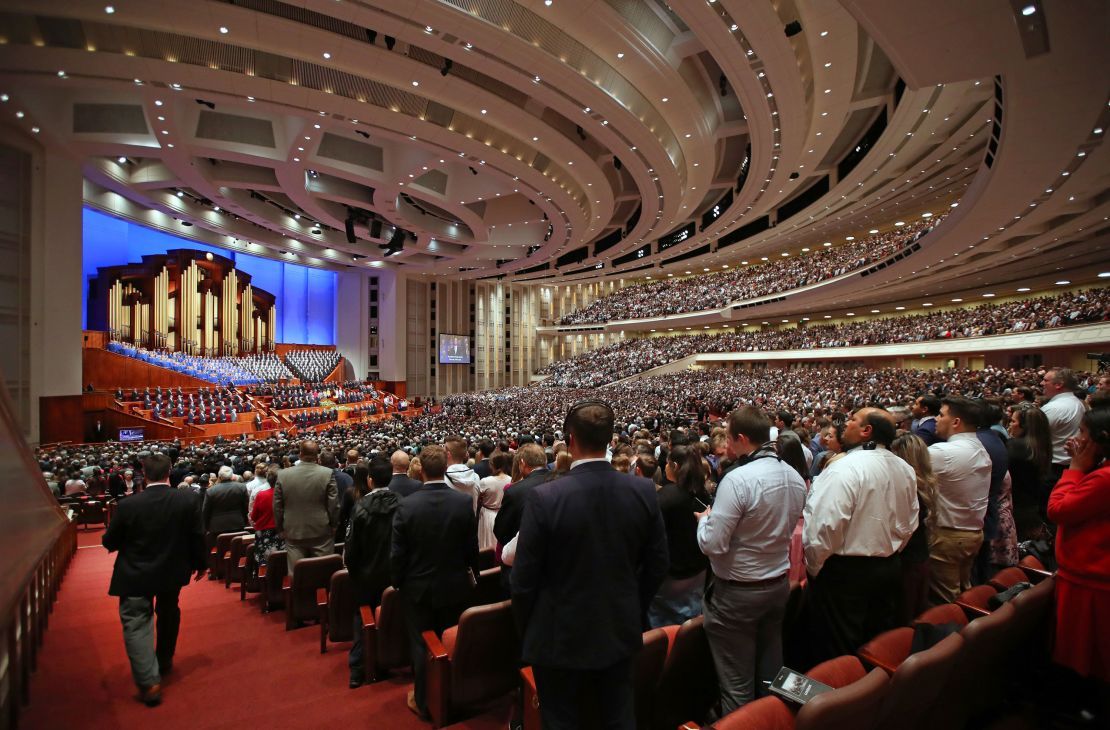
Today, the mainstream LDS Church has completely renounced polygamy. In fact, since 1890, the Church has publicly rejected plural marriage and now excommunicates members who attempt to practice it. Modern Mormon wives within the LDS Church are typically in monogamous marriages, grounded in the values of eternal union and spiritual partnership.
In contemporary Mormon culture, wives often play influential roles as homemakers, educators, and leaders within the church’s women’s organizations. Marriage is seen as a sacred covenant that extends beyond death — with the belief that couples sealed in the temple are bound for eternity. Mormon wives are expected to uphold moral values, support their husbands in priesthood callings, and raise their children with devotion to faith and family.
Not all groups that identify with Mormonism follow the same rules. Fundamentalist Mormon groups, which broke away from the LDS Church, still practice polygamy today. These communities, such as the FLDS (Fundamentalist Church of Jesus Christ of Latter-Day Saints), continue to live in patriarchal structures where one man may have several wives.
In these contexts, Mormon wives may face restrictions on education, personal freedom, and independence. While some women in these communities say they choose this lifestyle voluntarily, critics argue that it is shaped by pressure, indoctrination, and limited options. Cases of underage marriages and coercion have fueled public concern and legal scrutiny over the years.

Among mainstream Mormon wives, there’s a growing shift toward balance and empowerment. Many Mormon women today pursue higher education, run businesses, and hold professional careers while still fulfilling religious roles. Some challenge traditional gender expectations within the church, advocating for greater representation and spiritual equality.
Nevertheless, cultural norms persist. Mormon wives are still widely expected to be nurturing, modest, and family-focused, with an emphasis on motherhood as a divine calling. The ideal image often promoted in the community is that of a loving, loyal wife who works in harmony with her husband to build a faith-centered home.
Being a Mormon wife in today’s world means navigating a complex web of tradition, doctrine, and modern realities. For some, it is a deeply fulfilling spiritual path rooted in eternal love and divine purpose. For others, especially those in fundamentalist sects, it may come with the weight of social control and limited autonomy.
Ultimately, there is no single story. The role of Mormon wives continues to evolve — shaped by personal belief, community culture, and the broader push for women’s rights both inside and outside of the faith.






0 comments